
Pests
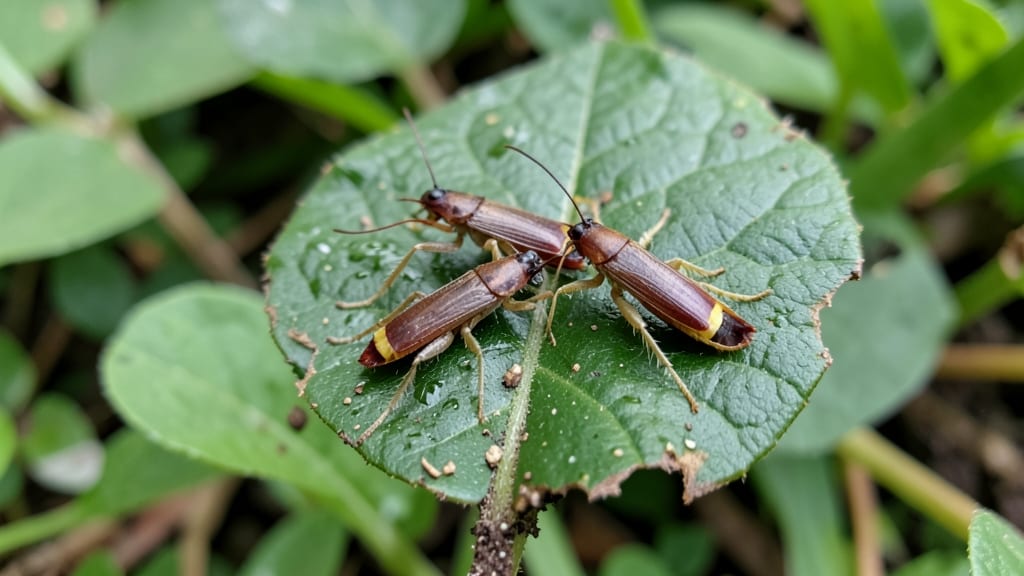
This earwig infestation in my garden left my basil as a skeleton of leaves overnight—nocturnal pests that curl when disturbed but devour plants, flowers, and fruits effortlessly, all without needing harsh chemicals. The key is understanding their behavior and using simple, targeted traps that actually work.
Most people assume earwigs are drawn to dampness alone, but they’re actually lured by shelter, moisture, and the scent of decaying plant matter. I’ve found that rolled-up newspaper traps or shallow dishes of beer (yes, really) work better than store-bought sprays because they exploit their natural instincts.
The best part? These methods protect beneficial insects while keeping earwigs out of your garden for good.
You’ll see results within a week if you place traps near problem areas—especially under mulch or along garden edges. The earwigs will move into the traps, leaving your plants alone.
Plus, you’ll avoid the chemical residue that can harm pollinators and soil health. This approach is safe, effective, and won’t break the bank.
Works for vegetable gardens, flower beds, and even houseplants—just adjust trap placement based on where you’ve spotted damage. Let’s get those pests under control the natural way.
What Lures Earwigs Into Gardens
Earwig infestations in your garden aren’t random—they’re the result of specific conditions that make your outdoor space an all-you-can-eat buffet for these nocturnal pests. Understanding the why behind their presence is the first step to outsmarting them. Let’s break down the key factors that turn your garden into earwig paradise.
Earwigs thrive in damp environments because they need moisture to survive. Their exoskeletons are highly permeable, meaning they can’t retain water like other insects. Without humidity, they dry out and die. Here’s why your garden becomes their oasis:
- Overwatered soil: Earwigs love soil with a high moisture content, often hiding in the top 2–3 inches where it’s most humid. If you’re watering deeply or frequently, you’re creating the perfect underground hotel. Pro tip: 🌡️ Check soil moisture with your finger—if it’s damp 2 inches down, you may be overdoing it.
- Poor drainage: Low-lying areas, dense mulch piles, or compacted soil trap water, signaling earwigs that this is a prime real estate spot. They’ll congregate in these soggy zones, especially after rain.
- Decorative water features: Fountains, birdbaths, or even damp rocks near planters create microclimates that earwigs can’t resist. They’ll gather around these spots to drink and lay eggs.
💡 Actionable fix: Improve drainage by amending soil with compost or sand, and avoid watering late in the day to allow surfaces to dry.
Earwigs are masters of camouflage and love hiding in tight, dark spaces where they feel protected. If your garden offers these cozy nooks, they’ll move in faster than you can say “pincer attack.” Look for these common hiding spots:
- Thick mulch or leaf litter: A layer of mulch is great for plants, but it’s also a five-star earwig resort. They burrow into decaying organic matter, using it as insulation and a food source.
- Gaps in bark or wood: If you’ve used bark mulch, logs, or wooden garden structures, earwigs will squeeze into the cracks. They’re surprisingly flexible and can slip into spaces as small as 1/8 inch. li>Under pots or flat rocks: These provide instant shelter from predators and the sun. Earwigs will drag debris underneath to create a hidden nest.
💡 Actionable fix: Reduce mulch depth to 2–3 inches, keep wood chips and bark loose (not compacted), and store pots upside down when not in use.
Earwigs are omnivorous opportunists, and if your garden is a smorgasbord, they’ll stick around. They feast on:
| Plant Matter | Other Pests |
|---|---|
| Young leaves, flowers, and fruits | Slugs, aphids, and even other earwigs (they’re cannibalistic!) |
| Decaying vegetation and compost piles | Small insects trapped in sticky substances (like honeydew) |
If your garden has soft, tender plants (like lettuce, roses, or strawberries) or compost heaps that aren’t properly managed, earwigs will see it as an all-night diner. Even fertilizer granules can attract them—they’re drawn to the organic material and moisture they bring.
💡 Actionable fix: Remove fallen fruit, weeds, and overripe produce promptly. Use dry mulches like straw or gravel near high-value plants to deter them.
Earwigs are nocturnal and prefer temperatures between 60–80°F (15–27°C). If your garden meets these conditions, they’ll linger. Here’s how your landscape might be inviting them:
- Shady or densely planted areas: They avoid direct sunlight, so thick foliage or structures like sheds and decks create ideal hiding spots during the day.
- Nighttime lighting: Outdoor lights attract insects that earwigs prey on, indirectly luring them in. They’ll also gather near lights to hunt.
- Greenhouse or cold frames: These structures trap heat and moisture, making them earwig hotspots. If you’ve had issues inside, check for damp corners or condensation.
💡 Actionable fix: Use yellow or red bug lights (which attract fewer pests) and avoid overplanting dense shrubs near garden beds.
By addressing these four root causes—moisture, shelter, food, and warmth—you’ll make your garden far less appealing to earwigs. The good news? Once you disrupt their comfort zone, they’ll move on to easier targets. Stay tuned for natural traps that actively repel them without chemicals!
How to solve it
Discovering earwigs in your garden can feel like an unwanted houseguest that just won’t leave—but don’t worry! These pests are manageable with the right, chemical-free strategies. Below, we’ll map out practical solutions tailored to the root causes of your earwig problem, from hiding spots to moisture-loving habits.
Plus, we’ll share simple prevention tips to keep them from crashing your garden party again.
Earwigs thrive in damp, sheltered areas—think mulch piles, under rocks, or dense foliage. If your garden is their cozy retreat, they’ll stick around. Here’s how to dry them out:
- 🔥 Rake and aerate: Fluff up mulch and remove thick layers (keep it 2–3 inches deep). Earwigs hate dry conditions—this disrupts their favorite hideouts.
- 🍳 Switch to gravel or bark: Replace moisture-retaining mulch with coarse gravel, pine straw, or bark chips. These materials drain faster and discourage earwigs.
- 👨🍳 Redirect water: Fix leaky hoses, improve drainage in flower beds, and avoid overwatering. Earwigs need humidity—take it away, and they’ll move on.
💡 Pro Tip: After rain, shake plants gently to dislodge earwigs clinging to leaves. A quick spray of water from a hose can also flush them out.
Earwigs are curious and attracted to light, dampness, and food scraps. Turn these habits into traps:
| Trap Type | How to Set It Up |
|---|---|
| 🥘 Beer or wine trap | Fill a shallow dish with beer or red wine. Earwigs are drawn to the yeast and drown. Place traps near problem areas (like under pots or mulch) and check daily. |
| 🔪 Roll-up newspaper traps | Moisten newspaper and roll it into a tube. Secure with a rubber band. Earwigs will crawl inside—collect and dispose of them in the morning. |
| ⏰ Light traps (at night) | Place a white sheet under a bright outdoor light. Earwigs are phototactic—they’ll gather on the sheet. Shake them into soapy water to eliminate them. |
✨ Bonus: Add a drop of dish soap to traps to break the surface tension, ensuring earwigs drown faster.
Earwigs love dark, cluttered spaces. A little decluttering goes a long way:
- 🌡️ Clear debris: Pick up leaves, sticks, and garden waste. Store firewood and compost bins away from plants.
- 🎯 Seal entry points: Check for gaps in garden structures (like trellises or greenhouses) and fill them with caulk or fine mesh.
- 🌿 Prune dense plants: Thin out overgrown shrubs and vines to improve airflow and reduce hiding spots.
💡 Pro Tip: Earwigs love cardboard and paper. Store garden supplies (like seed packets) in sealed plastic bins to avoid inviting them indoors.
Once you’ve kicked earwigs out, keep them from returning with these long-term strategies:
- 📊 Rotate crops: If you grow vegetables, rotate plant families yearly to disrupt earwig life cycles.
- 💪 Use beneficial predators: Attract earwig-eating insects like ground beetles or birds by adding a small water feature or native plants.
- 🍎 Plant earwig-repelling herbs: Basil, mint, and tansy emit scents earwigs dislike. Plant them near vulnerable areas.
- 🌡️ Mulch smartly: Use dry mulch like straw or cedar chips, and avoid piling it against house foundations.
With these steps, your garden will become a less appealing (and much drier) spot for earwigs. Stay consistent, and you’ll enjoy a pest-free outdoor space—naturally!
Frequently asked questions
Why do I see earwigs in my garden at night but not during the day?
Earwigs are nocturnal creatures that avoid sunlight and dry conditions. They hide in damp, dark spots during the day—like under mulch, rocks, or dense foliage—and emerge after sunset to feed. Their nocturnal habits make them harder to spot until they start damaging plants overnight.
Are earwigs harmful to my plants or just annoying?
While they won’t kill mature plants, earwigs can cause significant damage to young leaves, flowers, and fruits. They chew irregular holes in foliage and may also feed on seedlings. Their presence can also attract other pests like slugs, which further stress your garden.
Will beer traps really work for earwig control?
Yes! Earwigs are attracted to fermented liquids like beer or wine because they contain yeast and sugars. Fill shallow dishes with beer, place them near problem areas, and check daily. The earwigs will drown—just add a drop of dish soap to break surface tension for faster results.
Can I use diatomaceous earth for earwigs?
Food-grade diatomaceous earth can help, but it works best on dry surfaces. Sprinkle it lightly around plants (avoid overwatered areas) and reapply after rain. It dehydrates earwigs by damaging their exoskeletons, but it’s not as effective in damp conditions where they thrive.
How do I keep earwigs from moving indoors?
Seal cracks in foundations, windows, and doors with caulk or weather stripping. Store cardboard, paper, and firewood away from your home, as these attract earwigs. Keep basements and crawl spaces dry and well-ventilated to discourage them from taking up residence inside.