
Vegetables
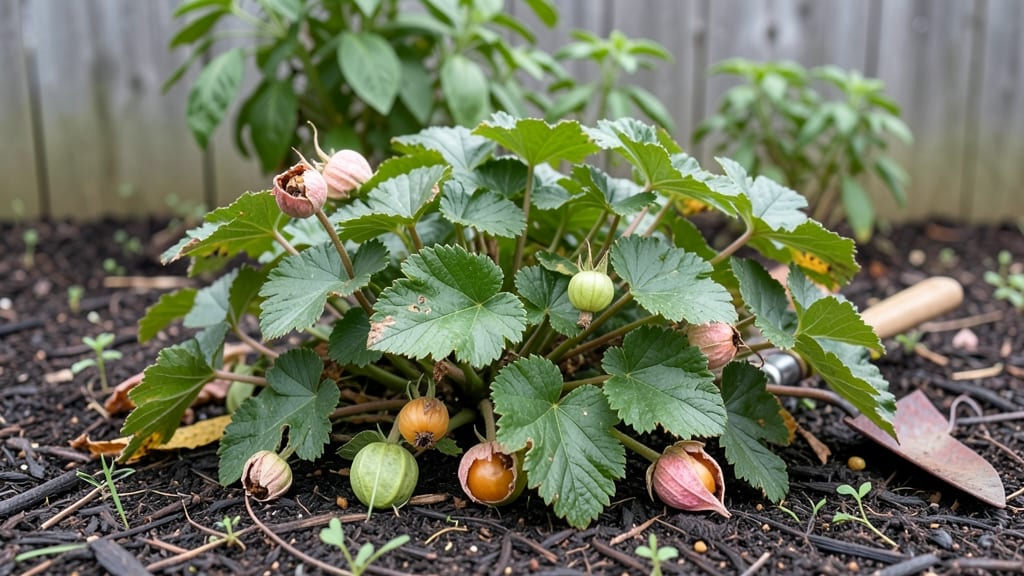
This year’s garden adventure takes you around the world in 80 gardens, from Japan’s Zen rock pairings to your own backyard—because the most breathtaking plant combos don’t need a passport. 🌿 unexpected ways.
I’ve collected the best from 80 gardens across continents, where drought-resistant lavender meets Mediterranean herbs, or frost-hardy hydrangeas pair with New England perennials.
The magic isn’t in exotic plants—it’s in the layering. A Japanese maple’s delicate foliage contrasts perfectly with bold succulents from South Africa, while a Moroccan courtyard’s citrus trees thrive alongside California natives. Each pairing balances sunlight, water needs, and seasonal interest, so you get year-round drama without the guesswork.
Think of it as gardening with a passport: you’re borrowing the best ideas from around the world, but growing them at home.
By the end, you’ll have a customized plant menu that blooms in every season—spring’s cherry blossom vibes, summer’s tropical bursts, autumn’s fiery foliage, and winter’s evergreen structure. The best part? These combinations work in containers, raised beds, or full yards, whether you’re in a desert, rainforest, or suburban strip.
No two gardens will look alike, but they’ll all feel like a little piece of the world.
Here’s how to adapt these global pairings to your space: start with one standout plant (like a Japanese anemone or a Mexican sage) and build around it. The rest is just matching textures, heights, and colors—like a gardening travel journal, one plot at a time.
📚 In This Guide
- What you need
- Instructions
- Tips and common mistakes
- Wrapping up and next steps
What you need
- ● Seeds or Seedlings: 80+ varieties of vegetables, herbs, and flowers (e.g., Heirloom Tomatoes, Basil, Marigolds, Kale, Chard, Chives, and Zinnias). Aim for a mix of annuals and perennials to ensure year-round interest.
- ● Garden Soil: 10+ bags of high-quality, well-draining potting mix or native soil (amend with compost for optimal growth).
- ● Containers or Garden Beds: Mix of raised beds, pots (5-10 gallon sizes), and window boxes to accommodate different plant needs.
- ● Fertilizer: Organic options like compost, worm castings, or balanced NPK (10-10-10) for nutrient-rich soil.
- ● Watering Supplies: Hose with adjustable nozzle
- ● Watering can (for delicate plants)
- ○ Drip irrigation kit (optional but recommended for efficiency)
- ● Tools: Trowel (for transplanting)
- ● Pruners (for trimming)
- ● Garden gloves (to protect your hands)
- ● Measuring tape (for spacing plants correctly)
- ● Mulch: Straw, wood chips, or shredded leaves to retain moisture and suppress weeds.
- ● Plant Labels: Waterproof tags or stakes to track your global varieties.
- ● Shade Cloth: For tender plants in hot climates (e.g., Lettuce, Spinach).
- ● Trellises or Cages: To support climbing plants like Pole Beans, Cucumbers, or Morning Glories.
- ● Seasonal Extenders: Cold frames or row covers for early spring/late fall
- ● Greenhouse or hoop tunnels for winter gardening
- ● Decorative Elements: Solar-powered lights, garden art, or wind chimes to enhance the global theme!
Step-by-step instructions for designing your global garden journey
Transform your outdoor space into a vibrant tapestry of international charm with these bold, climate-conscious plant combinations.
🌿 Step 1: Select Your Climate Zones and Plant Pairings
Start by mapping your garden’s microclimates—sunniest spots for Mediterranean pairings like lavender and rosemary, partial shade for Japanese maples with ferns, and cooler corners for New Zealand flax with alpine strawberries. I always sketch a rough layout first, labeling each zone with its sun exposure and soil type. This ensures you’re matching plants with their ideal growing conditions globally.
For year-round beauty, focus on three key pairings: spring bloomers (Japanese cherry blossoms with hellebores), summer thrillers (southern magnolias with cannas), and autumn/winter interest (smoke trees with winter jasmine). Each pairing should include at least one evergreen to maintain structure when others fade.
🌱 Step 2: Source Plants with Global Flair
Visit local nurseries specializing in exotic plants or order from reputable international suppliers for authentic varieties. I recommend starting with four distinct regions—Mediterranean, Asian, North American native, and South African—to create visual contrast. For example, pair Agapanthus (South Africa) with Russian sage (North America) for a striking height and color contrast.
When selecting, prioritize plants with similar water needs to simplify maintenance. Group drought-tolerant Mediterranean herbs with succulents, and moisture-loving ferns with hostas. Always check hardiness zones—some tropical plants (like Bird of Paradise) thrive in Zone 10 but will freeze in Zone 7 without winter protection.
☀️ Step 3: Design for Seasonal Layering
Create depth by layering plants in three tiers: tall vertical accents (like bamboo or trellised climbing roses), mid-height shrubs (hydrangeas or abelia), and ground covers (creeping thyme or ajuga). I like to use ornamental grasses as the backbone—they provide year-round texture and pair beautifully with flowering perennials.
For each season, assign a "star" plant that will dominate visually. In spring, it might be wisteria>; in summer, black-eyed Susans; in autumn, Japanese maples; and in winter, camellias. Place these focal points where they’ll be seen from key vantage points in your garden.
💧 Step 4: Implement Global Watering Strategies
Adapt irrigation techniques to each plant’s native climate. Mediterranean plants (like olive trees) need deep, infrequent watering to encourage strong roots, while tropical plants (like ginger) require consistent moisture. Install a drip irrigation system with separate zones for different water needs—this prevents overwatering drought-tolerant plants.
Mulch heavily with 3-4 inches of organic mulch> (like bark or straw) to retain moisture and regulate soil temperature. In hot climates, use light-colored mulch> to reflect sunlight; in cooler areas, opt for dark mulch> to absorb heat. Check soil moisture weekly by sticking your finger 2 inches deep>—if it feels dry, water deeply until moisture reaches 6 inches down.
✂️ Step 5: Maintain with Seasonal Global Care
Prune plants according to their native growing cycles. Mediterranean plants (like bougainvillea) need aggressive pruning after flowering to encourage new growth, while Japanese maples should only be pruned to remove dead wood. I schedule pruning sessions every 4-6 weeks> during the growing season to keep plants healthy and shaped.
Fertilize with region-specific amendments: compost> for North American natives, bone meal> for phosphorus-loving Mediterranean plants, and fish emulsion> for nitrogen-hungry tropical varieties. Always follow package instructions—over-fertilizing can harm delicate exotic plants.
Tips & tricks for perfect global garden design
Creating a globally inspired garden that thrives year-round takes strategic planning—and these insider tricks will elevate your design from ordinary to extraordinary.
Climate Zone Mastery: Don't just guess at microclimates—use a simple thermometer to measure temperature variations in different garden spots throughout the day. I've found that even a 10-foot difference can create a separate Mediterranean versus temperate zone. This precision ensures you're placing lavender in its ideal sun-drenched spot while protecting alpine strawberries from overheating.
Seasonal Star Plant Strategy: When selecting your "star" plants for each season (like wisteria for spring or camellias for winter), choose varieties that have overlapping bloom times with your supporting plants. For example, pair Japanese cherry blossoms with hellebores that bloom early spring—this creates continuous visual interest without gaps. The secret is to stagger your seasonal focal points by about 2-3 weeks.
Watering System Hack: Install your drip irrigation zones before planting—it's a game-changer for maintaining those global watering strategies. I recommend using pressure-compensating emitters so all plants receive equal moisture regardless of elevation changes. For Mediterranean plants, set your emitters to deliver 1 gallon per square foot every 10-14 days, while tropical plants need daily watering during hot months.
Pruning Calendar: Create a color-coded pruning schedule that matches each plant's native growing cycle. Mediterranean plants (like bougainvillea) get a red marker for aggressive post-flowering pruning, while Japanese maples get yellow for minimal deadwood removal. I keep this schedule visible in my gardening shed—it's saved me from making costly pruning mistakes that take years to recover from.
Pro Tips for Around The World In 80 Gardens
- Creating a globally inspired garden that thrives year-round takes strategic planning—and these insider tricks will elevate your design from ordinary to extraordinary.
- Climate Zone Mastery: Don't just guess at microclimates—use a simple thermometer to measure temperature variations in different garden spots throughout the day.
- Seasonal Star Plant Strategy: When selecting your "star" plants for each season (like wisteria for spring or camellias for winter), choose varieties that have overlapping bloom times with your supporting plants.
Frequently asked questions
Got questions about transforming your garden into a global botanical adventure? Here are some of the most common ones—and their answers!
Can I adapt this concept for a small garden or balcony?
The "Around the World in 80 Gardens" approach is all about scaling. Swap sprawling Mediterranean herb beds for a windowsill of rosemary and thyme, or grow dwarf citrus trees in containers. Focus on one region per season—like a Japanese maple in a pot or a fragrant lavender bush—and rotate them as space allows. Miniature varieties of global plants (like 'Tom Thumb' peppers or 'Fairy Tale' eggplants) are perfect for tight spaces!
How long does it take to see results?
Patience is key, but don’t wait years! Most edible plants (like basil, lettuce, or chives) show visible growth in 2–4 weeks. Perennials (e.g., artichokes, asparagus, or rhubarb) take 1–2 years to establish, but their rewards last decades. Fastest wins? Grow cut-and-come-again herbs (cilantro, dill) or microgreens for instant gratification. Plan your layout so early bloomers (like snapdragons for Mediterranean vibes) frame slower growers.
What if my climate isn’t ideal for a specific region’s plants?
No hardship—adapt or substitute! Use season extenders like cold frames, row covers, or greenhouses to mimic Mediterranean warmth in cooler zones. For tropical plants (e.g., yuca or okra), grow them as annuals and harvest before frost. Swaps work too: Replace pineapple sage (tropical) with Salvia officinalis (hardy sage) for a similar aromatic punch. Check your USDA Hardiness Zone and pair plants with similar needs.
Is this approach more expensive than a traditional garden?
Not necessarily! Start with seeds (especially heirlooms or regional varieties) to save money, and swap plants with fellow gardeners. Prioritize a few "anchor" plants per region (e.g., a single olive tree for Mediterranean) and fill gaps with affordable annuals. Pro tip: Many global vegetables (like beans, squash, or tomatoes) are self-seeding—once established, they’ll return year after year!
How do I troubleshoot failing plants from other regions?
Start with the basics: sunlight, water, and soil are universal needs! If a plant wilts or yellows, check if it’s getting too much/too little of each. Region-specific issues? Mediterranean plants (like rosemary) hate soggy soil—amend with gritty sand. Tropical plants (like sweet potatoes) may need consistent humidity; use mulch or a pebble tray. Pest problems? Introduce native predators (e.g., ladybugs for aphids) before reaching for chemicals. Keep a garden journal to track what works!
Wrapping up and next steps
From the fragrant jasmine of Morocco to the vibrant tulips of the Netherlands, this global garden tour proves that beauty—and harmony—know no borders. 🌍✨ Whether you’re a seasoned green thumb or a curious beginner, these plant pairings offer endless inspiration for creating your own lush, year-round sanctuary.
Ready to start your own around-the-world garden adventure?
🌱 Your Next Step: Start Small, Dream Big
Pick one plant pairing from this journey and test it in your space—whether it’s a windowsill, balcony, or backyard. Track its progress, tweak as needed, and let your garden grow into something uniquely yours. The world’s most stunning gardens began with a single seed!