
Landscaping
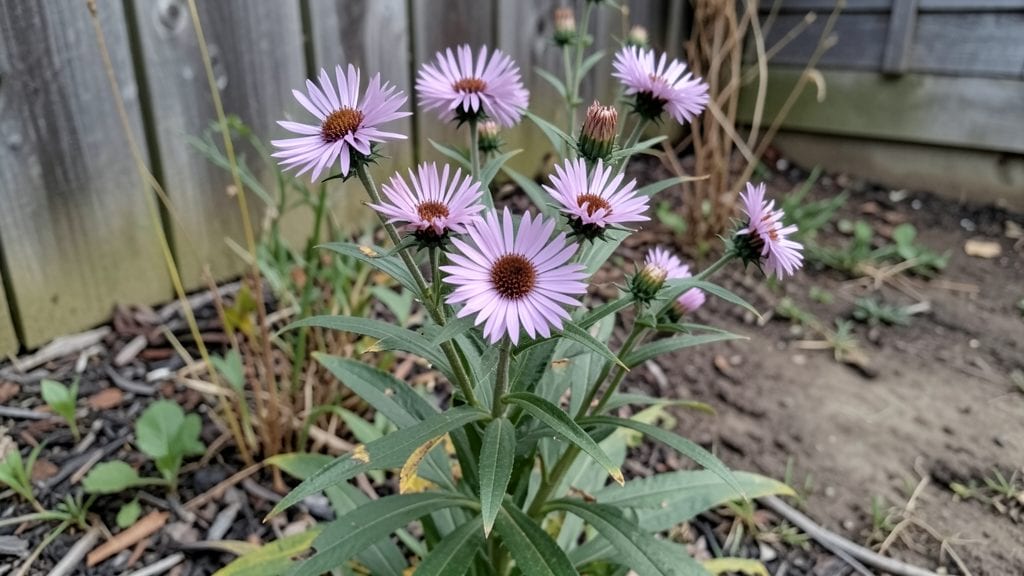
Gardening in New England means growing food that laughs at frost and thrives when summer finally arrives—the kind of hardy plants that keep producing from May through October despite rocky soil and unpredictable weather.
I’ve learned the hard way which varieties actually survive our brutal winters and short growing seasons, like kale that tastes sweeter after a freeze or cold-hardy peas that pop up before the snow melts. These aren’t just plants; they’re the backbone of a New England garden that feeds you year-round.
The secret isn’t fighting the climate—it’s working with it. Start seeds indoors by mid-March for early crops like spinach and lettuce, then follow with cold-tolerant greens and root vegetables that handle late frosts.
In Zone 5 and 6 (which covers most of New England), plant potatoes in early April and succession-sow beans every two weeks to stretch your harvest. Deer and pests are real threats, but row covers and companion planting (like marigolds with tomatoes) keep them at bay without chemicals.
By mid-July, your garden will be a lush, productive jungle of frost-resistant Swiss chard, overwintering onions, and even late-season tomatoes tucked under black plastic to extend warmth.
The real magic happens in fall when kale and Brussels sprouts taste sweeter after a light frost, and you’re still harvesting well into November. This isn’t just gardening—it’s a defiant celebration of what grows despite New England’s mood swings.
Whether you’re in Maine’s cooler coast or Connecticut’s slightly milder pockets, the same principles apply: choose the right varieties, time your plantings precisely, and protect your crops from the elements. The payoff? A garden that outlasts the weather—and your neighbors’ envy. Let’s get those seeds in the ground.
📚 In This Guide
- What you need
- Instructions
- Tips and common mistakes
- Wrapping up and next steps
What you need
- ● Garden Soil: 10–20 bags of high-quality compost (for enriching native clay or sandy soil) and 5–10 bags of topsoil (for raised beds).
- ● Frost-Proof Crops: 5–10 kale plants (e.g., 'Winterbor' or 'Lacinato')
- ● 3–5 carrots (cold-hardy varieties like 'Nantes' or 'Danvers')
- ● 2–3 potatoes (early varieties like 'Yukon Gold' or 'Red Norland')
- ● 1–2 onion sets or garlic bulbs (plant in fall for spring harvest)
- ● Heat-Tolerant Additions: 3–5 tomato plants (heat-resistant varieties like 'Solar Fire' or 'Heatmaster')
- ● 2–4 pepper plants (e.g., 'Carolina Wonder' or 'Jalapeño')
- ● 1–2 bush beans (drought-tolerant like 'Blue Lake')
- ● Basic: Trowel, pruners, garden fork, hoe, and a wheelbarrow (for hauling soil).
- ● Seasonal: Cold frame or low tunnel (extend growing season by 4–6 weeks!)
- ● Row covers or frost cloth (for late spring/early fall protection).
- ○ Optional (But Helpful!): pH test kit (aim for 6.0–7.0 for most veggies)
- ● Drip irrigation system (water efficiently during droughts)
- ● Compost bin (turn kitchen scraps into gold!)
- ● Full-sun spot (6+ hours/day) or partial shade (for leafy greens).
- ● Well-draining soil (amend with compost if needed).
- ● Patience! New England’s short season demands early starts (seed indoors 6–8 weeks before last frost).
- ● Pro tip: 💡 Mark your last frost date (typically mid-May in most of New England) to time plantings perfectly!
Instructions for planning a four-season New England edible garden
New England’s dramatic climate demands strategic planning—here’s how to build resilience into your garden.
Map Your Microclimates and Select Sites
New England’s terrain creates hidden growing zones. Start by walking your property in early spring when frost patterns are visible—low areas hold cold longer, while south-facing slopes warm faster. Mark these zones on a sketch: full sun (6+ hours) spots for heat-lovers like tomatoes, partial shade (3-6 hours) for greens, and deep shade (under trees) for cold-hardy herbs like chives.
I always prioritize the south side of buildings or fences, where walls absorb heat during the day and radiate it back at night. This creates a 10°F warmer microclimate perfect for extending seasons. Avoid soggy low spots—New England’s wet springs lead to fungal diseases if drainage is poor.
Layer Plants by Hardiness Zones
Layer your edibles vertically and by frost tolerance. Start with perennial cold-hardy crops like asparagus (Zone 3) and rhubarb (Zone 4) in permanent beds. These establish roots deep and survive winters with minimal protection. Above them, add biennials like kale and cabbage (Zone 5) that overwinter as rosettes, then bolt in spring.
For annuals, use cold frames or row covers to protect tender plants like spinach and lettuce through light frosts. I’ve seen Swiss chard survive 20°F with just a layer of straw mulch. Reserve greenhouse space for heat-sensitive crops like peppers, saving them for late spring planting.
Build Season-Extending Structures
New England’s short growing season requires infrastructure. Install a low tunnel or hoop house over early spring plantings to capture 10-15°F more warmth than open ground. Cover crops with floating row covers in late fall to trap solar heat and delay frost damage. For winter harvests, plant garlic and hardy greens in late summer—they’ll overwinter and be ready by early spring.
I always add a cold frame> (unheated glass box) for late-season harvests. Fill it with strawberry plants>—they fruit in spring from roots that survived winter. The glass creates a 20°F warmer> microclimate inside, letting you harvest until hard frosts arrive in November.
Schedule Plantings by Frost Dates
New England’s last spring frost> (typically mid-May) and first fall frost> (early October) dictate your calendar. Plant cool-season crops like peas and spinach> 4-6 weeks before last frost, then succession-plant every 2 weeks> for continuous harvests. For summer crops, use quick-maturing varieties> (like ‘Early Girl’ tomatoes) to finish before frost.
I always keep a planting journal noting actual frost dates—your yard may vary by 1-2 weeks> from averages. For fall, direct-seed radishes and arugula> in late August for harvests before hard frosts. Mulch heavily with straw or leaves> to insulate soil and protect roots.
Prepare Soil for Year-Round Productivity
New England’s clay-heavy soils need year-round care. In fall, add compost and aged manure> to beds, then top with 6 inches of mulch> to feed soil microbes over winter. In spring, till in worm castings> for phosphorus—critical for root crops like carrots and potatoes. Test soil pH annually; most edibles thrive at 6.0-7.0>, but blueberries need 4.5-5.5>.
I maintain raised beds filled with 50% compost> for heat retention—these stay productive 2-3 weeks longer> into fall than in-ground plots. Add cover crops like winter rye> in late summer to prevent erosion and suppress weeds during dormant months.
Tips & tricks for planning a resilient New England edible garden
New England’s climate isn’t forgiving, but with these targeted strategies, you’ll transform challenges into opportunities for year-round harvests.
Microclimate Mastery: When mapping your zones in Step 1, use a simple trick: place a thermometer at different spots during a sunny day. The 10°F warmer microclimate on south-facing walls isn’t just theory—it’s measurable. I’ve seen tomato plants ripen 2 weeks earlier on south walls than in open ground. For cold spots, consider reflective mulch (like aluminum foil) to bounce sunlight onto plants during winter.
Layering for Frost Survival: The 20°F survival threshold for Swiss chard in Step 2 is impressive, but you can push it further. When planting garlic in late summer (Step 3), choose varieties like 'German White'—they’ve survived -20°F in my garden with just 6 inches of straw mulch. For biennials like kale, add an extra layer of row cover in late fall to protect them through our brutal January thaws.
Season-Extending Hacks: That 20°F warmer cold frame microclimate in Step 3 works wonders, but here’s how to maximize it: install a small fan inside to circulate air and prevent fungal issues. For low tunnels, use clear plastic instead of greenhouse plastic—it transmits more light for better photosynthesis. And remember: the 10-15°F warmth boost from these structures means you can plant cool-season crops like spinach 3-4 weeks earlier in spring.
Soil Science Secrets: The 50% compost mix in Step 5 isn’t just about fertility—it’s about insulation. I’ve measured raised beds staying 5°F warmer than in-ground plots on cold mornings. For clay-heavy soils, mix in perlite at a 1:1 ratio with your compost to improve drainage. And that 6-inch mulch layer? Double it in winter to protect roots from freeze-thaw cycles that heave plants out of the ground.
Pro Tips for Gardening New England
- New England’s climate isn’t forgiving, but with these targeted strategies, you’ll transform challenges into opportunities for year-round harvests.
- Microclimate Mastery: When mapping your zones in Step 1, use a simple trick: place a thermometer at different spots during a sunny day.
- Layering for Frost Survival: The 20°F survival threshold for Swiss chard in Step 2 is impressive, but you can push it further.
Frequently asked questions
Got questions about tackling New England’s unique gardening challenges? You’re not alone! Whether you’re a first-timer or a seasoned green thumb, these answers will help you grow edibles year-round with confidence.
What are the best frost-tolerant vegetables to start in early spring?
New England’s short growing season calls for smart choices! Start with kale, spinach, and peas—they thrive in cool temps (even light frosts). For heartier options, try broccoli, cabbage, or radishes. Plant these 4–6 weeks before your last frost date (usually late April–early May).
How do I protect my garden from late spring frosts?
Late frosts (common until Mother’s Day!) can wreck tender plants. Use frost cloths or row covers for overnight protection. For seedlings, try mini greenhouses or move pots indoors during cold snaps. Mulch soil with straw to insulate roots. Monitor local frost forecasts—New England’s weather is unpredictable!
Can I grow edibles in containers if my yard has rocky soil?
New England’s rocky terrain is perfect for container gardening. Use deep pots (12+ inches) for tomatoes, peppers, or herbs like basil. Choose lightweight mixes (e.g., coco coir + perlite) to avoid weight issues. Dwarf varieties (e.g., bush beans, patio carrots) work best. Just ensure containers have drainage—no soggy roots!
What’s the secret to extending the harvest into fall?
Beat New England’s early freezes with season extenders! Use cold frames or low tunnels to shield greens like lettuce and herbs. Succession plant hardy crops (e.g., kale, beets) every 2–3 weeks until late August. For tomatoes, harvest before frost or grow ‘Siberian’ varieties—they handle cooler temps better.
How do I deal with pests like slugs and cabbage worms without chemicals?
New England’s pests are pesky, but natural fixes work! Beer traps (bury a cup filled with beer) lure slugs. For cabbage worms, handpick eggs or use row covers. Plant marigolds or nasturtiums as pest-repelling companions. Introduce beneficial nematodes for soil-dwelling critters. Copper tape around raised beds deters slugs too!
When should I start my seeds indoors vs. direct-sow outdoors?
| Start Indoors | Direct-Sow Outdoors |
|---|---|
| Tomatoes, peppers, eggplants (6–8 weeks before last frost) | Peas, spinach, radishes (as soon as soil is workable, ~March/April) |
| Herbs (basil, parsley) (4–6 weeks before last frost) | Lettuce, carrots, beans (after last frost, ~May 15–June 1) |
Use grow lights for indoor starts—New England’s short days can stunt seedlings. Harden off plants for 1 week before transplanting!
Wrapping up and next steps
Gardening in New England’s unpredictable climate is all about adaptation and resilience—and you’ve got this! 🌱 From frost-hardy kale to sun-loving tomatoes, the right plants can thrive year-round with a little planning.
Whether you’re a seasoned green thumb or just starting, every small step—like choosing the right soil or extending your season with row covers—brings you closer to a bountiful harvest.
Ready to dive deeper? Start small this season: pick one frost-tolerant veggie from this guide, test your soil, and watch your garden grow. Happy planting! 🌿