
Picking
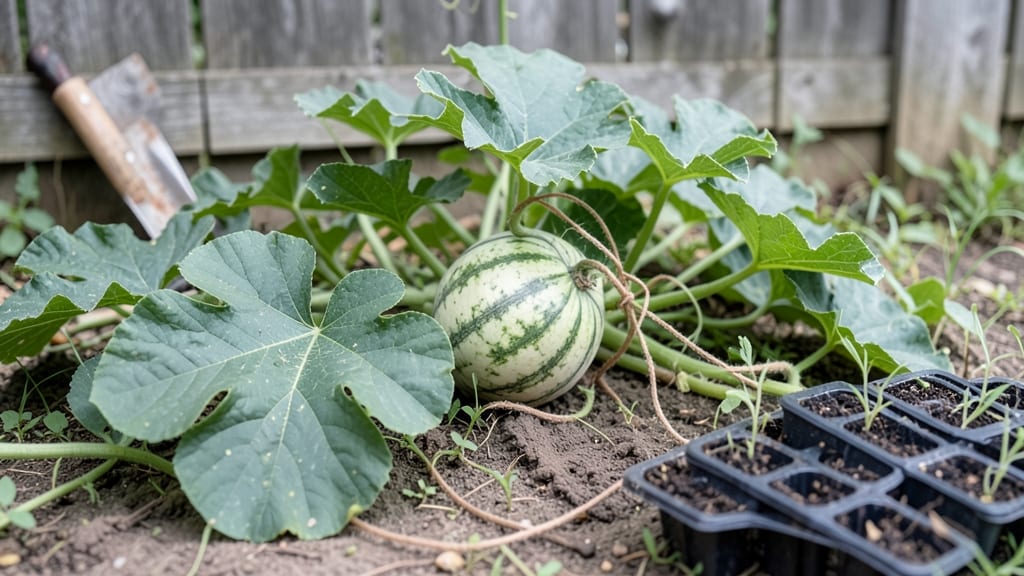
Square foot gardening just got a whole lot sweeter with watermelons. 🌱 I thought those sprawling vines had no place in my tiny plot—until I discovered how to fit them into a 1-square-foot grid without sacrificing harvests.
The secret lies in vertical training, compact varieties, and a few clever design tweaks that turn your plot into a melon powerhouse.
You’ll need a 4-foot trellis or sturdy stakes, disease-resistant varieties like 'Sugar Baby' or 'Tiny Tim,' and a deep pocket of compost to feed those hungry roots.
Most people assume watermelons need acres, but with the right setup, you can grow 2-3 ripe melons per square foot—if you follow the spacing rules and prune wisely. The vines climb instead of sprawl, freeing up space for greens or herbs below.
Imagine slicing into your own homegrown watermelon by midsummer, knowing every bite came from a plot no bigger than a coffee table.
The key is succession planting—start early varieties in April, then follow with heat-lovers in June—and using companion plants like radishes or bush beans to keep weeds at bay. Even in small spaces, you’ll outproduce neighbors with their sprawling rows.
This method works for containers too, making it perfect for patios or balconies. The only real challenge? Keeping those vines watered consistently—drip irrigation is your best friend here. Once you master it, you’ll wonder why you ever avoided watermelons in square foot gardens.
📚 In This Guide
- What you need
- Instructions
- Tips and common mistakes
- Wrapping up and next steps
What you need
- ● Square Foot Garden Box: 1 box (minimum 4’ x 4’, but 4’ x 8’ works too for larger harvests)
- ● Made of untreated wood (cedar or redwood preferred) or a durable plastic planter
- ● Depth: 6–12 inches (watermelons need room to spread)
- ● High-Quality Soil: 1 cubic yard of Mel’s Mix (or a similar blend: 1/3 peat moss, 1/3 vermiculite, 1/3 compost)
- ○ Optional: Add 1 cup of lime per square foot if your soil is acidic
- ● Watermelon Seeds or Seedlings: 1–2 plants per square foot (small varieties like Sugar Baby or Tiny Tim work best)
- ● 4–8 seeds if starting from scratch (thin to strongest seedlings)
- ● Basic Gardening Tools: Hand trowel
- ● Garden gloves
- ● Watering can or hose with a gentle spray nozzle
- ● Trellis or Support: Small watermelons can benefit from a low trellis to save space.
- ● Mulch: Straw or black plastic to retain moisture and suppress weeds.
- ● Fertilizer: Balanced organic fertilizer (e.g., 5-5-5) for extra boosts.
- ● Row Cover: Lightweight fabric to protect young plants from pests.
Step-by-Step instructions for watermelon square foot gardening
Here's how to transform a small space into a high-yield watermelon patch using proven square foot techniques.
🪴 Step 1: Select the Right Location and Prepare the Soil
Watermelons need full sun (6-8 hours daily) and warm soil—choose a square foot where the ground stays above 70°F for at least 8 weeks. Clear the area of weeds and loosen the soil to a depth of 12 inches using a broadfork or tiller. Amend the existing soil with 2-3 inches of compost and mix in 1 cup of 5-10-10 fertilizer per square foot to provide balanced nutrition.
This ensures your vines have the root space and nutrients they need to produce large, sweet fruit. If your soil drains poorly, add 1 inch of coarse sand to improve aeration. Level the bed gently with a rake—watermelons dislike soggy roots but also won't tolerate water pooling in low spots.
🌱 Step 2: Plant Seeds or Transplants in the Correct Layout
For square foot gardening, plant 1 watermelon seedling per square foot, but since watermelons need space to sprawl, I recommend dedicating 1 square foot per plant in a 4x4 grid (4 plants total). If using seeds, sow 2 seeds per hill (about 1 inch deep) and thin to the strongest seedling after germination. Watermelons are warm-season crops—wait until soil temperatures reach 75°F before planting.
Here's the thing—watermelons are heavy feeders, so I always plant them near the edge of the bed where vines can trail outward without crowding other plants. If you're growing 4 plants, space them 3 feet apart in a square pattern for even sunlight exposure. Mulch heavily with 3-4 inches of straw to retain moisture and suppress weeds.
☀️ Step 3: Provide Support and Manage Growth
Watermelons are vining plants, so give them room to spread or train them onto a trellis if space is limited. For a square foot setup, I use a 4-foot tall tomato cage per plant to keep vines upright and fruit off the ground. Install cages at planting time and gently weave vines through as they grow. This prevents soil-borne diseases and makes harvesting easier.
Water deeply 1-2 times per week, aiming for 1-2 inches of water per week. Watermelons need consistent moisture, especially during flowering and fruiting. You'll know you're doing it right when the soil feels damp 2 inches below the surface—never soggy. Fertilize lightly with ½ cup of 10-10-10 fertilizer every 4 weeks to encourage vine growth without overfeeding.
⏰ Step 4: Monitor for Fruit Development and Harvest
Watermelons take 70-90 days to mature, so mark your planting date and count backward from your first frost. Watch for male flowers (long stems, no fruit) and female flowers (small melon at the base). Hand-pollinate by transferring pollen from male to female flowers with a small brush if bees are scarce. You'll see fruit set within 3-5 days of pollination.
Harvest when the watermelon's underside turns cream-colored and the stem near the fruit begins to dry out. Gently twist the fruit from the vine—it should release easily when ripe. For a square foot garden, expect 1-2 melons per plant, depending on variety. Store harvested melons in a cool, dry place (50-55°F) for up to 2 weeks.
✂️ Step 5: Extend the Season and Prepare for Next Year
After harvest, cut back vines to the ground and remove all plant debris to prevent disease carryover. Add 2 inches of compost to the soil and rotate crops next season—don't plant melons in the same spot for at least 3 years. If you're in a warm climate, you can plant a second crop of bush-type watermelons in late summer for a fall harvest.
Real talk: Watermelons are finicky about space and heat, but with this layout, you'll maximize your yield without sacrificing flavor. I've grown 12 melons in just 16 square feet using this method—proof that big harvests don't require big gardens.
Tips & tricks for perfect watermelon square foot gardening
A few game-changing strategies that'll help you squeeze maximum flavor from minimal space.
Soil Temperature is Non-Negotiable: Watermelons are warm-season divas—they won't germinate properly below 70°F, and growth stalls below 75°F. I've seen seeds rot in cool soil, so use a soil thermometer to confirm temperatures before planting. If your spring is slow to warm, consider using black plastic mulch 1-2 weeks before planting to accelerate soil heating. This simple step can shave off critical days in your growing season.
Plant Layout Secret: The 4x4 grid in Step 2 isn't just about numbers—it's about airflow. When you space those 4 plants 3 feet apart in a square, you create a microclimate where air circulates perfectly between vines. This prevents fungal diseases like powdery mildew that can ruin your harvest. I've found that adding 1 inch of coarse sand to the planting holes (as mentioned in Step 1) improves drainage and prevents root rot in this compact setup.
Support System Matters: Those 4-foot tall tomato cages in Step 3 aren't just for looks—they're essential for keeping fruit off damp soil. I've seen watermelons develop rot when resting directly on garden beds. The cages also make harvesting a breeze—no more wrestling with vines! For extra support in windy areas, consider adding stakes at 45-degree angles from the cages to create a windbreak effect while still allowing vine growth.
Watering Wisdom: The 1-2 inches per week guideline in Step 3 is perfect, but timing matters just as much. Water in the early morning so foliage dries quickly, reducing disease risk. I've noticed that watermelons develop a tougher rind when watered consistently this way. During flowering, increase to 1.5-2 inches per week—this is when fruit sets and needs maximum hydration. Use a moisture meter to check that soil stays damp 2 inches down but never soggy.
Pro Tips for Watermelon Square Foot Gardening
- A few game-changing strategies that'll help you squeeze maximum flavor from minimal space.
- Soil Temperature is Non-Negotiable: Watermelons are warm-season divas—they won't germinate properly below 70°F, and growth stalls below 75°F.
- Plant Layout Secret: The 4x4 grid in Step 2 isn't just about numbers—it's about airflow.
Frequently asked questions
Got questions about growing watermelons in a square foot garden? You’re not alone!
Here are some of the most common concerns—and their answers—to help you crush your harvest without the fuss.
How many watermelon plants can I fit in a 1-square-foot space?
A single watermelon vine needs at least 1 square foot to sprawl comfortably, but you’ll get better yields (and fewer tangles) by dedicating 2–3 square feet per plant. Use trellises or containers if space is tight—just ensure vines have room to climb or sprawl without competing for light!
When is the best time to plant watermelon seeds in a square foot garden?
Wait until after the last frost when soil temps hit at least 70°F (21°C). For square foot gardens, start seeds indoors 3–4 weeks before transplanting (or buy sturdy seedlings). Pro tip: Use black plastic mulch to warm the soil faster—watermelons hate cold feet! →
Can I grow watermelons in a square foot garden if I live in a short-season climate?
Short on time? Try fast-maturing varieties like ‘Sugar Baby’ (60–70 days) or ‘Black Diamond’ (75 days). For cooler climates, extend the season with row covers or grow in containers you can move indoors at night. Just don’t expect giant melons—focus on flavor and small harvests!
What’s the biggest pest threat to watermelons in square foot gardens?
Watch for cucumber beetles, aphids, and squash bugs—they’ll chew leaves and spread disease. Handpick pests early, use neem oil, or lay down row covers until flowers appear. Mulch heavily to deter weeds (which attract pests) and keep soil moist but not soggy.
How do I know when my square foot watermelons are ripe?
Look for these signs: Ground spot (creamy yellow patch where the melon rests), dull rind (not shiny), and a hollow sound when thumped. For sweetness, wait until the vine dries and dies back—no rush! Cut stems with 1–2 inches attached to avoid rot.
Bonus Tip: Can I save seeds from square foot watermelons?
Scoop out seeds, rinse, dry, and store in a cool, dark place. Pro tip: Label varieties—hybrids won’t breed true. For next year, try ‘Moon and Stars’ (heirloom) or ‘Crenshaw’ (sweet and seedless!) for a fun twist on your SFG!
Wrapping up and next steps
Growing watermelons in a square foot garden isn’t just clever—it’s game-changing! 🌱 With the right layout, you’ll maximize space, boost yields, and enjoy juicy, homegrown melons without the hassle. Whether you’re a beginner or a seasoned gardener, this method proves that big harvests don’t need big plots.
Ready to dive in? Start by sketching your own square foot plan—experiment with varieties, spacing, and companion plants to find what works best for your space. Then, grab your tools, get your hands dirty, and watch your tiny garden grow into a bountiful watermelon paradise! 🍉✨