
Flowers
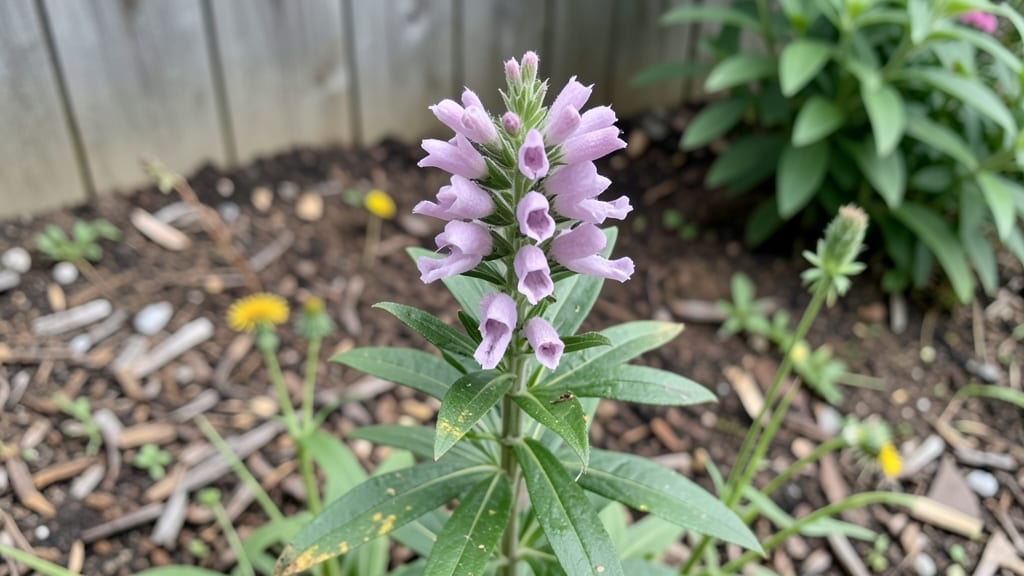
Angelonia in garden designs brings that shockingly lush purple-blue punch that never fades—even when summer turns scorching. 🌿 I first spotted it in a drought-stricken border and fell in love with how it kept blooming while everything else wilted.
The secret lies in its heat tolerance and adaptability, making it the perfect workhorse for low-water gardens or sunny spots where other flowers give up.
This isn’t just a filler plant—it’s a pollinator magnet that pairs beautifully with salvias, lantanas, and silver foliage. In cottage gardens, tuck it alongside roses for a romantic contrast, while modern designs let its spikes stand tall in minimalist arrangements.
The color ranges from soft lavender to deep violet, so you can mix it with nearly anything without clashing.
You’ll end up with neighbor-jealousy levels of blooms from spring to frost, with minimal fuss. The flowers stay vibrant even in the heat, and it thrives in well-drained soil whether in borders, containers, or mass plantings.
Once established, it’s nearly indestructible—just cut back lightly after each flush of blooms to keep it compact and prolific.
Works equally well in formal gardens, wildflower meadows, or even as a drought-proof annual in pots. Let’s explore how to make it the star of your space without breaking a sweat.
Root Causes Behind Angelonia Struggles
Angelonia, with its vibrant blooms and drought-resistant charm, is a garden favorite—but even the hardiest plants can face setbacks. Understanding why these issues arise helps you fix them fast. Let’s dig into the science behind common problems and how to address them.
Angelonia hates soggy feet. When planted in heavy clay or compacted soil, water pools around roots instead of draining away. This triggers root rot (a fungal infection caused by Phytophthora or Pythium), which suffocates roots by blocking oxygen uptake.
Over time, the plant wilts, yellows, or drops buds—even if you’re watering "just right."
Why it happens:
- Clay-heavy soil acts like a sponge, holding excess moisture near roots.
- No organic matter (like compost) disrupts soil structure, preventing water flow.
- Overwatering (especially in containers) creates a waterlogged environment.
Actionable fix: Amend soil with perlite, sand, or coconut coir to improve aeration. For in-ground plants, raise beds or add compost to break up clay. Test drainage by digging a small hole, filling it with water, and timing how long it drains—ideal is within 1–2 hours.
Angelonia loves sun—but too much intense afternoon heat (especially in zones 8–11) can scorch leaves. When temperatures exceed 90°F (32°C), the plant’s waxy cuticle (its natural sunscreen) fails, leading to:
- Brown, crispy leaf edges (like paper burning).
- Bleached or white patches (sun bleaching from UV exposure).
- Bud drop as the plant diverts energy to survival.
Why it happens:
- Angelonia’s native habitat (South America) has high humidity and filtered sunlight—not the dry, blazing sun of desert gardens.
- Reflective surfaces (light-colored pavement, vinyl mulch) amplify UV rays, acting like a magnifying glass.
- Lack of afternoon shade in full-sun spots turns leaves into crispy snacks.
Actionable fix:
- Provide afternoon shade (3–6 PM) with sheer fabric or a lattice trellis.
- Use mulch (straw or wood chips) to keep roots cool—it’s like a root AC unit!
- Choose light-colored containers to reflect heat away from roots.
Angelonia’s compact growth makes it a prime target for powdery mildew (Erysiphe cichoracearum) and botrytis blight (Botrytis cinerea) when air can’t circulate. Fungal spores thrive in humid, stagnant air—think of it like a petri dish for pathogens.
Why it happens:
- Planting too close (leaving <12 inches between stems) traps moisture on leaves.
- Poor airflow in dense borders or containers without drainage holes.
- Nighttime dew + high humidity (common in tropical climates) extends fungal "party hours."
Actionable fix:
- Space plants 12–18 inches apart for airflow.
- Water early in the day so leaves dry by evening.
- Apply neem oil or baking soda spray (1 tsp baking soda + 1 quart water + drop of soap) weekly as prevention.
Too much fertilizer—especially high-nitrogen blends—burns angelonia’s roots and stops flowering. While these plants are low-maintenance, they do need balanced care. Over-fertilizing leads to:
- Leaf yellowing (chlorosis) from excess salts blocking iron uptake.
- Stunted growth as roots "burn" from concentrated nutrients.
- Fewer blooms because the plant focuses on leafy growth, not flowers.
Why it happens:
- Angelonia prefers low-to-moderate fertility—think "just enough to thrive, not to grow like a monster."
- Slow-release fertilizers (like osmocote) can overfeed if not matched to the plant’s needs.
- Tap water with high minerals (hard water) adds extra salts over time.
Actionable fix:
- Switch to a balanced, water-soluble fertilizer (10-10-10 or 5-5-5) and dilute to half-strength.
- Flush soil quarterly with water to leach excess salts (run water through pots or irrigate heavily).
- Use organic options like fish emulsion (every 6–8 weeks) for gentle feeding.
Angelonia rarely attracts pests—but when stressed (from drought, poor soil, or disease), it becomes a buffet for:
- Aphids (sap-sucking insects that leave sticky residue).
- Spider mites (tiny red dots causing stippled leaves).
- Whiteflies (tiny moth-like pests that flutter when disturbed).
Why it happens:
- Stressed plants produce more sugars in leaves, making them tastier to pests.
- Dry conditions (low humidity) trigger spider mites, which thrive in arid environments.
- Weakened roots can’t support the plant’s defenses, leaving it vulnerable.
Actionable fix:
- Spray leaves with neem oil or insecticidal soap at the first sign of pests.
- Introduce beneficial insects like ladybugs or lacewings to control populations.
- Improve plant health by fixing soil drainage and watering consistently.
Quick fixes for angelonia struggles
Revitalizing your angelonia (or summer snapdragon) doesn’t have to be a puzzle—with the right tweaks, you’ll have vibrant blooms in no time. Below are practical, step-by-step solutions tailored to common issues, plus prevention tips to keep your plants thriving long-term. Think of this as your angelonia first-aid kit!
Cause: Overwatering, poor drainage, or fungal infections (like root rot). Fix It Fast:
- 🔥 Stop Watering Immediately Angelonia hates soggy roots. Let the top 1–2 inches of soil dry out before watering again. Stick your finger in the soil—if it’s damp, wait!
- 🍳 Improve Drainage
- For pots: Add a layer of perlite or coarse sand to the soil mix (aim for 30% amendment).
- For garden beds: Amend the soil with compost or gritty sand to prevent compaction.
- 👨🍳 Trim the Damage Snip off yellowed or mushy leaves with clean scissors. Healthy green leaves will bounce back faster.
- 🌡️ Fungal Treatment (If Needed) If leaves have dark spots or a foul smell, spray with a copper fungicide or a baking soda mix (1 tsp baking soda + 1 quart water + a drop of dish soap). Reapply every 7–10 days.
💡 Prevention Tip:
- Water at the base (not overhead) to keep foliage dry and reduce fungal risks.
- Use well-draining pots with drainage holes—angelonia despises wet feet!
Cause: Too much shade, over-fertilizing with nitrogen, or lack of sunlight. Fix It Fast:
- ☀️ Move to Full Sun Angelonia craves 6+ hours of direct sunlight daily. If indoors, place near a south-facing window or use a grow light for 12–14 hours/day.
- 🔪 Prune for Bushiness
- Pinch back the top sets of leaves when the plant is young to encourage branching.
- Trim leggy stems to just above a leaf node to prompt new growth.
- 🥘 Fertilize Right
- Switch to a bloom booster (high in phosphorus, like 5-10-5 or 10-20-10).
- Feed lightly: Overdoing it causes lush leaves but no flowers. Use half-strength liquid fertilizer every 4–6 weeks.
💡 Prevention Tip:
- Deadhead spent blooms regularly to encourage more flowers.
- Avoid rich compost near the roots—it can lead to leafy growth instead of blooms.
Cause: Dry air, crowded plants, or weak immunity from stress. Fix It Fast:
- 🔥 Blast Them Off
- Aphids/Whiteflies: Spray with soapy water (1 tsp mild dish soap + 1 quart water). Repeat every 3–4 days.
- Spider Mites: Wipe leaves with a damp cloth or spray with neem oil (1 tbsp neem oil + 1 quart water + a drop of soap).
- 🌡️ Increase Humidity (Indoors) Place a pebble tray with water near the plant or use a humidifier. Angelonia prefers 40–60% humidity.
- 🎯 Isolate Infested Plants Move affected plants away from healthy ones to prevent spread.
💡 Prevention Tip:
- Encourage beneficial insects like ladybugs or lacewings by planting dill, marigolds, or basil nearby.
- Inspect new plants before bringing them home—quarantine for a week if possible.
Cause: Underwatering, low humidity, or fluoride buildup from tap water. Fix It Fast:
- 💧 Water Deeply & Consistently
- Check soil moisture daily in hot weather. Angelonia prefers evenly moist (not soggy) soil.
- Bottom-watering trick: Place the pot in a tray of water for 10–15 minutes to hydrate roots without wetting leaves.
- 🌡️ Boost Humidity
- Mist leaves lightly in the morning (avoid evening to prevent fungal issues).
- Group plants together to create a microclimate.
- 🔪 Trim Damaged Foliage Cut back brown edges with clean scissors to redirect energy to new growth.
- ✨ Use Filtered or Rainwater If your tap water is hard, collect rainwater or use a water filter to avoid fluoride buildup.
💡 Prevention Tip:
- Mulch around the base with gravel or straw to retain moisture and reduce evaporation.
Angelonia is drought-tolerant but still needs seasonal love:
- Spring/Summer: Water every 2–3 days (daily in extreme heat).
- Fall/Winter: Reduce watering to once a week (unless indoors, where humidity drops).
- Winter Indoors: Keep in bright, indirect light and mist occasionally.
Final Pro Tip: 🌟 Angelonia thrives on neglect-friendly conditions—once established, it’s happy with minimal fuss. The key is sun, good drainage, and occasional pruning. If you nail these basics, your angelonia will reward you with nonstop blooms from spring to frost!
Frequently asked questions about angelonia in gardens
What’s the best way to use angelonia in container gardens?
Angelonia thrives in containers with well-draining soil and 6+ hours of sunlight. Pair it with lavender or succulents for a drought-resistant combo. Use pots with drainage holes and mix in perlite to prevent soggy roots. For a pop of color, plant 3-5 stems per 12-inch pot—they’ll spill over beautifully!
Can angelonia grow in partial shade?
While angelonia prefers full sun, it can tolerate morning sun with afternoon shade in hot climates. In partial shade, expect fewer blooms and leggier growth. If indoors, place near a south-facing window or use a grow light for 12-14 hours/day to keep it vibrant.
How do I keep angelonia blooming all season?
Deadhead spent blooms regularly to encourage new flowers. Feed with a balanced, water-soluble fertilizer (like 10-10-10) every 4-6 weeks at half-strength. Prune leggy stems to just above a leaf node to promote bushiness. With these steps, you’ll enjoy continuous blooms from spring to frost!
What companion plants pair best with angelonia?
Angelonia looks stunning with salvias, lantanas, and silver foliage plants like dusty miller. For pollinator gardens, pair it with butterfly bush or coneflowers. In cottage gardens, tuck it alongside roses or hydrangeas for a romantic contrast. The key is matching its drought tolerance and sun requirements!
Why are my angelonia leaves turning yellow?
Yellow leaves usually signal overwatering or poor drainage. Let the top 1-2 inches of soil dry out before watering again. If the soil is waterlogged, improve drainage by adding perlite or sand. Yellowing can also occur from nutrient deficiencies—try a balanced fertilizer to revive growth.