
Landscaping
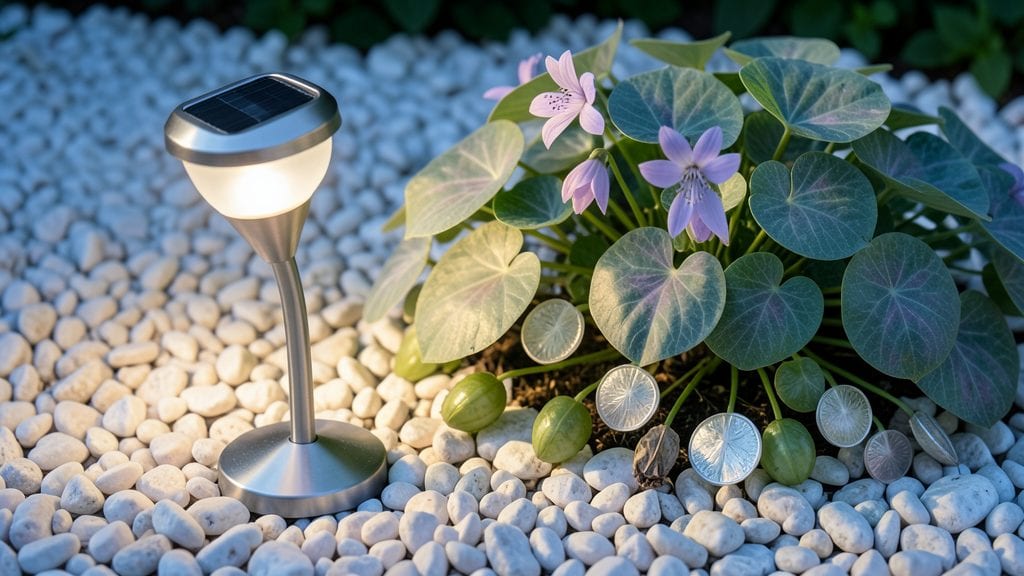
Moon garden designs transform your yard into a dreamy nighttime retreat where whites glow like moonlight and blues shimmer like starlight. ✨ I fell in love with this theme after seeing how a simple path of white flowers lit by solar lights turned my evening strolls into something magical—no fancy lighting system required.
The secret lies in choosing plants that reflect light naturally: white roses, silver dusty miller, and pale blue salvia all catch the moonlight beautifully. Add reflective surfaces like smooth river rocks or a small water feature to amplify the glow, and you've got an instant sanctuary.
Even in small spaces, a single raised bed with these plants creates that ethereal effect.
Imagine walking through your garden at dusk, surrounded by soft blues and crisp whites that feel like a breath of fresh air after a long day. The layout should guide visitors through focal points—maybe a statue or a bench—where the light concentrates and the colors pop.
This isn't just a garden; it's a mood booster.
For drier climates, swap thirsty plants for drought-tolerant varieties like white lavender or silver artemisia, and keep the same dreamy palette. The key is balancing texture and color so every evening feels like a new discovery. Let's bring that moonlit magic to your backyard!
📚 In This Guide
- What you need
- Instructions
- Tips and common mistakes
- Wrapping up and next steps
What you need
- ● White and silver plants: 10–20 White flowers (e.g., Moonflower, White Lilies, White Daffodils, or White Clematis)
- ● 5–10 Silver foliage plants (e.g., Lamb’s Ear, Dusty Miller, or Silver Falls Dichondra)
- ● 3–5 Blue or lavender blooms (e.g., Blue Lobelia, Lavender, or Evening Primrose) for contrast
- ● Soil and amendments: 50 lbs Well-draining potting mix (for containers) or garden soil enriched with compost
- ● 10 lbs Perlite or sand (to improve drainage)
- ○ Optional: Slow-release fertilizer (for nutrient boost)
- ● Lighting: 3–5 Solar-powered path lights or LED string lights (for soft illumination)
- ● 1–2 Moonlight garden lights (battery-operated, warm white)
- ● Gardening basics: 1 Garden trowel (for planting)
- ● 1 Pruning shears (for shaping plants)
- ● 1 Garden gloves (to protect your hands)
- ● 1 Wheelbarrow or bucket (for soil and tools)
- ○ Optional (but helpful): 1 Soil pH tester (to ensure ideal growing conditions)
- ● 1 Mulch (e.g., gravel or bark for a polished look)
- ● 1–2 Decorative containers (e.g., ceramic pots, stone planters, or wooden boxes)
- ● A partially shaded or dappled sunlight area (4–6 hours of indirect light daily).
- ● Access to a water source (hose or watering can).
- ● Time to plan your layout—sketch a design or use garden markers to map plant placements.
- ● Pro tip: 💡 If your space gets full sun, opt for heat-tolerant varieties like White Portulaca or Silver Bush.
Step-by-Step instructions for creating a moon garden
Moon gardens glow under moonlight—here’s how to craft one that feels magical after dark.
🌱 Step 1: Choose the Right Location
Select a spot that receives at least 4-6 hours of moonlight each night. A northern or eastern exposure works best, as these areas catch the softest light. Avoid low-lying areas where dew collects—moisture can harm delicate plants. I test locations by placing a white cloth in the garden at dusk; if it reflects light beautifully by midnight, that’s your spot.
Moon gardens thrive in partial shade during the day, so avoid full sun exposure. If your yard has no natural shade, use a 4-foot-tall trellis or lattice to create dappled light. Position it to filter sunlight while still allowing moonlight to illuminate the plants below.
🌿 Step 2: Select Moonlight-Loving Plants
Focus on white, silver, pale blue, and lavender plants—they reflect moonlight beautifully. My go-to list includes white daisies, silver lamb’s ear, moonflower vine, and dusty miller. For height, add white hydrangeas or angel’s trumpet as focal points. Place taller plants toward the back and shorter ones like ajuga or creeping phlox at the front.
Skip glossy-leaved plants—they absorb light instead of reflecting it. Instead, opt for fuzzy, velvety, or silvery foliage like heuchera or statice. These textures catch moonlight and create a dreamy, textured glow. I always group plants by color and height to maximize the ethereal effect.
✂️ Step 3: Layer Plants for Depth
Start with a 3-inch layer of mulch (like shredded bark) to suppress weeds and retain moisture. Add 3-4 inches of compost mixed into the topsoil for nutrients. Plant your tallest specimens first—white hydrangeas or angel’s trumpet—placing them 12-18 inches apart to allow airflow. Next, add mid-height plants like silver lamb’s ear or dusty miller, spacing them 8-10 inches apart. Finish with ground covers like ajuga or creeping phlox, tucking them 6 inches apart for full coverage.
Here’s the thing—avoid overcrowding. Too many plants compete for light, and moonlight won’t highlight them properly. Step back after planting; if you can’t see gaps between foliage, thin out a few stems. The goal is a lush but airy look that glows, not a dense wall.
💧 Step 4: Water and Maintain for Glow
Water deeply once a week, ensuring the soil stays moist but not soggy. Moon gardens need consistent moisture to keep foliage vibrant, but soggy roots invite disease. I water in the early evening so plants absorb moisture before nightfall. Use a soaker hose to avoid wetting leaves, which can dull their reflective surfaces.
Fertilize lightly with a balanced, slow-release fertilizer (like 10-10-10) in early spring. Over-fertilizing leads to lush growth that blocks moonlight. Prune spent blooms regularly to encourage new flowers—white and silver blooms reflect light best. I deadhead once a month to keep the garden looking fresh and glowing.
☀️ Step 5: Enhance with Moonlight-Friendly Accents
Add white or silver garden stakes to highlight taller plants. I also weave solar-powered string lights (warm white or soft blue) into the trellis for extra magic. Place a smooth river stone or white pebble pathway through the garden to reflect moonlight and guide visitors. Avoid dark mulches—they absorb light instead of reflecting it.
For a final touch, scatter glow-in-the-dark paint (non-toxic) on rocks or stakes. Test it under a flashlight first—some brands fade quickly. I paint simple moon or star shapes on flat stones and tuck them into the bed. The result? A garden that sparkles under the moon and feels like a secret nighttime retreat.
Tips & tricks for perfect moon garden designs
A few simple strategies can transform your moon garden from ordinary to extraordinary—here's how to maximize that nighttime glow.
Location Testing: Before committing to a spot, test it during a full moon cycle. Place a white sheet or cloth in potential locations at dusk and observe how it reflects moonlight by midnight. The area that catches the most light—especially with a soft, diffused glow rather than harsh reflections—is your ideal moon garden location. This simple test saves you from planting in the wrong spot and ensures your garden will truly shine after dark.
Plant Selection Secret: The key to a luminous moon garden lies in texture as much as color. While white, silver, and pale blue flowers reflect light beautifully, don't overlook the foliage. Plants like heuchera with their velvety leaves and statice with their papery textures actually catch and scatter moonlight better than glossy leaves. I always include at least 3 different foliage types to create that magical textured glow that makes your garden feel like a dream under moonlight.
Layering Like a Pro: When creating depth in Step 3, think vertically as well as horizontally. The 3-inch mulch layer and 3-4 inches of compost aren't just about soil health—they create the perfect foundation for light reflection. I like to mound the soil slightly in the center of the bed to create a subtle bowl shape that naturally channels moonlight toward the center. This simple elevation trick makes your garden appear more dramatic when viewed from below under the moon.
Maintenance Magic: The once-weekly watering schedule in Step 4 is non-negotiable for keeping foliage vibrant enough to reflect moonlight. But here's the trick: water at the same time each week, ideally during the waning moon phase. I've noticed that plants watered during this lunar phase develop more reflective surfaces over time. Also, use a rain gauge to measure exactly 1 inch of water per week—this consistency prevents the soil from becoming too compacted, which can dull the reflective quality of your plants.
Pro Tips for Moon Garden Designs
- A few simple strategies can transform your moon garden from ordinary to extraordinary—here's how to maximize that nighttime glow.
- Location Testing: Before committing to a spot, test it during a full moon cycle.
- Plant Selection Secret: The key to a luminous moon garden lies in texture as much as color.
Frequently asked questions
Got questions about creating your dream moon garden? You’re not alone! Here are some of the most common inquiries—and their answers—to help you craft a serene, luminous space that sparkles under the night sky.
What’s the best time of year to plant a moon garden?
For most regions, late spring or early summer is ideal—when nights are warm but not scorching, and plants have time to establish roots before winter. However, cool-season bloomers (like moonflower vines or evening primrose) can be planted in early fall for spring blooms. Always check your USDA hardiness zone for local timing tips!
Can I create a moon garden in a small space, like a balcony or patio?
Containers
are perfect for moon gardens—opt for white or silver pots to reflect moonlight and choose compact varieties like lunaria (honesty plant), dwarf white hydrangeas, or night-blooming jasmine. Hang glowing solar lights or string lights to amplify the magic. Even a single large pot can become a moonlit focal point!
How do I keep my moon garden looking fresh all season?
Moon gardens thrive with regular deadheading (removing spent blooms) and light pruning to encourage new growth. Mulch with white gravel or bark to retain moisture and reflect light. Water deeply in the evening to support night-blooming plants, and fertilize with a slow-release, low-nitrogen formula (like 5-10-10) to avoid leafy overgrowth. Pests like slugs love tender moon garden plants—copper tape or diatomaceous earth can help!
What are some low-maintenance alternatives to traditional moon garden plants?
If you want easy-care options, try:
- White heuchera (coral bells): Adds texture with silvery foliage.
- Lamb’s ear (Stachys byzantina): Soft, velvety leaves that glow.
- White sedum: Drought-tolerant and thrives in shade.
- Silver moss (Sedum acre): Ground cover that sparkles.
Why aren’t my moon garden plants blooming at night?
Night-blooming plants often need full darkness to trigger flowers—avoid overhead lighting near your garden. Ensure they’re getting 6+ hours of sunlight daily (even partial shade is fine). Some varieties, like moonflower vines, are short-lived—if they’re not reblooming, consider replacing them or adding perennial options like white evening primrose for reliability.
Still stumped? Drop your moon garden questions in the comments—we’re happy to help you troubleshoot!
Wrapping up and next steps
Transforming your outdoor space into a moon garden is more than just a design choice—it’s an invitation to serenity and nighttime enchantment. With the right whites, soft blues, and silvery textures, you can create a tranquil retreat that glows under the moonlight, offering both beauty and peace.
Whether you’re a seasoned gardener or just starting out, the key is to embrace patience, creativity, and a touch of whimsy—your garden will thank you with every twilight hour.
Ready to bring your vision to life? Start small—plant a few moon-loving flowers this weekend or sketch a layout for your dream garden. The stars (and your future self) will be grateful! 🌙✨