
Fertilization
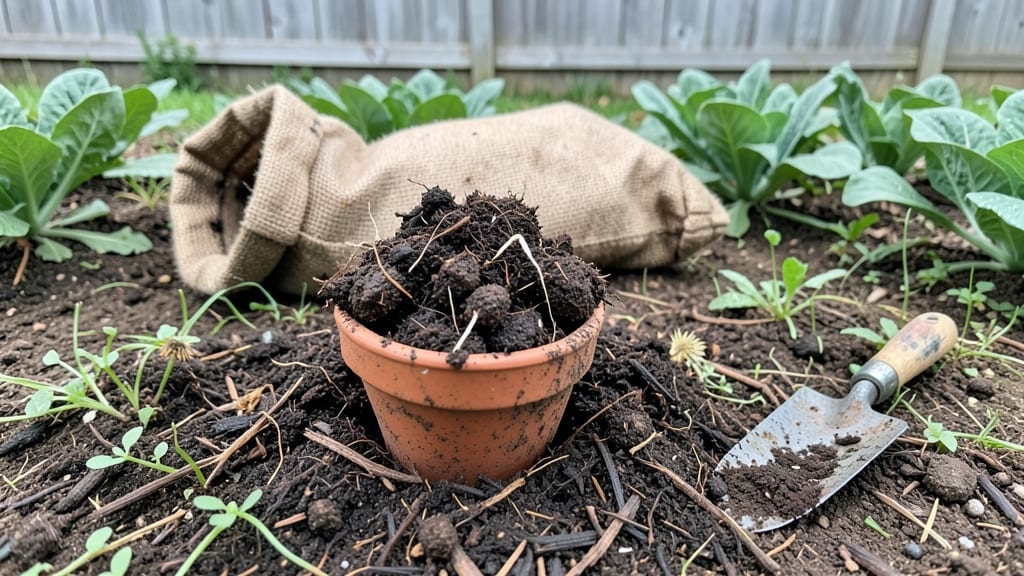
Using alpaca manure for garden boosts soil fertility with balanced nitrogen, phosphorus, and potassium while enhancing moisture retention and microbial life. This nutrient-rich organic fertilizer works wonders for vegetables, flowers, and perennials, plus its mild acidity and low odor help suppress weeds naturally.
Alpaca manure stands out because its nutrient profile is more balanced than many other animal manures, releasing nutrients slowly to feed plants over time. 🌱 Unlike cow or horse manure, which can be overly rich in one nutrient, alpaca manure provides a steady supply of essential minerals without overwhelming the soil.
Many gardeners swear by it for container plants or delicate flowers because it won’t burn roots like fresh chicken manure might.
What really sets it apart is how it improves soil structure—breaking up compacted earth while holding moisture better. This means less watering for you and healthier roots for your plants. Plus, its gentle acidity helps deter weeds without harsh chemicals, making it a favorite for organic gardeners.
💡 In This Article
- How Alpaca Manure Boosts Soil Health
- Best Ways to Use Alpaca Manure in Your Garden
How alpaca manure boosts soil health
Alpaca manure delivers a near-perfect nutrient trifecta with an average NPK ratio of approximately 1.5-2.5-1.0 (nitrogen-phosphorus-potassium), making it one of the most balanced organic fertilizers available.
The key advantage lies in its slow-release nitrogen, which feeds plants steadily over 3-6 months rather than burning them like fresh chicken manure (which has a 5-10-3 ratio but releases nutrients too quickly).
This gradual release prevents nutrient spikes that can harm delicate root systems while supporting long-term plant health.
The secret to alpaca manure's effectiveness is its unique fiber content and microbial activity. Unlike cow manure (which often contains 30-50% fiber and can mat down), alpaca manure has a 15-25% fiber content that breaks down more cleanly, improving soil aeration and water infiltration.
The high microbial populations—including beneficial bacteria like Pseudomonas and fungi such as Trichoderma—create a thriving ecosystem that decomposes organic matter faster than most other manures. 🌿 This microbial boost also enhances nutrient cycling, making phosphorus and potassium more available to plant roots.
What sets alpaca manure apart is its near-neutral pH (6.5-7.5), which is gentler on soil chemistry compared to horse manure (often 7.5-8.5) or chicken manure (which can drop to 5.5-6.5 when fresh). This balanced pH helps maintain soil structure while supporting beneficial microbes that suppress harmful pathogens.
The gentle acidity also creates an environment where weed seeds struggle to germinate—a natural advantage over alkaline cow manure, which can actually encourage some weed growth.
Moisture retention is another standout feature. Alpaca manure's fibrous texture creates tiny air pockets that hold 3-5 times more water than sandy soil, reducing irrigation needs by up to 30%.
This water-holding capacity comes from its humic acid content, which binds water molecules while allowing excess to drain—unlike clay soils that can become waterlogged. The result? Plants experience less stress during dry spells while avoiding root rot from overwatering.
For comparison, let's look at how alpaca manure stacks up against other common options:
- Cow manure: Higher in nitrogen (0.5-1.0-0.5 NPK) but slower to decompose, often requiring composting first
- Horse manure: Rich in phosphorus (0.5-1.5-0.5 NPK) but can be too alkaline and attract flies
- Chicken manure: Extremely high in nitrogen (5-10-3 NPK) but needs 6-12 months of composting to avoid burning plants
The gentle yet powerful combination of balanced nutrients, microbial activity, and improved soil structure makes alpaca manure particularly valuable for container gardens, vegetable plots, and perennial beds where consistent feeding is crucial.
Its ability to improve both physical and biological soil properties without the drawbacks of other manures is why organic gardeners consider it a premium amendment. 💫