Companion Plants
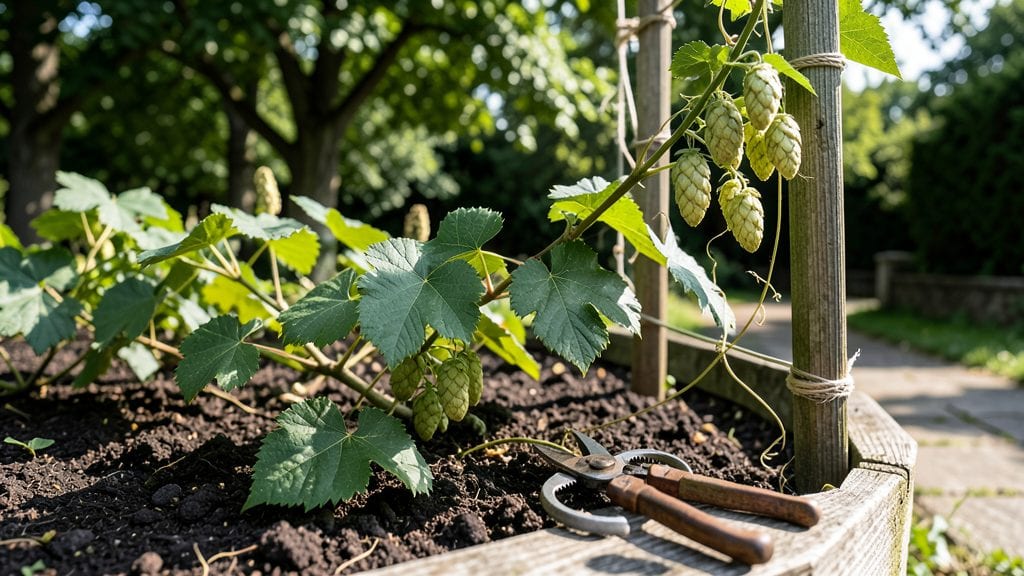
Beer and gardening create a powerful duo: spent grain adds nitrogen to soil, yeast accelerates compost breakdown, and hop residues naturally repel pests like slugs while strengthening plant defenses. Transform your homebrew waste into nutrient-rich mulch or compost for healthier gardens.
This unexpected pairing works because beer’s byproducts contain valuable nutrients plants crave.
The spent grain, packed with nitrogen, acts like a slow-release fertilizer, while yeast introduces beneficial microbes that improve soil structure. 🌱 Hop residues, often overlooked, contain compounds that deter pests while promoting root growth—making them a gardener’s secret weapon.
Many homebrewers already use these leftovers, but few realize how effectively they can replace synthetic fertilizers.
For best results, mix spent grain directly into compost piles or spread it as mulch around plants. The yeast and hop residues break down quickly, releasing nutrients over time.
Just avoid using heavily hopped beers on edible plants, as the bitter compounds might transfer flavors. This eco-friendly approach turns waste into a garden booster while reducing landfill contributions.
💡 In This Article
- How Brewing Waste Enhances Soil Fertility
- Practical Ways to Use Beer in Your Garden
How brewing waste enhances soil fertility
The real magic happens in the science of beer's leftovers. Spent grain—what remains after mashing—is a powerhouse of nutrients, particularly nitrogen (about 2-3% by weight), which plants crave for leafy growth.
This nitrogen content rivals that of traditional manure (typically 0.5-1.5% nitrogen) but releases more slowly, preventing the rapid burn that synthetic fertilizers often cause. The grain's coarse texture also improves soil aeration, creating ideal conditions for root development.
Here's what's actually happening underground: Yeast from the brewing process introduces beneficial microbes that accelerate organic matter decomposition. These microbes break down complex compounds into plant-accessible nutrients, a process called mineralization.
Studies show yeast-infused compost heats up faster than regular compost, reaching temperatures of 140-160°F within days—this kills weed seeds and harmful pathogens while creating a nutrient-rich environment. The hop residues add another layer, containing compounds like humulones that naturally repel pests while promoting root growth.
What most people don't realize is how these components work together. The nitrogen from spent grain feeds plants directly, while yeast microbes create a thriving soil ecosystem. This microbial activity boosts nutrient availability by up to 30% compared to untreated soil.
The hop compounds don't just deter pests—they also stimulate plant defenses, making crops more resilient to stress. This combination makes beer byproducts more effective than many commercial organic fertilizers.
Consider these nutrient comparisons to understand the value:
- Spent grain: 2-3% nitrogen, 1-2% phosphorus, 0.5-1% potassium (similar to alfalfa meal)
- Yeast: Contains B vitamins and enzymes that accelerate nutrient cycling
- Hop residues: Natural pest deterrent with mild fungicidal properties
The texture matters too. Spent grain's coarse, fibrous structure improves soil structure better than fine compost or manure, which can compact over time. When mixed into garden beds, it creates a loose, well-aerated medium that roots love.
The best results come from combining spent grain with other organic matter—like leaves or straw—to create a balanced compost blend that releases nutrients steadily over 3-6 months.
For maximum benefits, use spent grain fresh (within 24 hours of brewing) when it's most nutrient-dense. The yeast remains active longer, continuing to break down organic matter. This makes beer byproducts one of the most efficient organic fertilizers available—turning what was once waste into a garden superfood. 🌱