Planting
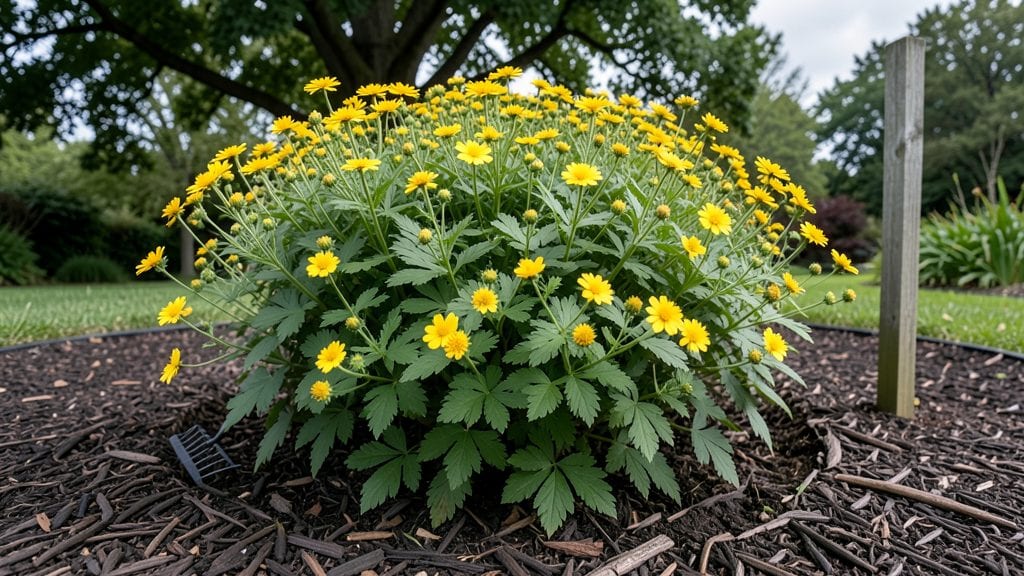
Zone 4 gardening thrives with perennials like coneflowers, black-eyed Susans, and Russian sage, which endure subzero temperatures and thrive in short growing seasons with proper soil prep and mulching. Focus on hardy varieties like lavender, sedum, and catmint for year-round resilience.
Gardening in Zone 4 means choosing plants that can handle brutal winters, and the key is selecting cold-hardy perennials that naturally adapt to freezing temperatures. 🌱 These plants develop deep root systems to access moisture below the frost line and produce antifreeze proteins that protect their cells from ice damage.
The right soil amendments—like compost and organic matter—improve drainage and insulation, while mulching in late fall adds an extra layer of protection against temperature swings.
What sets Zone 4 perennials apart is their ability to enter dormancy early, conserving energy until spring. For example, hellebores bloom in late winter when most plants are still dormant, while asters provide late-season color before frost sets in.
These plants not only survive but often thrive with minimal intervention, making them perfect for gardeners who want beauty without the high-maintenance upkeep.
💡 In This Article
- How Cold-Hardy Perennials Survive Zone 4 Winters
- Best Zone 4 Perennials for Low-Maintenance Landscapes
How cold-hardy perennials survive Zone 4 winters
Here's what's actually happening inside these resilient plants: they produce specialized proteins called antifreeze proteins that prevent ice crystals from forming in their cells.
These proteins, similar to those found in Arctic fish, bind to ice nuclei and inhibit crystal growth, allowing the plant to remain flexible even at -20°F to -30°F.
For example, hellebores contain high concentrations of these proteins, which is why they often bloom through light snow—something few other perennials can achieve. 🌨️
The key factor is their deep root systems, which can extend 3-5 feet below the surface. These roots access moisture from deeper soil layers where temperatures remain above freezing, even when surface soil is completely frozen.
Russian sage, for instance, develops a taproot that stores nutrients and water, allowing it to regenerate quickly in spring. Compare this to shallow-rooted annuals that rely entirely on surface moisture—once frozen, they're effectively dead.
Dormancy triggers are another critical adaptation. Cold-hardy perennials like asters and sedum use photoperiodism—they detect shortening daylight hours in late summer—as their signal to stop growing and enter dormancy. This timing ensures they're fully hardened off before the first frost, typically around October 15th in most Zone 4 regions.
The plants then enter a state of metabolic slowdown, conserving energy until temperatures rise again in spring. This biological clock is why these plants often bloom earlier than annuals planted from seed each year.
Soil insulation plays a supporting role in this survival strategy. Organic matter in the soil—like decomposed leaves or compost—creates tiny air pockets that act as natural insulation. When you add 3-4 inches of mulch in late fall, you're essentially creating a protective blanket that moderates temperature swings.
Studies show that properly mulched beds can maintain 5-10°F warmer temperatures at the soil surface compared to bare ground, which is crucial for protecting those delicate root systems during extreme cold snaps.
What most people don't realize is how these plants manage water during dormancy. Many cold-hardy perennials, like catmint, produce antioxidant compounds that protect their cell membranes from freezing damage. These compounds also help regulate water movement, preventing dehydration even when soil moisture is scarce.
The result? Plants that can survive winter with 30-50% less water than they would need during active growth, making them incredibly drought-tolerant once established.
Consider the case of asters, which often bloom in late summer and fall. Their survival strategy involves a two-phase approach: they develop hardy seed heads that can withstand freezing, while their roots remain active until the ground freezes solid.
This dual system ensures that even if the foliage dies back, the plant maintains a reserve of energy for next year's growth. The same principle applies to sedum, whose thick, succulent leaves store water and nutrients that keep the plant viable through winter.
For gardeners, understanding these adaptations means you can create microclimates that extend the growing season. Planting in south-facing locations where walls absorb and radiate heat, or using rock gardens that drain quickly after freeze-thaw cycles, can give these perennials an extra survival advantage.
The science behind these strategies shows that even in Zone 4's harshest winters, with the right plant choices and a little strategic planning, you can have a garden that thrives year after year. 🌿