Pests
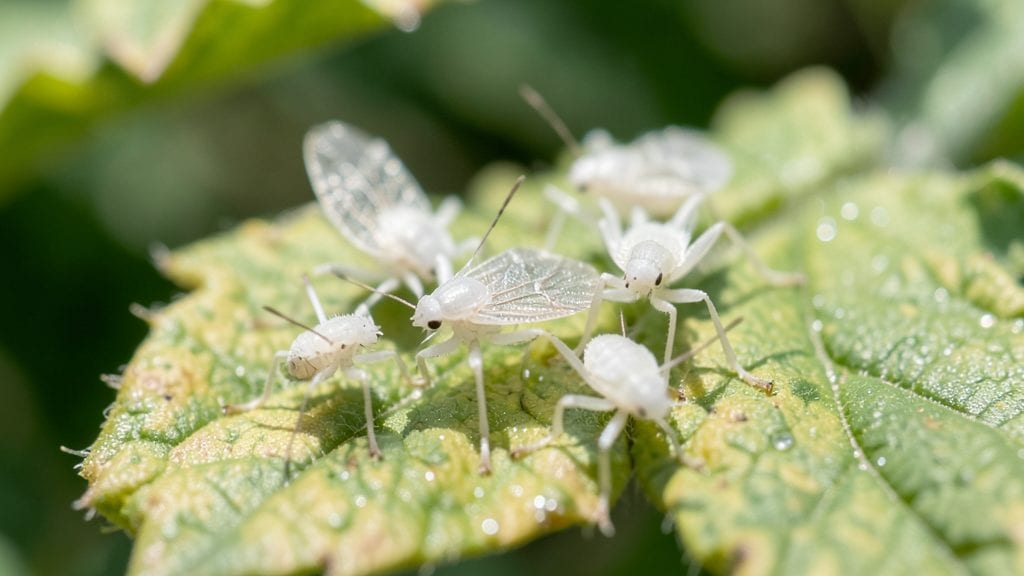
Whiteflies in your garden are the tiny white pests that turn leaves sticky and stunt plant growth. 🌿 I’ve battled them enough to know neem oil isn’t just a spray—it’s the game-changer that actually works when applied right.
The key is timing, coverage, and consistency, not just slapping on a bottle of oil.
These little bugs thrive in warm weather, clustering on the undersides of leaves where they suck plant sap. Most sprays miss them because they hide, but neem oil disrupts their life cycle at every stage—eggs, nymphs, and adults.
You’ll see results within a week if you spray thoroughly, especially early in the morning when they’re most active.
What you’ll end up with is plants that stop wilting, new growth that stays vibrant, and no more sticky residue on your leaves. The best part? Neem oil is safe for most plants and beneficial insects when used correctly.
Just don’t skip the reapplication after rain or every 5-7 days until the infestation clears.
This method works for vegetables, herbs, and ornamentals alike, whether you’re dealing with a small patch or a full garden. The secret is patience—whiteflies don’t disappear overnight, but they’ll be gone for good with the right approach.
Root Causes Of Whitefly Infestations
Whiteflies may seem like tiny, harmless pests fluttering around your garden, but their presence is rarely accidental. Understanding why they invade your plants is the first step to preventing and eliminating them. These sap-sucking insects thrive under specific conditions, often exploiting weaknesses in your garden’s ecosystem.
Below, we break down the key reasons whiteflies take over your garden—and how you can address them before they become a full-blown problem.
Whiteflies are drawn to plants that are weak, overcrowded, or nutrient-deficient. When plants struggle—whether from poor spacing, lack of sunlight, or inadequate care—they release volatile organic compounds (VOCs) that signal distress. These chemical cues act like a dinner bell for whiteflies, attracting them in swarms.
- Why it happens:
- Poor air circulation in dense plantings creates a humid microclimate, perfect for whitefly reproduction.
- Nutrient deficiencies (especially nitrogen or potassium) weaken plants, making them easier targets.
- Overwatering or underwatering stresses roots, reducing the plant’s ability to fend off pests.
- Actionable fix:
- Prune plants to improve airflow and remove yellowing or damaged leaves.
- Test soil pH and amend with compost or organic fertilizer to boost plant health.
- Space plants appropriately to reduce humidity pockets where whiteflies thrive.
Whiteflies love heat and moisture—ideal conditions for their rapid life cycle. A single female can lay hundreds of eggs in her lifetime, and high humidity helps these eggs hatch faster.
If your garden stays warm and damp (especially in summer or greenhouses), you’re essentially rolling out the red carpet for whiteflies.
- Why it happens:
- Greenhouses and conservatories trap heat and humidity, creating a whitefly paradise.
- Southern climates or urban heat islands provide year-round warmth, allowing whiteflies to reproduce continuously.
- Irrigation practices (like overhead watering) keep foliage damp, encouraging egg development.
- Actionable fix:
- Use shade cloth in greenhouses to reduce heat buildup.
- Water plants at the base (not leaves) to minimize humidity on foliage.
- Increase ventilation in enclosed spaces to disrupt their breeding cycle.
Healthy plants produce natural repellents and attract beneficial predators (like ladybugs or lacewings) that keep whitefly populations in check. But when plants are compromised—by disease, pests, or poor growing conditions—they lose this protective advantage.
- Why it happens:
- Previous pest infestations (e.g., aphids or spider mites) weaken plants, making them more susceptible to whiteflies.
- Fungal or bacterial infections (like powdery mildew) create entry points for whiteflies.
- Chemical pesticides kill beneficial insects, removing the plant’s natural defense squad.
- Actionable fix:
- Introduce companion plants like marigolds, basil, or dill, which repel whiteflies naturally.
- Encourage pollinators and predators by planting neem, alyssum, or fennel.
- Avoid broad-spectrum pesticides; opt for targeted organic solutions (like neem oil) to preserve beneficial insects.
Whiteflies excrete sticky honeydew as they feed, which attracts ants and fosters sooty mold—a black, fuzzy fungus that coats leaves. This isn’t just an aesthetic nightmare; it blocks sunlight, further stressing plants and creating a feedback loop that invites more whiteflies.
- Why it happens:
- Ants are drawn to honeydew and protect whiteflies in exchange for their sugary secretions.
- Sooty mold thrives in sticky, sugary environments, spreading rapidly on weakened plants.
- Neglected gardens allow honeydew to accumulate, signaling to whiteflies that the plant is an easy meal.
- Actionable fix:
- Disrupt ant trails with diatomaceous earth or vinegar sprays to break their whitefly protection racket.
- Clean leaves regularly with a damp cloth to remove honeydew before mold takes hold.
- Prune heavily infested areas to reduce food sources for both whiteflies and ants.
Whiteflies don’t just appear out of nowhere—they’re opportunists exploiting garden weaknesses. By addressing plant health, climate control, and ecosystem balance, you can starve them out before they become a major problem. The good news? Neem oil and natural predators can turn the tide—once you cut off their advantages.
Natural Fixes for Stubborn Garden Pests
Whiteflies may seem like a tiny, harmless nuisance, but their rapid reproduction and plant-sap-sucking habits can quickly turn your garden into a stressed, sticky mess. The good news? You don’t need harsh chemicals to reclaim your green space.
Below, we’ve mapped out practical, cause-specific solutions—from immediate fixes to long-term prevention—so you can tackle these pests naturally and keep your garden thriving.
If your plants are already covered in whiteflies (or you’re seeing sticky residue on leaves), act quickly with these high-impact tactics:
🍳 Neem Oil Spray: The Ultimate Natural Insecticide
Neem oil isn’t just a buzzword—it’s a powerhouse for whiteflies. Derived from the neem tree, it disrupts their life cycle while being safe for most plants (and pets, once dry).
Here’s how to use it effectively: - Mix it right: Combine 1 tbsp neem oil + 1 tsp mild liquid soap (like Castile) + 1 quart of water.
The soap helps the oil stick to leaves. - Spray thoroughly: Focus on the undersides of leaves (where whiteflies hide) and stems.
Reapply every 5–7 days until they’re gone. - Best time to spray: Early morning or late evening to avoid harming beneficial insects like ladybugs. - Pro tip 💡: Add a few drops of horticultural oil for extra potency in severe cases.
👨🍳 Yellow Sticky Traps: Lure and Trap
Whiteflies are attracted to yellow, so DIY traps can reduce populations fast. Here’s how: 1. Cut yellow cardboard or plastic into strips (or use pre-made traps).
- Coat them with non-toxic sticky glue (available at garden centers).
- Hang them near infested plants—they’ll get trapped in 24–48 hours.
- Replace traps weekly to maintain effectiveness.
🥘 Water Blast: Flush Them Away
For light infestations, a strong water spray can dislodge adults and nymphs:
- Use a hose with a nozzle or spray bottle to blast leaves from all angles.
- Do this every 2–3 days until you see a decline.
- Best for: Young plants or early-stage outbreaks.
An ounce of prevention is worth a pound of cure. Once you’ve eliminated whiteflies, keep them from returning with these low-effort strategies:
🌡️ Maintain Plant Health: Strong Plants Repel Pests
Whiteflies target stressed or weak plants.
Keep your garden robust with: - Regular watering: Deep water 1–2 times per week (avoid overhead sprinkling, which can spread eggs). - Balanced fertilizer: Use a slow-release organic fertilizer (like compost or fish emulsion) to boost plant resilience. - Prune properly: Remove yellowing or damaged leaves—these attract pests.
🎯 Introduce Beneficial Insects: Nature’s Pest Control
Ladybugs, lacewings, and parasitic wasps (like Encarsia formosa) devour whiteflies.
Attract them with: - Plant companion flowers: Marigolds, alyssum, and dill lure beneficial bugs. - Purchase predators: Buy lacewing larvae or ladybugs from garden centers and release them near infested areas. - Avoid pesticides: Even "organic" sprays can harm these helpers—save neem oil for outbreaks only.
🔪 Barrier Methods: Keep Them Out
- Row covers: Use fine mesh netting over young plants to block adults from laying eggs.
- Reflective mulch: Silver or aluminum mulch confuses whiteflies (they’re drawn to blue/yellow but repelled by shiny surfaces).
- Copper tape: Wrap it around potted plants—whiteflies dislike the metal’s electrical charge.
Whiteflies thrive in cluttered, neglected gardens.
Keep your space uninviting with: - Clean up debris: Remove fallen leaves, weeds, and plant trash where eggs hide. - Rotate crops: Avoid planting sensitive crops (like tomatoes, peppers, or squash) in the same spot yearly. - Monitor regularly: Check undersides of leaves weekly—early detection = easier eradication.
Remember: Whiteflies are opportunistic, but with consistent action, you can outsmart them. Start with neem oil + sticky traps, then build prevention habits—your garden will thank you! 🌿💚
Frequently asked questions
What do whiteflies look like up close?
Whiteflies are tiny, 1/16-inch white insects with fringed wings that flutter rapidly when disturbed. They resemble miniature moths and often cluster on the undersides of leaves, where their white color makes them hard to spot against pale foliage.
How long does it take for neem oil to kill whiteflies?
Neem oil disrupts whitefly life cycles, but you won’t see immediate results. With consistent application (every 5–7 days), you’ll notice a decline in adults within 7–10 days and full eradication in 2–3 weeks. Reapply after rain or heavy watering.
Can whiteflies survive winter in my garden?
In cold climates, whiteflies typically die off during winter, but their eggs can survive on plant debris or weeds. To prevent a spring resurgence, clean up garden debris in fall and consider row covers for sensitive plants during dormancy.
Why do I keep getting whiteflies even after treatment?
Persistent infestations often mean new adults are migrating from nearby plants or eggs are hatching from untreated areas. Check hidden spots (like leaf axils), treat all plants in the vicinity, and introduce beneficial insects like ladybugs to break the cycle.
Are whiteflies harmful to humans or pets?
No, whiteflies don’t bite humans or pets, but their honeydew secretion can cause sooty mold on surfaces like patios or outdoor furniture. For pets, neem oil is safe once dry, but avoid spraying directly on them or their food areas.