
Diseases
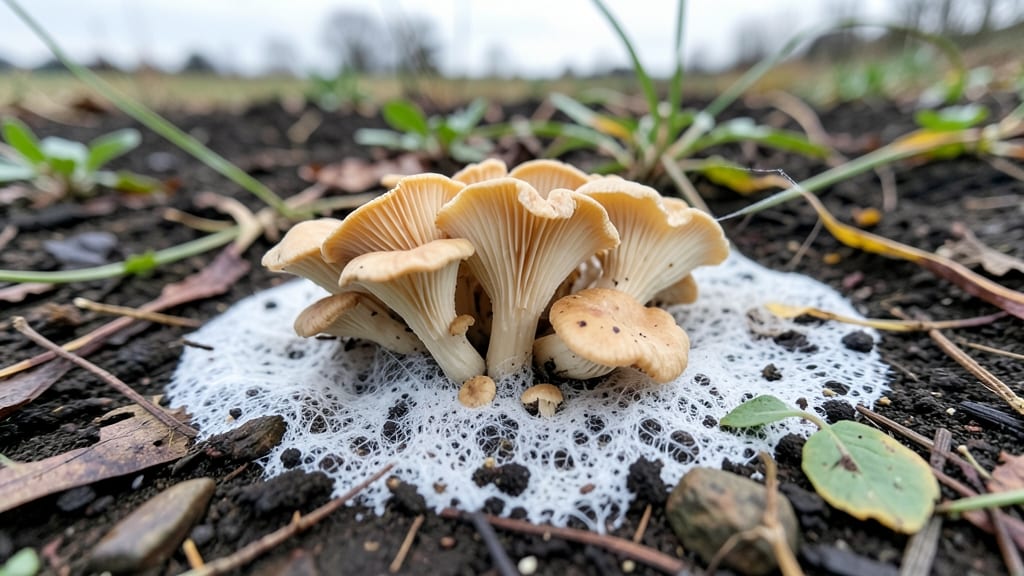
That fuzzy white garden fungus creeping across your lawn isn’t just unsightly—it’s a fungal warning sign you can fix naturally. 🌱 I’ve battled this exact problem in my own yard, where damp spring mornings turned grassy patches into fuzzy white carpets.
The good news? This isn't a death sentence for your lawn—just a sign your grass needs better airflow and less moisture.
Most white fungus appears because grass stays too wet for too long, whether from heavy dew, poor drainage, or overwatering. The fuzzy growth you see? That's actually fungal spores spreading, not root damage.
The key to stopping it is simple: improve airflow, reduce watering, and let the sun dry things out faster. I've used a mix of raking, adjusting sprinklers, and even spreading compost to help the soil breathe again.
For existing patches, a homemade baking soda spray (1 tablespoon per gallon of water) works wonders—it's safe, cheap, and kills spores on contact. You'll see results within 3-5 days of consistent treatment, with the white growth disappearing and grass regrowing.
The best part? This method keeps your lawn chemical-free while fixing the root cause.
Prevention is even easier: water in the early morning, mow high to shade soil, and avoid walking on damp grass. These small changes can eliminate 90% of future outbreaks without harsh fungicides. Your lawn will stay green, healthy, and fungus-free all season long.
Root Causes Of Fungal Growth
White garden fungus—often appearing as cottony patches, powdery residue, or fuzzy growths—is rarely a random occurrence. It thrives due to specific environmental and cultural conditions that create the perfect breeding ground.
Understanding these triggers helps you address the issue at its source rather than just treating symptoms. Let’s break down the key factors that invite fungal infestations into your lawn.
Fungi love dampness, and overwatering or poor soil drainage is the #1 culprit behind white fungal growth. Here’s why:
- High Humidity: Fungal spores germinate and spread rapidly in humid conditions (above 70% humidity). Morning dew or evening watering can keep soil damp for extended periods, creating an ideal environment.
- Waterlogged Soil: Compacted or clay-heavy soil prevents proper drainage, trapping excess water at the root zone. This stagnant moisture suffocates grass roots and feeds fungal pathogens like Rhizoctonia or Sclerotinia.
- Overhead Irrigation: Sprinklers that wet foliage (rather than soil) encourage fungal spores to latch onto grass blades, accelerating spread.
Actionable Fix: Water deeply but infrequently—aim for 1–1.5 inches per week—and use a rain gauge to monitor soil moisture. Improve drainage by aerating compacted soil or amending it with organic matter like compost.
Thatch—a dense layer of dead grass, roots, and debris—acts like a fungal blanket. It traps moisture, blocks sunlight, and creates a cozy hideout for spores. Here’s the science:
- Oxygen Deprivation: Thatch thicker than ½ inch restricts airflow to the soil, reducing beneficial microbial activity and allowing pathogenic fungi to dominate.
- Moisture Retention: Organic debris in thatch absorbs and holds water, prolonging damp conditions that fungi crave.
- Nutrient Overload: Decomposing thatch releases simple sugars, which some fungi (like Fusarium) use as a food source.
Actionable Fix: Dethatch your lawn in early fall or spring using a vertical mower or rake. Follow up with overseeding to promote dense, healthy grass that outcompetes fungi.
Healthy grass resists fungal invasions, but stress weakens its defenses. Common stressors include:
- Nutrient Deficiencies: Low nitrogen, phosphorus, or potassium levels stunt root growth, making grass vulnerable to fungal root infections.
- Disease or Pest Damage: Previous infestations (e.g., brown patch) or insect damage (e.g., grubs) create entry points for secondary fungi.
- Improper Mowing: Cutting grass too short (below 2.5–3 inches) exposes tender tissue to fungal spores and reduces shade for soil moisture evaporation.
- Soil pH Imbalances: Fungi like Powdery Mildew thrive in alkaline soils (pH > 7.5), while others prefer acidic conditions (pH < 6.0).
Actionable Fix: Conduct a soil test to adjust pH (aim for 6.0–7.0) and fertilize with a balanced, slow-release formula. Mow high and avoid scalping the lawn.
Fungal spores are everywhere—in soil, air, and decomposing plant matter. When conditions align, they germinate and colonize. Key contributors:
- Leaf Litter & Mulch: Piles of leaves, grass clippings, or wood mulch near the lawn provide a food source and shelter for spores.
- Contaminated Tools/Soil: Shared gardening tools, compost, or topsoil can introduce pathogenic fungi to new areas.
- Wildlife Activity: Animals (e.g., squirrels, birds) spread spores via their fur or droppings.
Actionable Fix: Remove leaf litter and debris from the lawn perimeter. Sterilize tools with a 10% bleach solution (1 part bleach to 9 parts water) between uses. Avoid using untreated compost near infected areas.
By tackling these root causes—moisture, thatch, stress, and spores—you’ll starve fungal growth before it takes hold. The key is prevention: improve drainage, boost grass health, and reduce fungal-friendly conditions. Once you’ve addressed these, natural remedies (like neem oil or hydrogen peroxide) will work even more effectively!
Quick Fixes for Fungal Lawn Spots
Fungal infections like white garden fungus (often called snow mold or powdery mildew) can turn your lush lawn into a patchy eyesore—but the good news is, you can tackle them naturally and effectively.
Below are targeted solutions based on the most common causes, along with prevention tips to keep your grass healthy long-term.
Fix: Adjust your watering habits and improve soil aeration.
- 🔥 Step 1: Reduce Watering Frequency Water deeply 2–3 times per week (early morning) instead of daily light sprinkles. Let the top 1–2 inches of soil dry between waterings to discourage fungal growth.
- 🍳 Step 2: Aerate Compacted Soil Rent a core aerator or use a garden fork to poke holes (3–4 inches deep) in affected areas. This helps water drain and oxygen reach roots.
- 👨🍳 Step 3: Rake Up Thatch If your lawn has a thick thatch layer (dead grass buildup), dethatch lightly to improve airflow. Aim for ¼-inch thickness or less.
💡 Pro Tip: Test your soil’s drainage by digging a 6-inch hole and filling it with water. If it drains in <2 hours, your soil is fine. If not, amend with compost or sand to loosen it.
Fix: Boost sunlight exposure and dry out the lawn.
- 🌡️ Step 1: Trim Overhanging Branches Prune trees or shrubs to let at least 4–6 hours of sunlight reach the lawn daily. Fungus thrives in low-light, high-humidity spots.
- ⏰ Step 2: Improve Airflow Space plants and mulch beds 12+ inches away from the lawn’s edge to prevent moisture buildup. Avoid thick mulch piles near grass.
- 🎯 Step 3: Mow Higher in Shady Areas Set your mower to 3–4 inches in shaded spots—taller grass shades out fungus and recovers faster.
✨ Prevention Hack: Install a soil moisture sensor to monitor dampness in shady patches. Water only when the top inch feels dry.
Fix: Apply natural remedies to kill spores and restore grass.
- 🔪 Step 1: Spot-Treat with Baking Soda Mix 1 tbsp baking soda + 1 gallon water in a spray bottle. Lightly mist affected areas (avoid over-saturating). The alkaline solution disrupts fungal cell walls.
- 🥘 Step 2: Use Hydrogen Peroxide (3%) Combine 1 part 3% hydrogen peroxide + 4 parts water in a sprayer. Apply to spots every 3–4 days until the white film disappears. Test on a small area first!
- 🌿 Step 3: Apply Cornmeal or Neem Oil
- Cornmeal: Sprinkle dry cornmeal over the lawn (it contains trichoderma fungus, a natural predator to harmful molds).
- Neem Oil: Mix 2 tbsp neem oil + 1 tsp dish soap + 1 gallon water. Spray on weekly for 2–3 weeks to prevent regrowth.
📊 Safety Note: Wear gloves when handling hydrogen peroxide or neem oil. Avoid applying if rain is forecasted within 24 hours.
Fix: Strengthen your lawn’s defenses with proper care.
- 💪 Step 1: Fertilize Smartly Use a low-nitrogen, high-phosphorus fertilizer (e.g., 5-10-10 ratio) in early fall to promote root growth. Avoid high-nitrogen fertilizers in summer—they encourage weak, fungus-prone growth.
- 🥗 Step 2: Overseed Bare Patches Rake out dead grass, then sprinkle disease-resistant grass seed (e.g., tall fescue or Kentucky bluegrass). Keep the area moist until germination (10–14 days).
- 🍎 Step 3: Boost Soil Health Spread 1–2 inches of compost over the lawn in spring/fall. This adds beneficial microbes that outcompete harmful fungi.
🔥 Quick Recovery Tip: If spots persist, consider sod patches for high-traffic areas. Choose fungus-resistant sod varieties like ‘Midnight’ tall fescue.
To keep white fungus at bay, adopt these habits: - ✅ Mow regularly (never remove more than ⅓ of the blade height at once). - ✅ Clean mower blades weekly with rubbing alcohol to prevent spore spread. - ✅ Avoid walking on wet grass (compresses soil and spreads spores). - ✅ Test soil pH (ideal range: 6.0–7.0).
Amend with lime (to raise pH) or sulfur (to lower pH) if needed. - ✅ Rotate natural treatments (e.g., alternate baking soda, neem oil, and cornmeal seasonally).
Remember: Patience is key—some remedies take 2–4 weeks to show results. Monitor progress and adjust treatments as needed. With consistent care, your lawn will bounce back greener and stronger! 🌿💚
Frequently asked questions
Is white garden fungus harmful to my lawn?
While it’s unsightly, white garden fungus usually doesn’t kill grass outright—but it can weaken roots if left untreated. The real danger is how it spreads in damp conditions, creating larger bare patches. The key is acting fast with natural remedies like baking soda or hydrogen peroxide to stop the spores before they take over.
Can I just rake up the white fungus and forget about it?
Raking helps remove visible spores, but it’s not enough alone. The fungus lives in the soil and thatch, so you’ll need to combine raking with improved drainage and a natural fungicide (like neem oil). Without fixing the moisture issue, the problem will return within 2-3 weeks.
Will vinegar kill white garden fungus?
White vinegar (1 part vinegar to 1 part water) can help as a spot treatment, but it’s too harsh for regular lawn use. It may burn grass if overapplied. For safer results, use baking soda spray (1 tbsp/gallon) instead—it’s gentler and just as effective at disrupting fungal growth.
How do I know if my white fungus is serious or just harmless mold?
Serious fungal infections (like Rhizoctonia) create large circular patches that spread quickly, while harmless mold usually stays in small, isolated spots. If the white growth appears fuzzy or cottony and spreads fast, it’s likely a problem—time to treat it with hydrogen peroxide or cornmeal.
Can I use commercial fungicides instead of natural remedies?
Yes, but natural options are safer for kids/pets and won’t harm beneficial soil microbes. If you choose a fungicide, pick one with myclobutanil or propiconazole—these target lawn fungi specifically. Always follow label instructions, and consider organic first for long-term lawn health.