
Tools
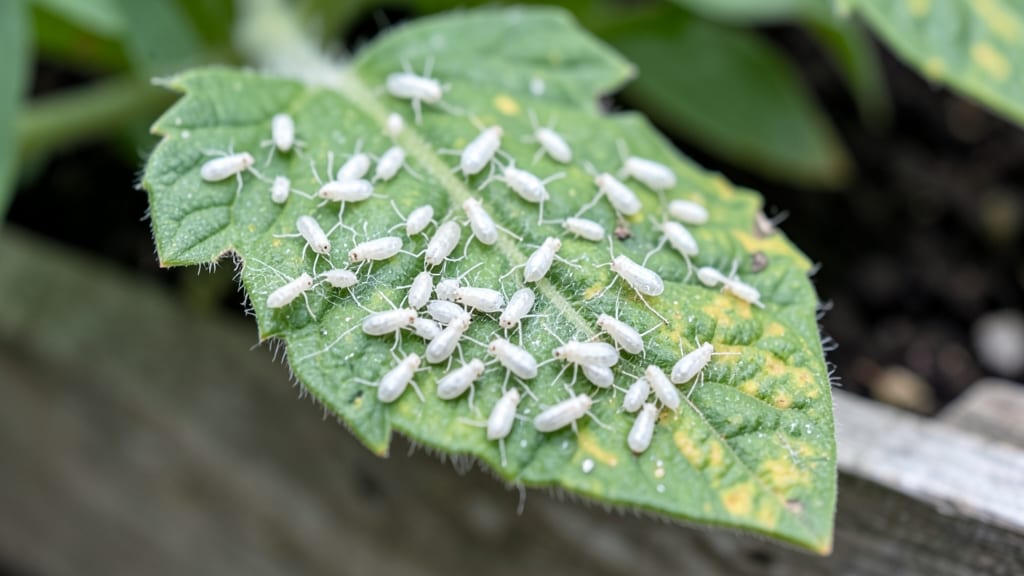
White bugs garden invaders like aphids and whiteflies can turn your lush plants into sticky, weakened messes in weeks. ✨ I’ve battled these pests for years, and the citrus-peel barrier method finally gave me the upper hand—no harsh chemicals, just natural defense.
The key is understanding their weak spots: they hate the scent of citrus and struggle to cross the peel barrier we create.
Most gardeners grab sprays first, but that’s overkill. Instead, focus on citrus peels (orange or lemon work best), water, and a little patience. You’ll need 3-5 peels per plant, a spray bottle, and 10 minutes to set up.
The peels break down slowly, releasing oils that repel pests while breaking their life cycle. This works for houseplants, veggie gardens, and even patio herbs.
Within 24-48 hours, you’ll notice fewer bugs clinging to leaves, and new growth stays crisp and healthy. The plants don’t just survive—they thrive, with bold green leaves and no sticky residue.
Plus, your neighbors will ask how you keep pests away so effortlessly. Ready to reclaim your garden the natural way?
This method adapts to any white bug infestation, from aphids on roses to whiteflies on tomatoes. Works in containers, raised beds, or in-ground gardens—just adjust the peel quantity for larger areas. No more losing plants to these tiny troublemakers.
Root Causes Of Tiny Invaders
Discovering white bugs in your garden can feel like an unwelcome surprise—especially when you’ve worked hard to cultivate a thriving space. These pests don’t just appear randomly; they’re drawn by specific conditions that make your garden an all-you-can-eat buffet.
Understanding why they show up is the first step to outsmarting them naturally. Let’s break down the science behind their uninvited visits.
White bugs—like aphids, mealybugs, or scale insects—are attracted to plants that are already struggling. When plants are overcrowded, they compete for sunlight, water, and nutrients, weakening their natural defenses. Similarly, stress from drought, poor soil, or disease makes them even more vulnerable.
Why does this happen?
- Weakened sap: Stressed plants produce sweeter, nutrient-rich sap, which is a magnet for sap-sucking pests. Think of it like a neon "Eat Me" sign in bug language.
- Reduced natural predators: Healthy gardens attract beneficial insects (like ladybugs or lacewings) that prey on white bugs. But when plants are struggling, these predators have fewer resources, leaving your garden more exposed.
- Root damage: Compacted or nutrient-poor soil can stunt root growth, making plants easier targets. Even minor root issues send distress signals that pests detect.
Actionable fix: Space plants properly, mulch to retain moisture, and amend soil with compost to reduce stress. A thriving plant is the best pest deterrent!
Some white bugs, like mealybugs and scale insects, are drawn to sticky residues left behind by other pests—like honeydew. This sugary substance isn’t just a nuisance; it’s an invitation for more insects to move in.
Why does this happen?
- Honeydew highways: Aphids and whiteflies excrete honeydew as they feed, creating a trail that attracts ants (who "farm" the pests) and other insects that thrive in sugary environments.
- Fungal growth: Honeydew can also lead to sooty mold, a black fungus that further stresses plants and makes them more appealing to pests.
- Chemical signals: Some bugs release pheromones that alert others to a "good feeding spot," turning a single infestation into a full-blown outbreak.
Actionable fix: Regularly wipe down leaves with a damp cloth to remove honeydew, and use citrus peels (as mentioned in the article) to disrupt these chemical signals naturally.
White bugs love clutter—whether it’s fallen leaves, dead plant debris, or unpruned branches. These hiding spots provide shelter, moisture, and easy access to fresh meals.
Why does this happen?
- Microclimates: Debris traps humidity, creating the perfect conditions for eggs to hatch and pests to thrive. Think of it like a cozy bug hotel.
- Dormant pests: Many white bugs overwinter in plant debris, emerging when conditions are ideal. A messy garden is like leaving the lights on for them.
- Spread via wind/water: Infested debris can carry pests to new plants, turning a small problem into a garden-wide epidemic.
Actionable fix: Clear away dead leaves, prune regularly, and avoid overwatering. A clean garden is a pest-repellent garden!
Now that you know why these tiny troublemakers show up, you’re one step closer to kicking them out for good—without chemicals. Stay tuned for natural solutions that work with your garden’s ecosystem!
Natural Ways to Outsmart Garden Pests
Got those pesky white bugs wreaking havoc in your garden? 🐛🌱 Don’t reach for harsh chemicals just yet—there are effective, eco-friendly solutions that work just as well (or better!).
Below, we’ve mapped out targeted fixes based on the most common causes of white bug infestations, along with prevention tips to keep your garden thriving long-term.
Before diving into fixes, know your enemy. White bugs in gardens are often one of these:
- Aphids (tiny, clustered, often on new growth)
- Mealybugs (fluffy, cotton-like, hiding in crevices)
- Whiteflies (tiny, winged, take flight when disturbed)
- Scale insects (stationary, waxy, resemble small bumps)
Pro tip: 💡 Use a magnifying glass or flashlight to inspect leaves and stems—some pests hide on the undersides!
1.
Citrus-Peel Barrier (Your Secret Weapon!) Since your article already highlights this, let’s double down on how to use it effectively: - How to apply: - Peel 2-3 citrus fruits (oranges, lemons, grapefruit) and chop them into small pieces. - Boil the peels in 1 quart of water for 15-20 minutes to extract oils. - Strain and let the liquid cool. - Transfer to a spray bottle and apply directly to infested areas (especially leaf undersides). - Why it works: 🌡️ The limonene in citrus peels disrupts pests’ exoskeletons and repels them naturally. - Frequency: Reapply every 3-5 days until pests disappear (usually 1-2 weeks).
Pro tip: ✨ Boost effectiveness by adding 1 tsp of dish soap (like Castile soap) to the mix—it helps the spray stick to bugs.
2.
Neem Oil Spray (The Heavy Hitter) Neem oil is a powerhouse for breaking pest life cycles. - How to make it: - Mix 1 tbsp neem oil + 1 tsp mild soap (like Castile) in 1 quart of water. - Shake well and spray evenly on all plant surfaces, including stems. - Why it works: 🔪 Neem oil interferes with insects’ ability to molt and reproduce. - Frequency: Apply every 7-10 days for prevention or daily for 3 days during outbreaks.
Pro tip: 🌡️ Test on a small leaf first—some plants (like citrus) can be sensitive to neem oil.
3.
Diatomaceous Earth (DE) for Crawling Pests Great for aphids, mealybugs, and scale that move slowly. - How to use: - Sprinkle food-grade DE lightly over infested plants (focus on soil and leaf crevices). - Avoid windy days—DE works best when dry. - Why it works: 🔪 DE is microscopic fossilized algae that dehydrates bugs on contact. - Frequency: Reapply after rain or watering (DE loses potency when wet).
Pro tip: 🎯 Use a duster for hard-to-reach spots like under leaves.
4. Companion Planting (Prevent Long-Term)
Some plants naturally repel white bugs. Plant these near your garden:
- Marigolds (deter aphids and whiteflies)
- Basil (keeps mealybugs away)
- Garlic & Onions (strong scent repels pests)
- Ladybugs’ favorite: 🐞 Alyssum (attracts beneficial predators)
Pro tip: 💡 Interplant these with your vulnerable crops (like tomatoes or citrus) for 24/7 protection.
An ounce of prevention is worth a pound of cure! Try these low-effort habits: - 🌱 Healthy Soil = Happy Plants: Weak plants attract pests. Use compost and balanced fertilizer to boost plant resilience. - 💦 Water Wisely: Avoid overhead watering (keeps leaves damp, inviting fungus and pests).
Water at the base in the morning. - 🧹 Clean Up Debris: Fallen leaves and dead plants are bug hotels.
Remove them weekly. - 🕷️ Encourage Predators: Install a small bird feeder or solar-powered bug zapper to attract ladybugs, lacewings, and spiders—they eat white bugs for breakfast! - 🍋 Rotate Barriers: If pests return, switch remedies every few weeks to avoid resistance.
If your garden is severely infested (e.g., whiteflies swarming or plants wilting), consider:
- Horticultural Oil Spray (for stubborn scale/mealybugs).
- Beneficial Nematodes (microscopic worms that kill pests in the soil).
- Professional Pest Control (last resort for organic gardens).
Final Thought: 🌟 With these natural, DIY fixes, you’ll outsmart white bugs without harming your plants (or the planet). Start with citrus peels and neem oil, then prevent future invasions with smart gardening habits. Your garden will be pest-free and thriving in no time!
Frequently asked questions
What types of white bugs are most common in gardens?
You’ll likely encounter aphids (tiny, clustered green/black bugs), mealybugs (fluffy white cotton-like pests), whiteflies (small winged insects that fly when disturbed), or scale insects (stationary, waxy bumps on stems). Check leaf undersides with a magnifying glass—they love hiding there!
How long does the citrus-peel barrier take to work?
You’ll see results within 24-48 hours—fewer bugs clinging to leaves—and full effectiveness in 1-2 weeks with consistent reapplication. The citrus oils disrupt their life cycle, so patience is key! For severe infestations, combine with neem oil for faster results.
Can I use citrus peels on all plants, or are some sensitive?
Citrus peels are safe for most plants, but avoid overapplying to citrus trees or herbs like dill and parsley, which may react poorly to concentrated oils. Always test a small leaf first, and dilute the spray if using fresh peels. The barrier method is gentler than chemical sprays, making it ideal for edible gardens.
Why do white bugs keep coming back after treatment?
Pests often return due to hidden eggs, new infestations from nearby plants, or untreated soil/hardware cloth. Rotate remedies (e.g., citrus peels → neem oil → diatomaceous earth) and check undersides of leaves weekly. Encourage natural predators like ladybugs by planting marigolds or alyssum!
Is this method safe for pets and kids?
Citrus peels and neem oil are non-toxic when used as directed. Just ensure kids/pets avoid direct contact with concentrated sprays. For extra safety, opt for organic neem oil and rinse edible plants 24 hours before harvest. Always store remedies out of reach.