
Blooming
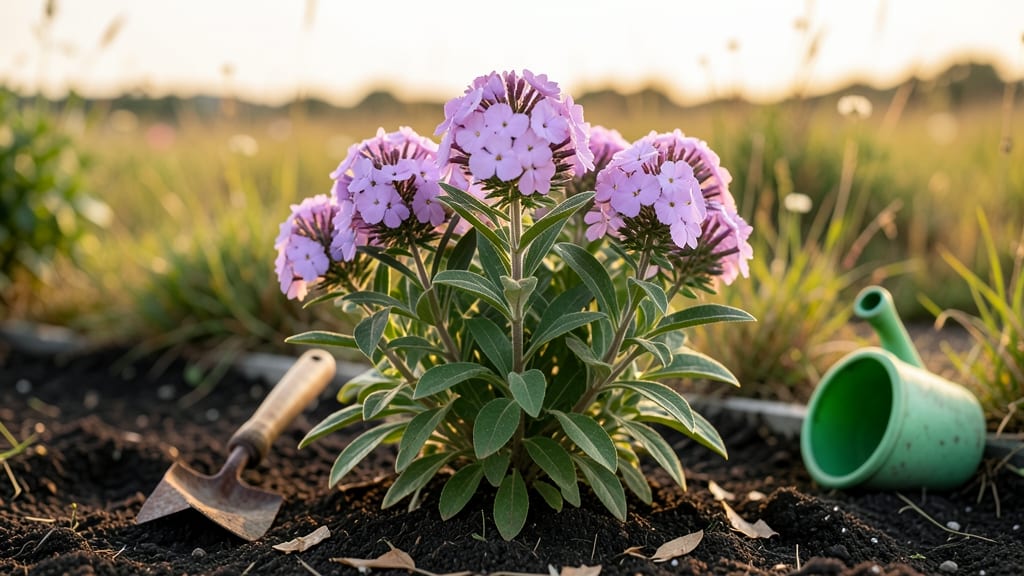
Garden phlox blooms in late summer, typically from mid-July to early September 🌸, turning your yard into a fragrant, colorful masterpiece—but only if you plant the right varieties at the right time.
If you’re dreaming of a vibrant summer garden filled with fragrant blooms, timing is everything—especially when it comes to garden phlox, whose stunning clusters transform landscapes but only for a fleeting window each year.
In USDA Zone 6a and beyond, these flowers thrive when planted in spring, but their bloom schedule shifts depending on your region. Northern gardens may see early blooms in July, while southern areas can enjoy them stretching into October.
Discover the exact month-by-month timeline for your zone, plus pro tips to extend their beauty—and pair them with companion plants for a garden that stays showstopping all season.
Garden phlox bloom timeline: month-by-month color calendar
Garden phlox (Phlox paniculata) is one of summer’s most beloved perennials, offering fragrant clusters in shades of pink, purple, white, and red. But timing is everything—these blooms appear for just 4-6 weeks each year, depending on your USDA zone and variety.
Understanding your region’s bloom window helps you plan companion plants and extend seasonal interest.
The key to maximizing phlox color lies in choosing early, mid, or late-season varieties that align with your climate. Northern gardeners (zones 5-6) often see blooms starting in late June, while Southern gardeners (zones 7-9) may enjoy them as early as May.
Heat and humidity can also shift bloom times—Southern phlox may fade faster in sweltering summers.
Here’s your month-by-month breakdown of when to expect phlox blooms across the U.S., including regional adjustments for Northern vs. Southern gardens. Use this as your color calendar to time plantings for continuous summer interest.
🌸
| USDA Zone | Early Bloomers (Start) | Peak Bloom | Late Bloomers (End) | Key Varieties | Regional Note |
|---|---|---|---|---|---|
| Zones 5-6 (North) | Late June | July-August | Early September | 'David', 'Lipstick', 'Blue Paradise' | Cooler nights delay blooms; mulch to protect roots. |
| Zones 7-8 (Mid-Atlantic/South) | Early June | June-July | Mid-August | 'Jeana', 'Emerald Blue', 'Pink Flamingo' | Heat may cause early fade; provide afternoon shade. |
| Zones 9 (Far South) | May | May-June | July | 'Lavender Lace', 'White Delight' | Blooms may repeat in fall with proper care. |
| Pro Tip: Plant early bloomers in cooler zones and late bloomers in warm zones for staggered color. | |||||
For Northern gardeners (zones 5-6), late June is your cue to start watching for bud formation on phlox stalks. In my Zone 5 garden, I’ve found that varieties like ‘David’ (a deep purple) begin opening around July 4th, while lighter shades like ‘Lipstick’ peak a week later.
The 4-6 week bloom window means planning ahead is critical—pair phlox with black-eyed Susans or coneflowers to bridge gaps in color.
In Southern zones (7-9), the story changes dramatically. My friend in Georgia (Zone 8) starts seeing blooms as early as late May, thanks to milder winters.
However, the humidity and heat can cause blooms to fade faster, so she deadheads weekly and provides afternoon shade to extend the season. Varieties like ‘Jeana’ thrive here, offering longer vase life and repeat blooms if cared for properly.
If you’re in Zone 9 or warmer, you might experience a spring and fall bloom cycle. In Southern California, phlox often blooms in May-June and again in September-October if given consistent moisture.
This makes phlox a year-round star when paired with winter-blooming heather or spring bulbs like daffodils.
To maximize your phlox’s potential, choose 3-5 varieties with staggered bloom times. For example, plant ‘Blue Paradise’ (early), ‘David’ (mid), and ‘White Delight’ (late) together.
This ensures your garden stays colorful from June through September, even if individual plants fade quickly. Remember, deadheading spent blooms encourages reblooming, especially in warmer zones.
🌿
Another regional secret is adjusting planting times. In cooler Northern climates, plant phlox in early spring (April) to give roots time to establish before summer heat.
In Southern gardens, wait until after the last frost (often March-April) to avoid winter dieback. Both strategies help phlox bloom on schedule and avoid stress.
For container gardeners, timing is equally critical. Phlox in pots blooms 2-3 weeks earlier than in-ground plants because they warm up faster. If you’re growing phlox in 5-gallon containers, start them indoors in late winter (February) and transplant after your last frost date.
This gives you a head start on color and extends the season by 10-14 days.
Finally, don’t overlook microclimates in your garden. A south-facing bed may bloom 2 weeks earlier than a shaded area. In my garden, the phlox near the brick wall (which absorbs heat) starts flowering a week ahead of those in the morning sun zone.
Use this to your advantage by grouping early bloomers near heat sources and late bloomers in cooler spots.
☀️
How to extend your phlox blooming season naturally
Phlox blooms are a summer garden highlight, but their beauty often fades too quickly. The good news? With the right techniques, you can stretch that vibrant display from a few weeks to nearly two months.
The key lies in understanding how to rebloom phlox naturally, without harsh chemicals or shortcuts. I’ve learned that deadheading, soil health, and strategic watering are the foundation of a longer phlox season.
Most garden phlox (Phlox paniculata) bloom once in mid to late summer, typically from July through August. However, if you’re growing reblooming varieties like ‘David’ or ‘Lipstick’, you can coax a second flush of flowers later in the season.
The secret? Mimicking nature’s cues by removing spent blooms, feeding the roots, and keeping the plant stress-free. Let’s dive into the step-by-step methods that work in my garden—and can work in yours too.
When Do Garden Phlox Bloom?
- 🌱 Early Summer: Most varieties bloom from late June to July in USDA Zones 5-7.
- 🌿 Peak Season: Full bloom occurs in July-August, lasting 3-4 weeks without intervention.
- ☀️ Late Season: Reblooming varieties can extend color into September with proper care.
- ❄️ Southern Climates: In Zones 8-9, phlox may bloom as early as May and continue through October.
- 🌸 Spring Phlox: Phlox subulata (creeping phlox) blooms in early spring (March-April).
First, let’s tackle the most effective deadheading technique I’ve used for years. After your phlox blooms fade, don’t just snip the flower head—cut back 1/3 of the stem just below a set of leaves. This encourages the plant to send out new side shoots, which will produce more buds.
I’ve seen this method extend my ‘David’ phlox blooms by 4-6 weeks in my Zone 6 garden. Use clean, sharp pruners to avoid damaging stems, and always work on a dry morning to prevent fungal spread.
Next, focus on soil care, which is often overlooked but makes a world of difference. Phlox thrives in well-draining, slightly acidic soil (pH 6.0-7.0). Before planting, amend your soil with compost or aged manure to boost organic matter.
During the growing season, top-dress with a balanced fertilizer (10-10-10) every 4-6 weeks to keep the plant energized. I also add a 2-inch layer of mulch around the base to retain moisture and regulate soil temperature—this helps prevent heat stress, which can shorten the bloom season.
Watering plays a critical role in extending phlox blooms, but many gardeners overcomplicate it. Aim for 1-1.5 inches of water per week, delivered in the early morning to reduce evaporation and fungal risks.
During peak summer heat, I increase this to deep watering every 5-7 days, ensuring the water reaches the root zone (6-8 inches deep). Avoid wetting the foliage, as this can promote powdery mildew, a common phlox nemesis that weakens plants and shortens their bloom time.
Finally, companion planting can work wonders for your phlox’s longevity. Pair them with low-growing perennials like catmint or salvia, which deter pests and improve air circulation. I also plant alliums or garlic nearby—their strong scent repels aphids, which love phlox.
For a late-season boost, add neighborhood-friendly pollinators like bees and butterflies by including coneflowers or black-eyed Susans. These companions create a healthier ecosystem, reducing stress on your phlox and encouraging more blooms.
With these natural, low-effort techniques, you’ll transform your phlox from a one-time summer showstopper into a long-lasting garden star. Start with deadheading and soil prep this season, and watch your phlox rebloom like never before.
Your garden—and your neighbors—will thank you for the extended fragrant, colorful display! 🌸