
Tools
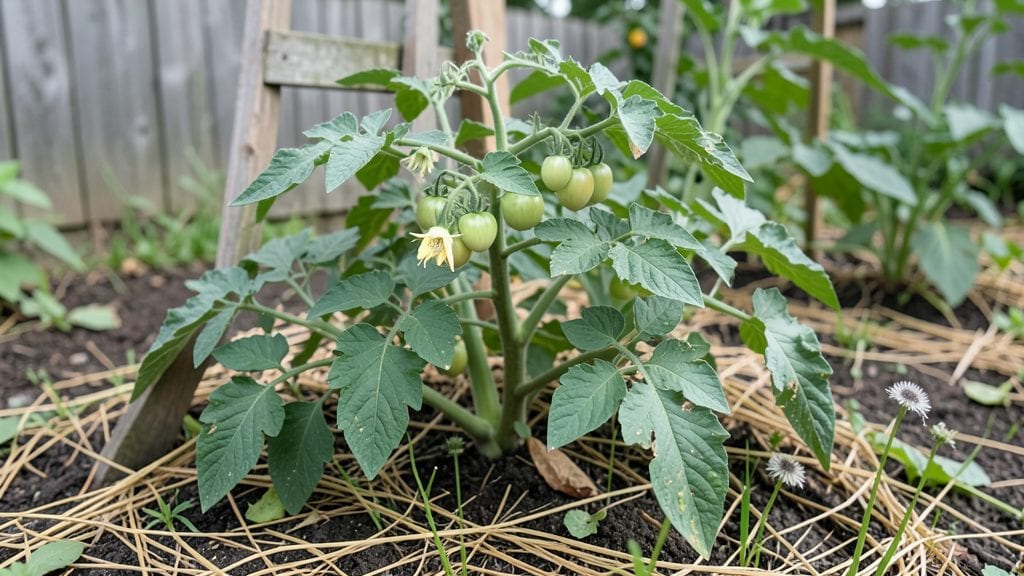
Your backyard summer garden can become a fragrant, sun-drenched retreat that thrives all season long—no matter how small the space. 🌿 I’ve designed summer gardens that block nosy neighbors while filling the air with jasmine, clematis, and honeysuckle, and the best part?
They require almost no extra work once established. The secret lies in climbing vines that grow fast, spread wide, and handle summer heat better than most annuals.
Start with a sturdy trellis or arbor near your seating area—something that can support 10-15 feet of growth by midsummer. Mix in fragrant climbers like star jasmine (for morning scent) and passionflower (for late-summer blooms), plus a few fast-growing vines like morning glory or black-eyed Susan vine for quick coverage.
These plants handle drought once rooted, and their blooms attract hummingbirds while keeping the air fresh.
By late June, you’ll have a living privacy screen that smells like a tropical garden and stays lush through September. The key is watering deeply once a week (not daily) and trimming leggy growth in early fall to encourage next year’s blooms.
Your backyard will feel like a hidden oasis, complete with shade and scent—without the fuss of fussy annuals.
Works for patios, fence lines, or even balcony railings—just adjust the trellis size to your space. Here’s how to pick the right vines for your climate and sunlight, plus the foolproof layout that keeps everything thriving all summer.
📚 In This Guide
- What you need
- Instructions
- Tips and common mistakes
- Wrapping up and next steps
What you need
- ● Climbing Vines (Seasonal Varieties): 1–3 Clematis plants (choose early, mid-, or late-blooming for continuous color)
- ● 1–2 Jasmine (Trachelospermum jasminoides) vines (for intoxicating fragrance)
- ● 1 Passionflower (Passiflora) or Morning Glory (Ipomoea) (fast-growing, budget-friendly options)
- ● Support Structures: 1–2 Trellises (6–8 ft tall, metal or wooden; e.g., blank">Arbor Arch or blank">Obelisk Trellis)
- ● OR 1–2 Pergolas or Arbors (for larger spaces; 8–10 ft wide)
- ● Twine or garden wire (for DIY vine training)
- ● Soil & Fertilizer: 5–10 lbs Compost (for nutrient-rich soil)
- ● 1 lb Balanced fertilizer (10-10-10 or organic options like fish emulsion)
- ● 1 Mulch bag (to retain moisture)
- ● Watering Supplies: 1 Hose with adjustable nozzle (or a drip irrigation kit for efficiency)
- ● 2–3 Watering cans (for seedlings)
- ● Pruning Tools: 1 Bypass pruners (for clean cuts)
- ● 1 Garden shears (for shaping vines)
- ● 1–2 Scented companion plants (e.g., Lavender, Rose, or Honeysuckle for layered fragrance)
- ● Solar-powered garden lights (to highlight vines at night)
- ● Outdoor seating or hammock (for ultimate relaxation under your green canopy)
- ● Decorative pots or planters (if container gardening)
- ● Vine-friendly pesticides (e.g., neem oil for pest control)
How to create a lush summer privacy screen with fragrant climbing vines
Here’s my go-to method for transforming bare fences into fragrant, sun-blocking living walls.
🌱 Step 1: Choose the Right Vine Varieties for Your Space
Pick four climbing vines that thrive in your sunlight conditions—two for full sun (like jasmine or passionflower) and two for partial shade (like clematis or hops). I always mix fast growers (hops) with slower, fragrant climbers (jasmine) to balance speed and scent. Check your fence material: wood or lattice works best for support, while smooth metal needs extra training hooks.
Space plants 6-12 inches apart along the fence line, depending on their mature spread. Jasmine vines need 8-10 inches of space, while clematis can stretch 12 inches. Plant deeper than the root ball—2-3 inches below soil level—to encourage strong root growth. The key here is patience: first-year growth focuses on roots, so don’t expect immediate coverage.
🪴 Step 2: Prepare the Planting Area for Fast Establishment
Dig a 12-inch deep trench along the fence line to loosen soil and improve drainage. Amend the native soil with 2-3 inches of compost mixed into the top 6 inches—this feeds roots without overwhelming them. I avoid heavy fertilizers at planting; too much nitrogen makes vines leafy but weak-stemmed, which can’t support their own weight.
Install support structures before planting. For wood fences, screw horizontal lattice strips every 2 feet vertically. For chain-link, attach plastic-coated wire mesh to create a climbing grid. This gives vines something to grip immediately, preventing flopping. Water each hole deeply before planting—1 gallon per plant—to settle the soil around roots.
☀️ Step 3: Train Vines Early for Maximum Coverage
Within 2-3 weeks of planting, new shoots will emerge. Here’s where training begins: tie the main stem to the support structure with soft garden twine (never wire—it cuts into tender stems). I like to use figure-eight knots to gently guide growth upward without restricting it. Watch for side shoots—these are your future branches, so encourage them by pinching off the top of the main stem when it reaches 12 inches tall.
Water deeply 2-3 times per week during the first 6 weeks, keeping soil 2-3 inches moist but never soggy. Overwatering here leads to root rot, which kills vines before they take hold. Mulch with 2-3 inches of shredded bark around each plant, keeping it 4 inches away from stems to prevent rot. This conserves moisture and keeps roots cool in summer heat.
✂️ Step 4: Prune and Maintain for Year-Round Privacy
By mid-summer, vines should be 6-8 feet tall if given proper care. Prune once in late spring (just before new growth) to shape the plant and remove weak or crossing branches. Cut back overly long vines to half their length in early spring—this forces bushier growth and prevents them from becoming top-heavy. For fragrant varieties like jasmine, deadhead spent blooms regularly to encourage more flowers.
Fertilize lightly in early summer with a balanced 10-10-10 formula, using only half the recommended dose. Too much nitrogen now means fewer flowers and more leaves. Watch for pests like aphids—they love new vine growth. Spray with neem oil at the first sign of sticky leaves, and repeat every 7-10 days until pests disappear. By fall, your vines should cover the fence completely, providing season-long privacy and fragrance.
⏰ Step 5: Winterize for Next Season’s Growth
Before the first frost, cut back all vines to 12-18 inches tall. This prevents wind damage and reduces the weight on support structures. Wrap young, tender vines (like passionflower) with burlap to protect them from freezing temperatures. Established vines like hops can handle winter exposure, but mulch heavily—4-6 inches of straw—to insulate roots. I always label plants with wooden stakes before winter, so I know which varieties to prune aggressively and which to leave alone.
In early spring, remove the mulch and prune again to shape the plant. Water sparingly until new growth appears—wait until shoots reach 4 inches tall before resuming regular care. With proper winter prep, your vines will recover faster and produce even more coverage the following summer.
Tips & tricks for perfect backyard summer privacy screens
These little-known strategies will help your fragrant climbing vines thrive and create that dreamy summer privacy screen faster than you'd expect.
Vine Selection Strategy: Don't just pick four random vines—pair fast growers with fragrant varieties. I always combine hops (which can cover 10-15 feet in a season) with jasmine (for that intoxicating scent). For partial shade areas, clematis adds beautiful blooms while still providing coverage. Pro tip: Buy plants from local nurseries—they're already acclimated to your climate and soil conditions.
Support System Secret: The key to preventing flopping vines is installing support structures before planting. For wood fences, I use 1x2 lattice strips screwed horizontally every 2 feet—they create perfect handholds for vines. For chain-link, attach plastic-coated wire mesh instead of trying to use the existing fencing. This gives your vines something to grip immediately, especially important during those first critical 2-3 weeks after planting.
Watering Wisdom: Those first 6 weeks are make-or-break for root establishment. I water deeply 2-3 times per week, but here's the trick: water at the base of the plant rather than overhead. This prevents fungal diseases and keeps the soil 2-3 inches moist without becoming soggy. I use a soaker hose for this—it delivers water right to the roots where it's needed most.
Pruning Payoff: The late spring pruning in Step 4 isn't just about shaping—it's about forcing bushier growth. When you cut back overly long vines to half their length, you're actually encouraging the plant to produce more side shoots, which means more foliage and faster coverage. For fragrant varieties like jasmine, I deadhead spent blooms regularly to redirect energy into new growth rather than seed production.
Pro Tips for Backyard Summer Garden
- These little-known strategies will help your fragrant climbing vines thrive and create that dreamy summer privacy screen faster than you'd expect.
- Vine Selection Strategy: Don't just pick four random vines—pair fast growers with fragrant varieties.
- Support System Secret: The key to preventing flopping vines is installing support structures before planting.
Frequently asked questions
Got questions about creating your dream backyard summer garden with fragrant climbing vines? You’re not alone! Here are answers to the most common concerns—so you can dive in with confidence.
What’s the best time to plant climbing vines for summer blooms?
For fastest results, plant in early spring (March–April) so vines have 3–4 months to establish roots before summer heat. If you’re starting later, opt for fast growers like jasmine or honeysuckle—they’ll still thrive with consistent watering. Avoid planting in peak summer (June–August) unless you’re in a cool-climate zone.
How often should I water climbing vines in summer?
Newly planted vines need daily watering for the first 2 weeks, then every 2–3 days (or more in extreme heat). Mature vines tolerate drought better but thrive with deep watering 2–3 times per week. Morning watering is best—it reduces evaporation and fungal risks. Mulch heavily (3–4 inches) to retain moisture.
What pests should I watch for in a climbing vine garden?
Common culprits include aphids, spider mites, and Japanese beetles, which love tender new growth. Neem oil or insecticidal soap works gently for early infestations. For beetles, handpick them (they’re slow!) or use milky spore as a natural deterrent. Ladybugs and lacewings are your allies—invite them with dill or fennel nearby!
Can I grow climbing vines in containers or small spaces?
Dwarf varieties like ‘Little Gem’ clematis or ‘Heavenly Blue’ morning glories
thrive in large pots (15+ gallons) with trellises. Use well-draining soil and fertilize monthly with a balanced liquid feed. Just ensure containers get 6+ hours of sun and regular watering. Vertical planters are perfect for balconies or small yards!
How do I keep vines fragrant all summer long?
Fragrance fades when vines stress from heat or drought. Prune lightly in early summer to encourage new growth (but avoid heavy cuts—it reduces blooms). Deadhead spent flowers to prompt more blooms. For extra scent, plant companion flowers like roses or lavender nearby—their oils enhance the aroma. Water deeply at dusk to boost nighttime fragrance (many vines, like jasmine, perfume the air best after dark!).
Wrapping up and next steps
Creating a backyard summer garden with fragrant climbing vines isn’t just about adding beauty—it’s about crafting a serene, private retreat that thrives all season long.
From selecting the right plants to troubleshooting common challenges, you now have the tools to turn your space into a lush, aromatic oasis. Don’t wait—start small, experiment, and watch your garden grow!
Next steps:
- Pick one or two vines to begin with and gather your supplies.
- Skim our FAQ section for quick tips before you plant.
- Share your progress (or blooms!) with #SummerGardenVibes—we love seeing your green thumbs in action!