Lawn
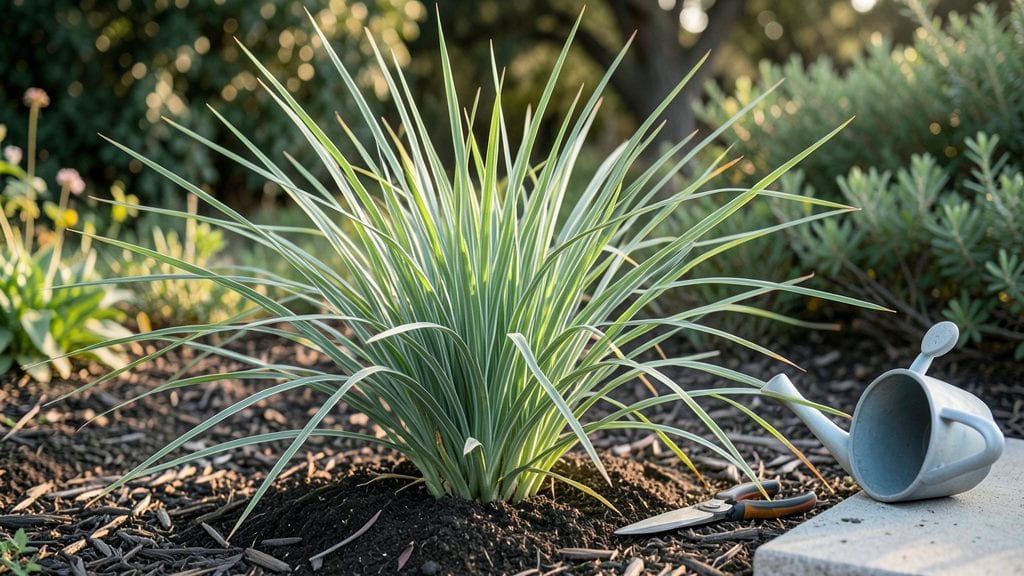
"Growing lemon grass in the garden means fragrant air and kitchen-ready stalks just steps from your door. 🌱 I planted my first clump three years ago, and now it spreads like a living air freshener—no chemicals, just pure citrusy scent that repels mosquitoes naturally.
The secret isn’t fancy soil or perfect timing; it’s matching this tropical plant to the right spot where it can thrive without fuss.
Lemon grass loves warmth and moisture, so zones 9-11 are ideal, but with containers, you can grow it anywhere. Plant in well-draining soil with partial sun—morning light and afternoon shade works best in hotter climates.
The stalks grow 3-5 feet tall, and the more you harvest, the bushier it gets. My first year, I barely got a dozen stalks; now I harvest 20-30 at a time without breaking a sweat.
You’ll notice the scent strongest when you crush a leaf—like a burst of fresh lemonade without the sugar. The roots spread slowly, so dividing clumps every 2-3 years keeps them vigorous.
Use the stalks fresh in stir-fries, teas, or as a natural pest repellent. The ornamental value alone makes it worth growing, but the culinary uses? That’s where it really shines.
Container growers can keep lemon grass potted for years, while in-ground plants may naturalize in warm climates. Either way, it’s one of those plants that rewards patience with zero effort once established. Ready to grow your own fragrant, functional garden staple?"
📚 In This Guide
- What you need
- Instructions
- Tips and common mistakes
- Wrapping up and next steps
What you need
- ● Lemon grass plants or seeds: 3–5 healthy Cymbopogon citratus plants (from a nursery or online) or
- ● 1 packet of organic lemon grass seeds (50–100 seeds, depending on yield goals).
- ● Well-draining potting mix or garden soil: 5–10 gallons of sandy loam (pH 5.5–6.5) for in-ground planting or
- ● 3–5 gallons of cactus/succulent mix (if container-grown).
- ○ Containers (optional but recommended for colder climates): 2–3 large pots (12–18 inches deep) with drainage holes.
- ● Basic gardening tools: Trowel or small shovel
- ○ Garden gloves (optional but helpful!)
- ● Watering can or hose with a gentle spray nozzle
- ● Fertilizer: Balanced organic fertilizer (10-10-10 or compost tea) for planting.
- ● Mulch: Straw or wood chips to retain moisture and suppress weeds.
- ● Epsom salt: 1 tablespoon per gallon of water (monthly) for extra magnesium.
- ● Pruning shears: For trimming mature stalks (harvesting!).
- ● Shade cloth (30–50% coverage): If your climate gets scorching afternoons.
- ● Drip irrigation system: For consistent moisture (especially in dry climates).
Step-by-step guide to planting and cultivating lemon grass
Here's how to establish this fragrant perennial with minimal fuss—it rewards patience with bold, citrusy foliage.
🌱 Step 1: Select and Prepare Planting Sites
Lemon grass thrives in full sun—choose a location receiving at least 6-8 hours of direct sunlight daily. The plant tolerates a range of soil types but performs best in well-draining, slightly acidic soil with a pH between 5.5 and 6.5. If your soil is heavy clay, amend it with 2-3 inches of compost mixed into the top 12 inches of soil before planting.
Dig a hole twice as wide as the lemon grass root ball but only as deep as the container it came in. Gently loosen the roots if they’re circling tightly—this encourages outward growth. Place the plant in the hole and backfill with soil, pressing lightly to eliminate air pockets. Water deeply to settle the soil and encourage root contact.
💧 Step 2: Water and Mulch for Optimal Growth
Lemon grass needs consistent moisture, especially during its first growing season. Water 1-2 inches per week, ensuring the soil remains evenly damp but not waterlogged. You’ll know it’s right when the top 1-2 inches of soil feel moist to the touch but not soggy. Overwatering can cause root rot, so always check moisture levels before watering again.
Apply a 2-3 inch layer of organic mulch—such as shredded bark or straw—around the base of the plant, keeping it 2-3 inches away from the stem. Mulch helps retain soil moisture, suppresses weeds, and regulates soil temperature. Refresh the mulch layer every 3-4 months to maintain its effectiveness.
☀️ Step 3: Fertilize and Monitor for Pests
Feed lemon grass with a balanced, slow-release fertilizer (10-10-10 ratio) in early spring, just as new growth begins. Apply ½ cup per plant, working it into the top 2 inches of soil. Avoid high-nitrogen fertilizers, which promote leafy growth at the expense of the fragrant stalks. Repeat the feeding in mid-summer to support continued vigor.
Keep an eye out for aphids, spider mites, or mealybugs, which occasionally target lemon grass. If you spot pests, spray the plant with a soapy water solution (1 tablespoon mild dish soap per gallon of water) or introduce beneficial insects like ladybugs. Strong, healthy plants rarely suffer severe infestations, so proper care is your best defense.
✂️ Step 4: Prune and Harvest for Long-Term Productivity
Harvest lemon grass 3-4 times per year, cutting the stalks 4-6 inches above the ground when they reach 12-18 inches tall. Use sharp scissors or pruners to make clean cuts, which encourage bushier regrowth. The best time to harvest is late spring or early summer, just before flowering, when the essential oils are most concentrated.
Remove any yellowed or damaged leaves throughout the growing season to maintain the plant’s appearance and health. In late fall or early winter, trim back one-third of the plant’s height to prepare it for dormancy. Lemon grass is hardy in USDA zones 9-11 but may die back in colder climates—protect it with a thick layer of mulch or dig up and store the rhizomes indoors over winter.
Tips & tricks for perfect lemon grass cultivation
Between us, these little details make all the difference between lemon grass that thrives and lemon grass that fizzles out. Here's what nobody tells you about growing this aromatic powerhouse.
The Sunlight Secret: While 6-8 hours of sunlight is the minimum, I've found that lemon grass actually performs best with full sun exposure—think 8+ hours daily. The more sunlight, the more concentrated those essential oils become. If you're in a hot climate, provide afternoon shade to prevent stress, but morning sun is non-negotiable for flavor development.
Soil pH Precision: That 5.5-6.5 pH range isn't just a suggestion—it's critical. Test your soil before planting. If it's outside this range, amend with elemental sulfur to lower pH or lime to raise it. I learned this the hard way after watching my lemon grass yellow despite perfect watering. A simple soil test kit (around $15) saves you from frustration.
Watering Wisdom: The 1-2 inches per week guideline assumes average rainfall. In my experience, container-grown lemon grass needs watering every 2-3 days in summer heat. Check moisture by sticking your finger 1-2 inches deep—if it's dry, water thoroughly. The key is consistency; lemon grass hates moisture fluctuations more than anything else.
Pruning Payoff: When harvesting those 3-4 times a year, always cut at a 45-degree angle just above a node. This encourages bushier regrowth and prevents disease entry points. I also recommend harvesting in the morning when essential oils are most concentrated. Store cut stalks upright in water in the fridge—they'll keep for up to 2 weeks, ready for your next Thai curry.
Pro Tips for Lemon Grass In The Garden
- Between us, these little details make all the difference between lemon grass that thrives and lemon grass that fizzles out.
- The Sunlight Secret: While 6-8 hours of sunlight is the minimum, I've found that lemon grass actually performs best with full sun exposure—think 8+ hours daily.
- Soil pH Precision: That 5.5-6.5 pH range isn't just a suggestion—it's critical.
Frequently asked questions
Got questions about growing lemon grass in your garden?
You’re not alone! Here are answers to the most common queries to help you cultivate this fragrant perennial with ease.
How long does it take for lemon grass to grow tall enough to harvest?
Lemon grass typically reaches harvestable height (about 2–3 feet) in 8–12 weeks from planting, depending on climate and care. In warmer regions, it may grow faster. Look for sturdy stalks with a bulbous base—these are ready for cutting! Harvest outer stalks first to encourage regrowth.
Can lemon grass survive winter in cold climates?
Lemon grass is tropical and struggles in frost (<30°F). In cold zones, grow it in containers and move indoors (a sunny windowsill or greenhouse) before winter. Alternatively, treat it as an annual or dig up rhizomes to replant next spring. Mulching may offer slight protection, but it’s not foolproof!
What can I plant near lemon grass to keep pests away?
Lemon grass repels pests like mosquitoes and aphids naturally! Pair it with companion plants like basil, mint, or marigolds for extra pest control. Avoid planting near citrus trees—their roots compete for nutrients. A well-spaced herb garden (3–4 feet apart) keeps both lemon grass and neighbors thriving.
Why is my lemon grass turning yellow or brown?
Yellowing leaves often signal overwatering or root rot—lemon grass prefers moist but well-drained soil. Brown tips? It’s likely underwatering or sunburn (too much direct heat). Check soil moisture (top inch should dry slightly between waterings) and ensure partial shade in hot afternoons. Trim damaged leaves to encourage new growth.
Is there a good substitute if lemon grass isn’t available?
In a pinch, use lemongrass-free alternatives like:
- Lemon verbena (bright citrusy flavor, but stronger).
- Lemon thyme (milder, works in teas or marinades).
- Vietnamese coriander (similar aroma, but less intense).
- Zest of 1 lemon + 1 tsp ginger (emergency hack for cooking!).
Wrapping up and next steps
Growing lemon grass in your garden is a rewarding way to add fragrant beauty and culinary versatility to your outdoor space—plus, it’s a low-maintenance perennial that keeps coming back year after year! 🌿 Whether you’re drawn to its citrusy scent, pest-repelling benefits, or kitchen-friendly stalks, this tropical plant is a game-changer for both beginners and green thumbs.
Start small, experiment with companion plants, and soon you’ll be harvesting fresh lemon grass for teas, dishes, and homemade remedies.
Ready to take the next step? Plant your first stalk this weekend—your garden (and taste buds) will thank you! For extra inspiration, check out our guide on creative ways to use lemon grass in cooking or explore other fragrant perennials to expand your garden’s charm.