
Flowers
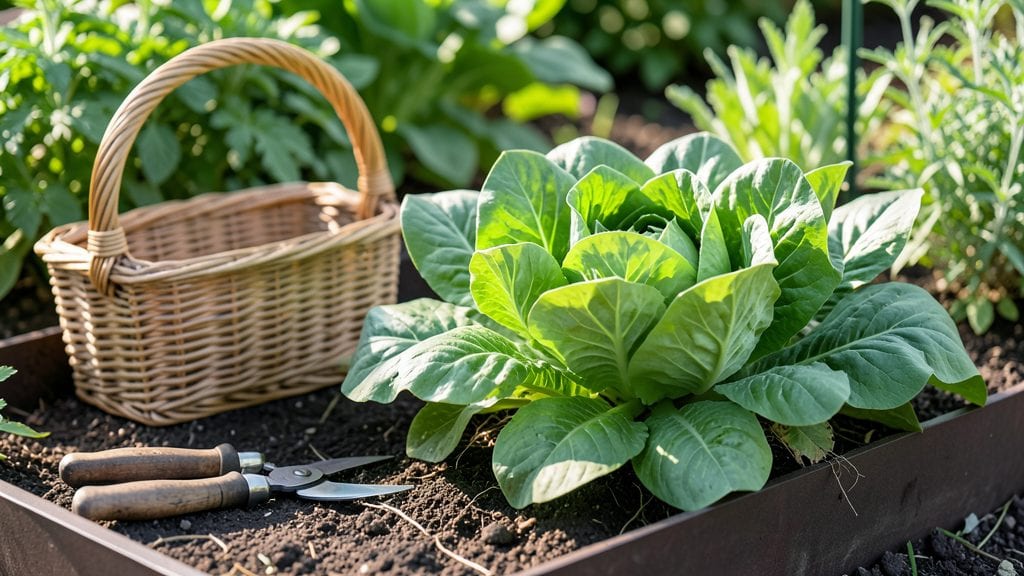
The meaning of victory gardens lies in their dual purpose: they were wartime vegetable plots that boosted food security while strengthening community bonds. Today, they represent a sustainable, locally focused approach to gardening that honors resilience and self-reliance.
The original victory gardens emerged during World War I and II as a grassroots response to food shortages, with governments encouraging citizens to grow their own produce. 🌱 By 1943, these gardens provided nearly 40% of the U.S.'s fresh vegetables, proving how collective effort could ease wartime pressures.
The modern revival keeps this spirit alive but adapts it to today's sustainability goals, where urban plots and community gardens address food deserts while teaching new generations about self-sufficiency.
What makes victory gardens uniquely powerful is their blend of practicality and symbolism. Historically, they were about survival—today, they're about empowerment.
Whether you're growing tomatoes on a balcony or volunteering at a community plot, you're participating in a tradition that connects past struggles with present-day values like local food systems and environmental stewardship. The key difference?
Modern victory gardens often focus on biodiversity and heirloom varieties, ensuring both taste and ecological benefits.
💡 In This Article
- Origins of Victory Gardens in World War Era
- Modern Victory Gardens: How to Start Yours
Origins of victory gardens in World War era
Victory gardens emerged as a direct response to wartime food shortages during World War I and II, transforming backyards and vacant lots into productive farm plots.
The concept was born from necessity: with shipping routes disrupted and agricultural labor diverted to military service, governments realized citizens would need to grow their own food to prevent famine.
In 1917, the U.S. Department of Agriculture launched the first official campaign, encouraging Americans to plant "war gardens" with posters featuring Uncle Sam pointing at a plow and the slogan "Food Will Win the War." 🌱
The impact was staggering. By 1918, nearly 5 million gardens covered 3 million acres, producing enough food to feed 4 million people. During World War II, the effort expanded exponentially—by 1943, victory gardens supplied 40% of the nation's fresh vegetables, including 9 million tons of produce.
The government even distributed free seeds and pamphlets with planting guides, while schools taught children how to grow "victory potatoes." Food rationing made every homegrown tomato or carrot a patriotic act, reinforcing the message that individual effort could directly support the war.
What made these gardens so effective wasn't just their output, but their psychological impact. The shared effort of planting, tending, and harvesting created a sense of purpose and unity during uncertain times. Neighbors swapped seeds and advice, children learned responsibility, and families bonded over the physical labor.
The gardens became symbols of resilience, proving that even in hardship, communities could thrive together. This collective spirit was amplified by propaganda that framed gardening as a duty—not just for survival, but for national pride. 🇺🇸
The physical layout of victory gardens reflected their dual purpose. Most plots were designed for maximum efficiency: vegetables were arranged in rows with wide paths for easy access, and high-yield crops like potatoes, carrots, and beans took priority.
Urban gardens often used raised beds or containers to maximize space, while rural plots could span entire backyards. The choice of crops wasn't random—it was based on what could be grown quickly and stored long-term, like cabbage (which could last months in root cellars) or tomatoes (preserved via canning).
One lesser-known aspect was how victory gardens addressed food waste. The U.S. government promoted "victory canning," teaching families to preserve their harvests through techniques like water bath canning for high-acid foods (tomatoes, pickles) and pressure canning for low-acid vegetables.
This not only extended the shelf life of produce but also reduced reliance on commercial canned goods, which were often rationed. The result? Families could enjoy homegrown food year-round, even in winter—a practical solution that became a cornerstone of the movement. 🍅
Beyond the practical, victory gardens served as a morale booster. They provided tangible proof that ordinary citizens could contribute meaningfully to the war effort. First Lady Eleanor Roosevelt famously grew her own vegetables at the White House, setting an example for the nation.
The gardens also became gathering places where communities shared meals and stories, reinforcing social bonds. This combination of practicality and symbolism is why victory gardens endure today—as both a historical phenomenon and a modern inspiration for sustainable living. 💛