
Planting
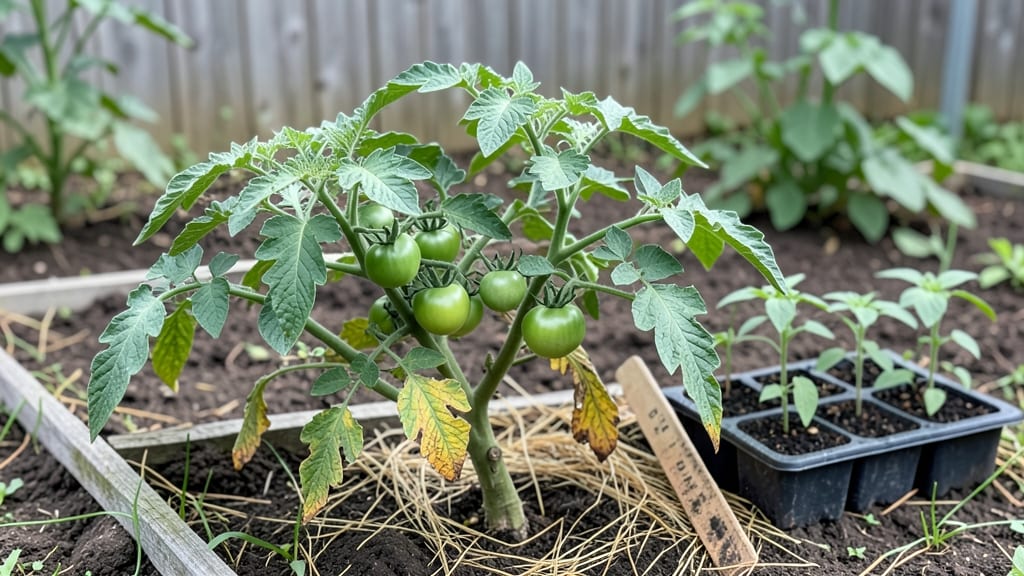
Vegetable garden spacing isn't just about planting seeds—it's the secret to foolproof yields that make your neighbors jealous. 🌱 I learned the hard way when my overcrowded tomatoes produced tiny, bitter fruit instead of juicy beefsteaks.
The right spacing gives roots room to breathe, sunlight to reach the lower leaves, and air to circulate so diseases don't take hold.
Start with your plants' mature size—what fits in a 5-gallon pot now will need 18 inches of space in the garden by summer. Leafy greens like spinach can huddle close (6 inches apart), while squash vines need 3-5 feet to sprawl properly.
Check seed packets for spacing guidelines, but remember: bigger isn't always better when it comes to airflow for tomatoes and peppers.
When done right, proper spacing turns your garden into a high-performance machine—more flowers mean more fruit, fewer weeds mean less competition, and better airflow keeps pests at bay.
You'll harvest 30-50% more than crammed rows, with vegetables that grow faster and stay healthier all season. The key is balancing density with plant needs.
This works whether you're filling a 4x8-foot raised bed or a full backyard plot. For small spaces, try vertical trellises for vining crops or interplant fast growers (like radishes) between slow ones (like carrots). The same principles apply—just scaled down. Let's get those plants positioned for success!
📚 In This Guide
- What you need
- Instructions
- Tips and common mistakes
- Wrapping up and next steps
What you need
- ● Measuring tape or ruler (10–25 ft for larger plots, 6–12 in for precision spacing)
- ● Graph paper or grid layout tool (for sketching your garden plan)
- ● Stakes or markers (wooden, bamboo, or metal; 6–12 in long, ¼–½ in diameter)
- ● Pencil or permanent marker (for labeling stakes)
- ● Garden twine or string (for creating spacing guides)
- ● Shovel or trowel (for planting and soil prep)
- ● Garden gloves (to protect your hands)
- ● Seed packets or young plants (check spacing guidelines on the label!)
- ● Watering can or hose with adjustable nozzle (gentle watering avoids disturbing seedlings)
- ○ Soil test kit (optional but helpful for pH/fertility adjustments)
- ● Laser level or string line (for ultra-straight rows)
- ● Garden calculator app (for complex spacing math)
- ● Mulch (straw, wood chips) (to retain moisture and suppress weeds)
- ● Row covers or shade cloth (for delicate seedlings)
- ● Notebook or garden journal (to track plant progress and spacing tweaks)
How to plan vegetable garden spacing for optimal growth
Smart spacing isn't just about fitting more plants in—it's about giving each one room to thrive.
🌱 Step 1: Research Each Plant's Mature Size
Start by checking seed packets or plant tags for mature width and height requirements. Tomatoes need 18-24 inches between plants but may grow 5-6 feet tall, while bush beans only require 3-4 inches of space but stay under 2 feet. I keep a small notebook with these measurements to avoid crowding—nothing kills yields faster than plants competing for light and nutrients.
Group plants by their vertical and horizontal needs. Tall varieties like corn or sunflowers should go on the north side of your plot to avoid shading shorter crops. Leafy greens like lettuce or spinach can handle closer spacing (6-12 inches apart) because they grow low to the ground and don't need as much air circulation.
☀️ Step 2: Map Your Layout Based on Sun Exposure
Draw a rough sketch of your garden bed, noting where sunlight hits strongest. Most vegetables need 6-8 hours of direct sun daily, but some, like leafy greens, tolerate partial shade. Place sun-loving crops like peppers, eggplants, and tomatoes in the sunniest spots, while shade-tolerant herbs or greens can fill gaps.
Use a tape measure to mark spacing directly in the soil before planting. I like to lay down a 12-inch grid with string and stakes as a guide—this prevents me from eyeballing distances and ensures consistency. For plants like carrots or radishes, I use a ruler to space seeds precisely, since overcrowding leads to stunted roots.
🌿 Step 3: Group Compatible Plants Together
Pair plants with similar water and nutrient needs to simplify care. For example, basil and tomatoes thrive together because they share moisture preferences and basil even repels pests that bother tomatoes. Avoid planting heavy feeders like corn or squash next to light feeders like beans—they’ll compete unfairly.
Leave 12-18 inches of space between rows of different crops to allow for weeding and airflow. I always dedicate the outer edges of my beds to taller plants, creating a natural windbreak for more delicate varieties in the center. This also makes harvesting easier—no more reaching over crowded plants.
⏰ Step 4: Plan for Succession and Rotation
Design your layout with future planting in mind. Leave gaps where you’ll later add quick-growing crops like radishes or lettuce after harvesting early-season plants. For example, after pulling out peas in early summer, I drop in bush beans or cucumbers in the same spot—both are warm-season crops that won’t compete.
Rotate plant families yearly to prevent soil-borne diseases. Keep a simple chart noting where each family (like nightshades or brassicas) grew the previous year. This ensures you’re not replanting tomatoes where tomatoes grew last season, which can lead to blight. Proper rotation also balances nutrient depletion in the soil.
🪴 Step 5: Adjust for Container or Raised Bed Spacing
If growing in containers or raised beds, reduce spacing by 20-30% since roots compete more intensely in confined spaces. For example, instead of 18 inches apart for tomatoes in the ground, I space them 12-14 inches apart in a 2-foot-wide raised bed. This works because the bed’s depth encourages stronger root systems.
Use vertical supports like trellises or cages to save space for vining plants. Cucumbers and pole beans can grow 6-8 feet tall but only need 6-12 inches of base spacing when trained upward. I install trellises at planting time to avoid disturbing roots later—this keeps the garden tidy and maximizes every inch of space.
Tips & tricks for perfect vegetable garden spacing
Here's what nobody tells you about the subtle details that make all the difference in your garden's success.
Plant Family Records: I can't stress enough how critical it is to keep a simple garden journal tracking where each plant family grew annually. I learned this the hard way after losing my entire tomato crop to blight from replanting in the same spot. Use a spiral notebook with columns for plant type, year, and any issues observed. This becomes your early warning system for soil-borne diseases and nutrient depletion patterns.
Visual Spacing Tools: Beyond string grids, I've found that using a 12-inch wooden ruler with painted markers at 6-inch intervals makes seed spacing a breeze. For larger plants, I mark spacing directly in the soil with a wooden stake and string system that creates a visible grid. This prevents the "eyeballing" that inevitably leads to inconsistent spacing. I even paint the stakes with plant names so my family can help maintain the layout.
Succession Planning: The key to maximizing space is thinking in layers. After harvesting early crops like peas or radishes, I immediately plan what will go in those spots next. I keep a "succession chart" with quick-growing crops listed for each season. For example, after pulling carrots in early summer, I'll plant bush beans or lettuce in the same space—both thrive in warm soil and mature quickly before fall.
Container Spacing Secrets: When working with containers, I reduce spacing by exactly 25% of the ground spacing requirements mentioned in Step 5. For instance, instead of the standard 18 inches for tomatoes, I use 13.5 inches in containers. The deeper root zone in containers actually allows for slightly closer spacing because roots can spread more efficiently downward rather than outward.
Pro Tips for Vegetable Garden Spacing
- Here's what nobody tells you about the subtle details that make all the difference in your garden's success.
- Plant Family Records: I can't stress enough how critical it is to keep a simple garden journal tracking where each plant family grew annually.
- Visual Spacing Tools: Beyond string grids, I've found that using a 12-inch wooden ruler with painted markers at 6-inch intervals makes seed spacing a breeze.
Frequently asked questions
Got questions about vegetable garden spacing?
You’re not alone! Here are answers to the most common concerns—so you can plan like a pro.
Why does spacing matter in a vegetable garden?
Proper spacing ensures plants get enough sunlight, air circulation, and nutrients to thrive. Crowding leads to competition, weaker growth, and higher disease risk. Think of it like giving each plant its own "personal bubble" for optimal health and yield!
When is the best time to plant based on spacing needs?
Timing depends on your climate and crop type. Cool-season veggies (like lettuce or peas) can be planted early, while warm-season crops (tomatoes, peppers) need soil temps above 60°F. Check seed packets for days to maturity—this helps plan spacing and succession planting for continuous harvests.
Can I use companion planting to save space?
Pairing compatible plants (e.g., basil with tomatoes or carrots with onions) can maximize space and deter pests. However, avoid planting space-hoggers (like corn or pumpkins) too close to delicate greens. A quick companion-planting guide keeps your layout efficient and productive.
What if my garden is too small for recommended spacing?
No problem! Try square-foot gardening (1 plant per square foot) or vertical growing (trellises for beans, peas). Dwarf varieties (like bush beans or patio tomatoes) are also space-savers. Just adjust watering—smaller areas dry out faster!
How do I fix overcrowded plants?
Act fast! Thin seedlings to recommended spacing (use scissors to avoid disturbing roots). For mature plants, prune leaves to improve airflow or transplant oversized ones to a new spot. If pests or disease strike, remove affected plants immediately to protect the rest.
Do I need to measure spacing every time I plant?
Not always! Use a spacing grid (DIY with sticks or a string line) for large gardens, or mark rows with landscape fabric. For small plots, eyeball it—just compare plants to their mature size on seed packets. Consistency is key!
Wrapping up and next steps
Mastering vegetable garden spacing isn’t just about aesthetics—it’s the secret to a thriving, high-yield harvest! By following science-backed layouts, you’ll give your plants room to grow, reduce competition, and minimize pests. Whether you’re a beginner or a seasoned gardener, proper spacing is your ticket to a bountiful garden. 🌱
Ready to put your new knowledge into action? Start small—plot a single bed or a few rows—and watch your confidence (and your veggies!) flourish. Soon, you’ll be experimenting with companion planting and optimizing layouts like a pro. Happy gardening! 🌿