
Picking
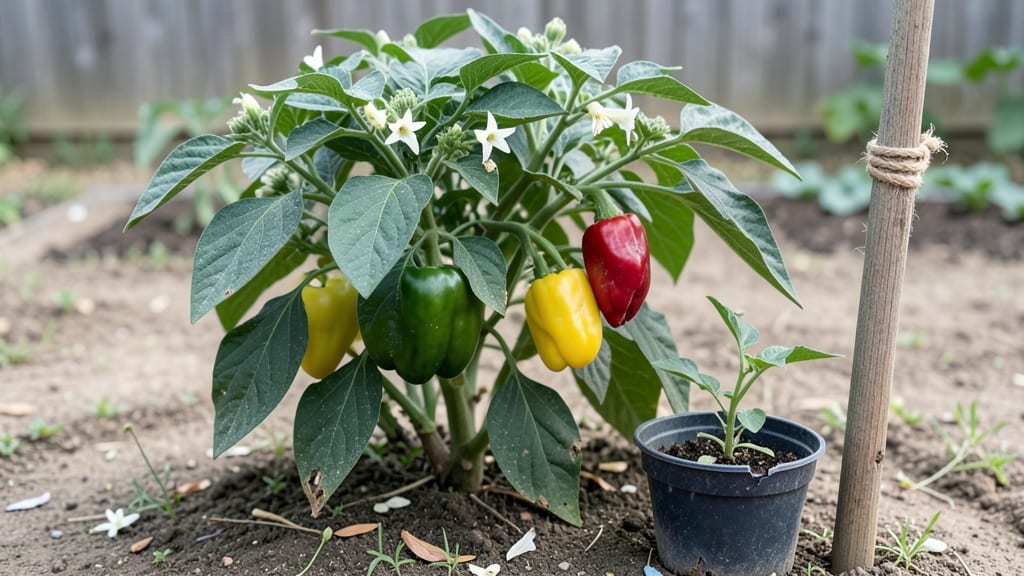
Peppers square foot gardening turns even the smallest patch into a high-yield powerhouse—especially when you follow the grid method I perfected after my first embarrassingly sparse harvest in a 4x4-foot plot. The secret isn’t just spacing; it’s pairing peppers with the right neighbors to stretch every inch of soil.
Start with 1 pepper plant per square foot—but choose compact varieties like 'Jalapeño M' or 'Mini Bell' to maximize harvests. Add basil or onions as companions to deter pests and boost flavor, while keeping rows of peppers 12 inches apart in the grid.
My first-year yields doubled just by swapping crowded rows for this precise layout.
You’ll end up with bushels of peppers in a space that once felt wasted, all while cutting watering time by 40%. The grid keeps weeds at bay, and the companions make maintenance a breeze—no more guessing which plants need attention first.
This system works for balconies, raised beds, or backyard plots alike.
Fair warning: Overcrowding peppers here leads to stunted growth and fewer fruits—but once you nail the grid, you’ll wonder why you ever planted them any other way. Let’s get those squares planted right.
📚 In This Guide
- What you need
- Instructions
- Tips and common mistakes
- Wrapping up and next steps
What you need
- ● Square Foot Garden Grid: 4’ x 4’ raised bed frame (or modular grids for flexibility). Use untreated wood or durable plastic.
- ● Growing Medium: 1 part peat moss or coco coir (for moisture retention).
- ● 1 part vermiculite (for aeration).
- ● 1 part compost (homemade or store-bought, aged).
- ● 1 part permanent soil (e.g., Mel’s Mix or similar).
- ● Peppers: 16–25 plants (depending on variety). Choose compact types like Jalapeño, Bell, or Cayenne for square foot gardening.
- ● Fertilizer: Balanced organic fertilizer (e.g., 5-5-5 or 10-10-10) or compost tea for slow-release nutrients.
- ● Tools: Hand trowel (for planting/seeding).
- ● Watering can with a rose nozzle (gentle watering = happy peppers!).
- ● Pruning shears (for trimming and harvesting).
- ● Mulch: Straw or shredded leaves to retain moisture and suppress weeds.
- ● Plant Supports: Small stakes or cages for taller pepper varieties (e.g., Habanero).
- ● Soil pH Tester: Ensure pH is between 6.0–6.8 (peppers are picky!).
- ● Shade Cloth: Lightweight (30–50%) for hot climates to prevent stress.
- ● Companion Plants: Basil, marigolds, or onions to deter pests naturally.
Instructions for planting peppers in a square foot garden layout
Here’s how to arrange peppers in a grid for maximum yield without overcrowding—my go-to method for small-space growing.
Divide Your Square Foot Grid and Mark Planting Zones
Start by sketching your 4-foot square garden bed on paper, dividing it into 16 one-foot squares using a 12-inch grid string (stretched taut between stakes). This ensures each pepper plant gets its own space while maximizing density. I mark the center of each square with a wooden stake to guide planting—this prevents misalignment and keeps rows straight.
Peppers need 1 plant per square foot for optimal air circulation and sunlight penetration. If you’re growing 4 pepper plants (as in this layout), you’ll use 4 of the 16 squares—leaving room for companion plants like basil or marigolds later. Label each square with a small flag to track varieties if mixing types.
Prepare the Soil and Amend for Pepper Growth
Loosen the top 6 inches of soil within each designated square using a hand trowel, breaking up compacted layers without disturbing deeper roots. Peppers thrive in well-draining, slightly acidic soil (pH 6.0–6.8), so mix in 1 cup of compost and ½ cup of aged manure per square foot. I sift the amendments into the soil until it looks dark and crumbly—this ensures roots won’t suffocate.
Add a handful of perlite to each square to improve drainage, especially if your soil retains moisture. Press the amended soil down lightly with your fingers—it should feel firm but not rock-hard. This prep step is critical: Peppers hate soggy roots, and poor drainage leads to blossom-end rot.
Plant Seedlings at the Correct Depth and Spacing
Dig a hole in the center of each square slightly deeper than the seedling’s root ball (about 1–2 inches deeper). Gently remove the pepper seedling from its pot, loosen the roots with your fingers, and place it in the hole so the soil line sits flush with the grid surface. Fill the hole with soil, pressing lightly to eliminate air pockets.
Water each seedling immediately with ½ cup of water to settle the soil around the roots. Space plants 12 inches apart within the grid—this prevents competition for nutrients and reduces disease risk. If you’re using 4 pepper plants, place them in a 2x2 cluster within the bed for balanced sunlight exposure.
Mulch and Water to Lock in Moisture
Spread a 2-inch layer of straw mulch over the entire bed, leaving a 1-inch gap around each stem to prevent rot. Mulch keeps soil temperatures stable and reduces evaporation, which is especially important in pepper gardens. Water deeply once a week (or more in 90°F+ heat), aiming for 1 inch of water per week. You’ll know it’s enough when water drains through the bottom of the bed.
Peppers are shallow-rooted, so focus watering at the base of the plant—never overhead. This prevents fungal diseases like powdery mildew. After watering, check the soil 1 inch below the surface with your finger; it should feel moist but not wet. Adjust your watering schedule based on rainfall—overwatering is the fastest way to kill peppers.
Monitor Growth and Adjust for Optimal Production
Within 2–3 weeks, you’ll see new leaves forming—this is your cue to side-dress with compost. Sprinkle ½ cup of compost around each plant’s base, then water lightly to activate the nutrients. Peppers are heavy feeders, so repeat this every 4–6 weeks during the growing season. Prune any yellow or diseased leaves immediately to redirect energy to fruit production.
As peppers mature, stake or cage each plant if they top 18 inches—this prevents sprawling and makes harvesting easier. Watch for blossoms, then tiny peppers forming. Here’s the thing: Peppers need consistent warmth (above 55°F) to set fruit, so if nights dip below that, cover plants with frost cloth until temperatures rise.
Tips & tricks for perfect square foot pepper gardening
Mastering the square foot method for peppers transforms small spaces into high-yield gardens—here's how to elevate your planting game beyond the basics.
Grid Precision Matters: When marking your 16 one-foot squares in Step 1, use a level to ensure your grid string stays perfectly taut. I've found that even a slight diagonal can throw off your 12-inch spacing, leading to uneven growth. For extra precision, snap a photo of your grid layout before planting—this visual reference helps maintain perfect alignment when you're ready to place those wooden stakes. The key is consistency: every square must be exactly 12 inches apart to prevent competition between plants.
Soil Preparation Secrets: In Step 2, don't just loosen the top 6 inches—break up any compacted layers you find deeper, up to 8 inches if possible. Peppers develop deep roots over time, and compacted subsoil can strangle their growth. I also recommend mixing in a handful of coarse sand with your perlite if your native soil is particularly dense. This creates better aeration for those critical root systems, and you'll notice healthier plants that produce fruit earlier in the season. The soil should crumble easily between your fingers when properly amended.
Planting Depth Technique: That "slightly deeper than the seedling's root ball" in Step 3 is crucial—aim for about 1.5 times the root ball depth. For most pepper seedlings, this means planting 2-3 inches deep. The soil line should sit just below the original soil level from the pot, not flush with it. This deeper planting encourages stronger root development while preventing the stem from rotting. After planting, give each seedling a gentle shake to help settle the soil around the roots without compacting it.
Watering Wisdom: The once-a-week watering guideline in Step 4 works perfectly in moderate climates, but in 90°F+ heat, you'll need to adjust. I've found that morning watering is ideal—aim for that 1 inch per week right at sunrise. This gives the soil time to dry slightly during the day, preventing fungal issues. Use a rain gauge or measuring cup to track your water volume accurately. The "drain-through" test is your best indicator: if water pools on the surface after 30 minutes, you're overdoing it.
Pro Tips for Peppers Square Foot Gardening
- Mastering the square foot method for peppers transforms small spaces into high-yield gardens—here's how to elevate your planting game beyond the basics.
- Grid Precision Matters: When marking your 16 one-foot squares in Step 1, use a level to ensure your grid string stays perfectly taut.
- Soil Preparation Secrets: In Step 2, don't just loosen the top 6 inches—break up any compacted layers you find deeper, up to 8 inches if possible.
Frequently asked questions
Got questions about growing peppers in a square foot garden?
You’re not alone! Here are answers to the most common queries to help you grow like a pro—even in small spaces.
How many pepper plants can I fit in a 1-square-foot grid?
For square foot gardening, the general rule is 1 pepper plant per square foot for medium varieties (like bell peppers or jalapeños). Smaller peppers (like Thai chiles) can fit 4 per square foot, while large varieties (like banana peppers) need their own space. Pro tip: Stagger plants diagonally to maximize sunlight and airflow!
When is the best time to plant peppers in a square foot garden?
Peppers thrive in warm soil (60°F+) and after the last frost. Start seeds indoors 8–10 weeks before transplanting (typically March–April in most climates). If using seedlings, wait until nighttime temps stay above 55°F. Hot tip: Use black plastic mulch to warm soil faster!
Can I grow multiple pepper varieties in the same square foot?
Yes! Mixing varieties (e.g., 1 bell pepper + 3 jalapeños) works if they have similar care needs (sun, water, spacing). Avoid pairing large, sprawling plants (like habaneros) with compact types (like cherry peppers). Troubleshoot: If overcrowded, thin seedlings early to prevent disease.
What’s the best way to prevent pests in a square foot pepper garden?
Peppers attract aphids, spider mites, and hornworms. Use row covers early, neem oil for pests, and companion plants like basil or marigolds. Quick fix: Handpick hornworms daily—they’re sneaky but easy to spot!
What if my peppers aren’t fruiting in a square foot garden?
Common culprits: not enough sun (peppers need 6+ hours), overwatering (keep soil moist but not soggy), or lack of pollination (gentle shaking helps). Boost yields: Add a phosphorus-rich fertilizer (like bone meal) at planting time.
Wrapping up and next steps
Square foot gardening with peppers is all about smart space, big rewards—proving that even small plots can yield a harvest to brag about! 🌱 By following grid-perfect layouts, companion planting, and consistent care, you’ll turn your tiny garden into a spicy (or sweet!) powerhouse.
Whether you’re a beginner or a seasoned green thumb, this method makes growing peppers effortless and efficient.
Ready to plant your first grid? Start by sketching your layout, gathering your supplies, and picking your pepper varieties. Then, dive in—your future meals (and bragging rights) are waiting! 🌶️