
Flowers
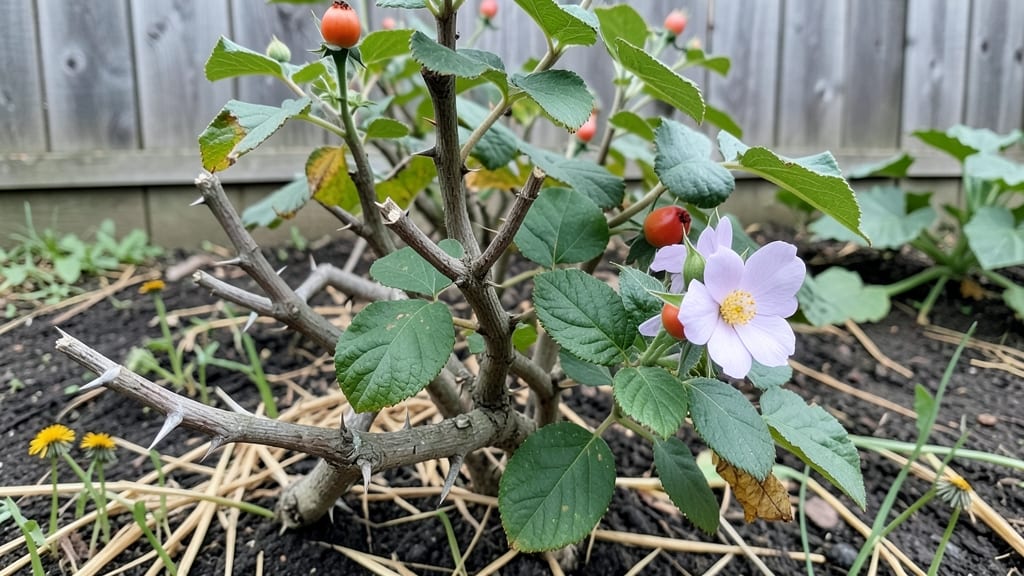
Thorny garden flowers turn security into style—no fence required. 🌿 I learned the hard way that a few well-placed roses or barberries can keep critters out while adding dramatic texture to any border. The right thorny plants create a living barrier that looks intentional, not like a prison.
These aren't just prickly plants—they're showstoppers. Deep pink roses climb trellises, glossy barberries form dense hedges, and hawthorns provide year-round structure with their bold foliage. The key is mixing them with softer perennials so the thorns feel like an accent, not the whole story.
My front yard's "no-go zone" for deer now doubles as a fragrant summer retreat.
You'll end up with a garden that feels both wild and controlled—think "English cottage meets fortress." The thorns keep rabbits from munching your hostas, while the flowers attract pollinators.
Place them along property lines, around vegetable beds, or as dramatic focal points near pathways. The best designs layer them with non-thorny companions like lavender or catmint for contrast.
Works in any climate from zones 4-9, though southern gardens might need afternoon shade for delicate varieties. The secret is starting small—plant a single rose bush as a test, then expand based on how it performs.
Your garden will have both beauty and bite, and neighbors will ask where you got the idea.
📚 In This Guide
- What you need
- Instructions
- Tips and common mistakes
- Wrapping up and next steps
What you need
- ● Thorny flowers: Choose from roses (e.g., Rosa rugosa), pyracantha (Pyracantha coccinea), barberry (Berberis thunbergii), or hawthorn (Crataegus). Aim for 5–10 plants, depending on garden size.
- ○ Well-draining soil: Mix 2 parts garden soil with 1 part compost (optional: add 1 part perlite for sandy soil).
- ● Organic mulch: 2–3 inches of wood chips or straw to retain moisture and suppress weeds.
- ● Fertilizer: Balanced 10-10-10 or slow-release rose fertilizer (follow package rates).
- ● Gardening gloves (thorn-proof, like mechanized or heavy-duty leather).
- ● Trowel or spade (for digging holes 2–3 times wider than root balls).
- ● Pruning shears (sterilized with rubbing alcohol).
- ● Watering can or hose (with a gentle spray nozzle).
- ○ Stakes & twine (optional, for supporting young plants).
- ● Pest control: Neem oil or insecticidal soap (for aphids/spider mites).
- ● Erosion control fabric (if planting on slopes).
- ● Decorative rocks or pebbles (for a polished look).
- ● Drip irrigation system (for low-maintenance watering).
- ● Birdhouses or feeders (to attract pollinators and deter pests naturally).
Instructions for designing a year-round thorny flower barrier
Here's how to create a living fence that thrives through seasons while keeping intruders out.
🌱 Step 1: Plan Your Plant Placement and Spacing
Choose a location with at least 6 hours of sun daily—most thorny flowering shrubs need full sun to develop strong thorns and vibrant blooms. I like to arrange plants in staggered rows with 3-4 feet between plants and 4-5 feet between rows. This creates a dense barrier while allowing airflow to prevent disease.
Sketch a simple layout first. Thorny roses, barberry, and pyracantha work beautifully together. Place taller varieties (like roses) at the back and shorter ones (like barberry) in front. This ensures sunlight reaches all plants and creates a layered, impenetrable look. Mark planting spots with stakes to avoid confusion later.
🪴 Step 2: Prepare the Soil and Plant Your Selections
Dig holes twice as wide as the root ball and slightly deeper to encourage root spread. Amend the native soil with 2-3 inches of compost mixed into the bottom of each hole. This improves drainage and provides nutrients for strong growth.
Gently remove plants from their containers and place them in the holes, ensuring the top of the root ball sits 1 inch above ground level. This prevents water from pooling around the stems. Backfill with native soil, pressing lightly to remove air pockets. Water deeply right after planting to settle the soil and eliminate gaps.
☀️ Step 3: Provide Seasonal Care for Year-Round Growth
Water newly planted thorny shrubs deeply 2-3 times per week for the first month, then taper to once a week once established. The key is deep watering—soak the soil 12 inches down each time to encourage deep root growth. You'll know it's right when the top inch of soil feels dry to the touch between waterings.
Apply a 2-inch layer of mulch around each plant, keeping it 3 inches away from the stem. Use wood chips or shredded bark to suppress weeds and retain moisture. In late fall, add a 3-4 inch layer of mulch to protect roots from freezing temperatures. Thorny plants handle winter well, but extra insulation prevents heaving and damage.
✂️ Step 4: Prune for Health and Density
Prune in late winter or early spring before new growth begins. Remove any dead, diseased, or crossing branches first. Then, cut back one-third of the oldest stems to the ground to encourage new growth. This rejuvenates the plant and keeps it bushy. For roses, shape the plant by cutting just above an outward-facing bud to direct growth outward.
Prune again in summer after flowering to maintain shape and encourage a second flush of blooms. Remove any suckers (shoots growing from the base) immediately—they sap energy from the main plant. Wear gloves and long sleeves when pruning; these plants are serious about their thorns!
🌿 Step 5: Maintain and Enjoy Your Living Barrier
Fertilize in early spring with a balanced, slow-release fertilizer (10-10-10) to support blooming and growth. Apply it 6 inches away from the stem and water it in well. Avoid high-nitrogen fertilizers—they promote leafy growth at the expense of flowers and thorns.
Watch for pests like aphids or spider mites, which can weaken your plants. A strong spray of water usually removes them, but severe infestations may require neem oil. Your barrier will mature over 2-3 years, becoming denser and more effective each season. Once established, it requires minimal care—just occasional pruning and watering during droughts.
Tips & tricks for perfect thorny flower barrier design
A few simple strategies will help you create a thriving, impenetrable barrier that looks as beautiful as it functions.
The Sunlight Factor: That 6 hours of sun daily is non-negotiable for strong thorns and vibrant blooms. If your site only gets partial sun, consider adding a few extra hours with reflective surfaces like light-colored fences or walls. I've seen dramatic differences in thorn development between plants getting morning sun versus afternoon shade—morning light tends to produce stronger growth.
Layering for Maximum Impact: When arranging your staggered rows in Step 1, think of it like a fortress wall—each layer adds both height and density. The 3-4 feet between plants allows for air circulation while still creating that impenetrable look. For extra protection, add a third row of shorter thorny varieties like cotoneaster in the front. This creates a natural gradient that's both beautiful and effective.
Soil Prep Secret: The 2-3 inches of compost in Step 2 isn't just about nutrients—it's about creating the perfect environment for those deep roots. I like to mix in a handful of perlite to improve drainage, especially if your soil tends to get compacted. This helps prevent root rot while encouraging that 12-inch deep watering to work effectively. Think of it as giving your plants a head start on establishing their root systems.
Pruning Precision: When you cut back one-third of the oldest stems in Step 4, focus on the largest, woody stems first. These are the ones that have outgrown their usefulness and are sapping energy from new growth. For roses specifically, make your cuts just above an outward-facing bud—this directs energy outward, creating that bushy, impenetrable look we want. And remember, those thorns are serious business—always wear gloves and long sleeves during pruning!
Pro Tips for Thorny Garden Flowers
- A few simple strategies will help you create a thriving, impenetrable barrier that looks as beautiful as it functions.
- The Sunlight Factor: That 6 hours of sun daily is non-negotiable for strong thorns and vibrant blooms.
- Layering for Maximum Impact: When arranging your staggered rows in Step 1, think of it like a fortress wall—each layer adds both height and density.
Frequently asked questions
Got questions about adding thorny garden flowers to your landscape? You’re not alone! Here are some of the most common queries—and their practical answers—to help you plan with confidence.
Are thorny flowers safe for pets or small children?
Most thorny flowers like roses, barberries, or pyracanthas are non-toxic to pets and kids, but their sharp spines can still cause scratches. Opt for petal-less varieties (e.g., Rosa rugosa) or plant them in raised beds to minimize contact. Always supervise curious hands and paws!
When is the best time to plant thorny flowers?
For hardy perennials (e.g., roses, hawthorns), plant in early spring or fall when soil is workable but not frozen. Bare-root varieties thrive in spring, while potted plants adapt to cooler fall temps. Pro tip: Water deeply after planting and mulch to retain moisture.
How do I protect myself from thorns while pruning?
Wear long sleeves, thick gloves, and closed-toe shoes to shield against prickers. Use bypass pruners (not shears) for clean cuts, and carry a small first-aid kit for minor scrapes. For dense shrubs, wear a face shield—thorns don’t discriminate!
Are there thornless alternatives for a low-maintenance garden?
Yes! Swap spiky varieties for thornless roses (e.g., ‘Knock Out’ roses) or ornamental grasses like pampas grass for texture without the pain. Hydrangeas and clematis also offer lush blooms with minimal prickles.
Why are my thorny flowers losing leaves or wilting?
Common culprits include underwatering, over-fertilizing, or pest damage (e.g., spider mites). Check soil moisture and inspect leaves for holes or webbing. Adjust care based on the plant’s needs—most thorny shrubs prefer well-draining soil and moderate watering.
Still stumped? Drop your question in the comments—we’re happy to help you cultivate a beautiful, barrier-friendly garden!
Wrapping up and next steps
Thorny garden flowers aren’t just practical—they’re stunning, low-maintenance, and perfect for adding both beauty and security to your outdoor space. 🌹 Whether you’re drawn to roses, pyracantha, or barberry, these plants offer year-round interest while keeping unwanted visitors at bay.
The best part? With the right care, they’ll thrive and reward you with vibrant blooms and lush foliage for seasons to come.
Ready to transform your garden? Start small—pick one or two thorny varieties that suit your climate and style, then expand as you gain confidence. Your future self (and your neighbors!) will thank you for this elegant, functional upgrade.