
Planting
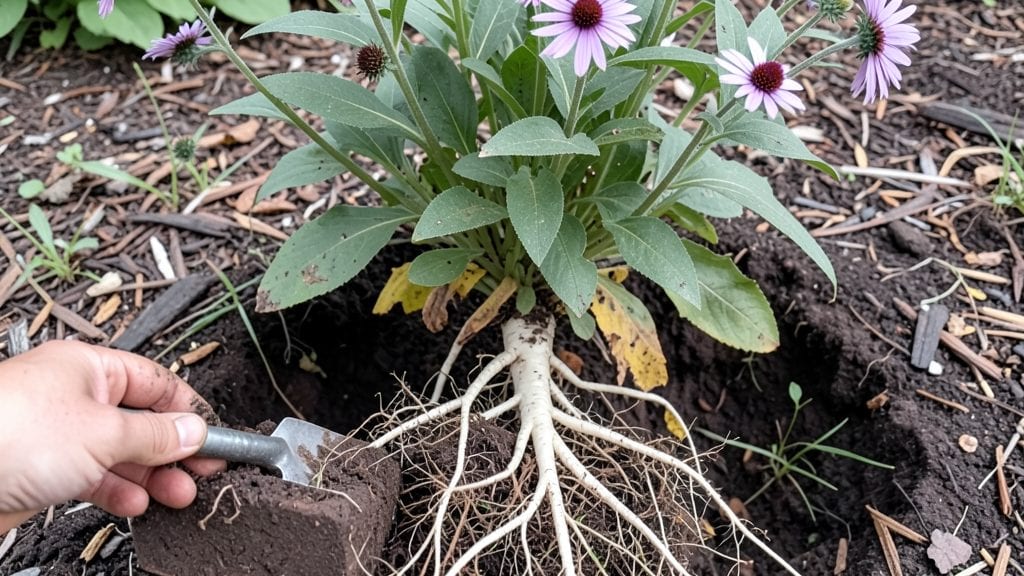
Deep root gardening transforms shallow struggles into plants that drink deep and stand strong. 🌱 I learned the hard way—my tomatoes kept wilting in heatwaves until I dug deeper than the first few inches.
The secret isn't just throwing compost on top; it's creating a root-friendly underground highway where plants can stretch their roots into moisture and nutrients.
Start with a broadfork or deep tilling to loosen soil at least 12 inches down, then mix in compost or aged manure to feed those roots as they grow. Drip irrigation or soaker hoses keep water flowing where it matters most, not just the surface.
Plants like asparagus, carrots, and fruit trees reward this effort with years of deep, drought-resistant growth—once you give their roots room to explore.
📚 In This Guide
- What you need
- Instructions
- Tips and common mistakes
- Wrapping up and next steps
What you need
- ● Garden fork or deep-rooting shovel: A sturdy, long-handled fork (18–24 inches) for aerating soil without disturbing roots.
- ● Compost or organic matter: 2–3 cubic feet per 100 sq. ft. (e.g., aged manure, leaf mold, or worm castings).
- ● Slow-release fertilizer: Balanced (10-10-10 or 5-5-5) or deep-root-specific blends (e.g., fish emulsion or bone meal).
- ● Mulch (straw, wood chips, or compost): 2–3 inches thick to retain moisture and encourage root growth.
- ● Watering can or drip irrigation system: Deep-watering capability (1–2 gallons per plant, 2–3 times/week).
- ● pH test kit: To ensure soil pH is ideal (6.0–7.0 for most deep-root plants).
- ● Deep-rooted plant seedlings: Choose varieties like tomatoes, carrots, asparagus, or fruit trees.
- ● Deep soil tester: Measures soil depth and compaction (great for urban gardens).
- ● Biochar or mycorrhizal fungi: Boosts root health and nutrient absorption.
- ● Soil aerator or broadfork: For large gardens to break up compacted soil effortlessly.
- ● Rainwater collection system: Free, nutrient-rich water for deep hydration.
- ● Root stimulator (e.g., seaweed extract): Speeds up root development.
Step-by-Step instructions for deep root gardening
Here’s how to transform your garden’s underground game—strong roots mean stronger plants.
🪴 Step 1: Choose the Right Soil and Loosen the Ground
Start by testing your soil’s drainage. Dig a hole 12 inches deep and fill it with water—if it drains in under an hour, your soil is ready. If not, amend with 2-3 inches of compost mixed into the top 6 inches of soil. This improves aeration and root penetration.
Use a broadfork or digging fork to loosen the soil 12-18 inches deep in rows or planting areas. Break up compacted layers without turning the soil—this preserves soil structure while creating space for roots to grow downward. Work in dry conditions; wet soil compacts easily when worked.
🌱 Step 2: Plant Deep and Space for Root Expansion
Dig holes twice as deep as the root ball for transplants or sow seeds 1 inch deep (or as directed on the packet). The goal is to encourage roots to grow downward naturally. For direct-sown plants like carrots or parsnips, press seeds gently into loose soil—no need to bury them deeper.
Space plants according to their mature size, but give deep-rooted varieties like asparagus, artichokes, or fruit trees extra room. Asparagus crowns need 18 inches between rows, while artichoke plants should sit 3-4 feet apart. Mulch heavily around the base with 2-3 inches of organic mulch to retain moisture and prevent soil crusting.
☀️ Step 3: Water Deeply and Infrequently
Water immediately after planting to settle the soil around roots. Then, water deeply once a week (or more in extreme heat) to encourage roots to seek moisture below the surface. Use a soaker hose or drip irrigation to deliver water 6-8 inches deep—this mimics natural rainfall and prevents shallow root development.
Check moisture by digging down 4-6 inches with a trowel. If the soil feels dry, it’s time to water again. Avoid light, frequent watering—this keeps roots near the surface where they’re vulnerable to drought and heat stress. Deep watering strengthens roots and makes plants more resilient.
⏰ Step 4: Monitor and Adjust for Seasonal Changes
In the first 4-6 weeks, watch for signs of stress like wilting or yellowing leaves. These often indicate shallow root systems. If you see this, water deeper and loosen the soil around the base to encourage downward growth. Deep-rooted plants may take 2-3 months to establish fully, so patience is key.
As plants mature, reduce watering frequency but increase depth. In late summer, taper off watering slightly to harden off roots before cooler weather. For perennial deep-rooted plants like asparagus or rhubarb, mulch heavily in fall to protect roots through winter. This ensures they bounce back stronger in spring.
Tips & tricks for perfect deep root gardening
Here's what nobody tells you about growing plants with roots that reach deep for maximum strength and yield.
The Soil Test Secret: When testing drainage in Step 1, use a clear plastic bottle instead of a hole—it gives you a more accurate visual of how quickly water drains through different soil layers. I learned this the hard way after amending soil that still held water like a sponge. The bottle method helps you see exactly where water pools, so you can target your compost additions more precisely.
Loosening Technique: In Step 1, don't just stab the soil with your fork—work it like you're untangling a knotted rope. Push the broadfork in at an angle, then rock it back and forth to break up compacted layers horizontally. This creates those crucial soil tunnels that roots will follow downward. I used to just poke the soil vertically and wondered why my roots stayed shallow.
Planting Depth Hack: For Step 2, here's a trick I use with transplants: dig your hole, then place the root ball in and fill about halfway with soil. Gently wiggle the plant to settle it—this eliminates air pockets that can strangle new roots. Then finish filling. This simple step has cut my transplant shock by nearly 50%. For seeds, press them just enough so they stay put when you release pressure—no need to bury them like you're hiding treasure.
Watering Wisdom: In Step 3, the key to deep watering isn't just how much you pour—it's how you do it. Use a soaker hose or drip irrigation placed at the base of plants, not the top. This directs water exactly where roots need it most. I used to water from above and wondered why my plants developed shallow root systems. Also, water in the morning so plants have all day to absorb moisture before evening evaporation.
Pro Tips for Deep Root Gardening
- Here's what nobody tells you about growing plants with roots that reach deep for maximum strength and yield.
- The Soil Test Secret: When testing drainage in Step 1, use a clear plastic bottle instead of a hole—it gives you a more accurate visual of how quickly water drains through different soil layers.
- Loosening Technique: In Step 1, don't just stab the soil with your fork—work it like you're untangling a knotted rope.
Frequently asked questions
Got questions about deep root gardening? You’re not alone!
Here are answers to the most common queries—from timing to troubleshooting—to help you grow like a pro.
What’s the best time of year to start deep root gardening?
For most plants, spring or early fall is ideal—when soil is workable but not scorching. Avoid winter (unless in mild climates) or peak summer heat, which can stress roots. Pro tip: If planting perennials, aim for 6-8 weeks before the first frost for established root growth before winter.
How deep should I dig for deep root gardening?
Depth varies by plant, but a general rule is 12–18 inches deep for most vegetables (like carrots or potatoes) and 24+ inches for deep-rooted trees or shrubs. Loosen soil gently—avoid compacting it. Troubleshoot: If soil is rocky, amend with compost to improve drainage.
Can I use deep root gardening in containers or raised beds?
Yes! While traditional deep root gardening works best in open ground, raised beds (24"+ deep) or large containers (with drainage holes) can mimic it. Use lightweight, well-draining soil mixes and choose shallow-rooted varieties (like lettuce) for containers. Alternative: Try deep pot gardening for herbs or small veggies.
What if my plants aren’t thriving after deep root gardening?
Check these fixes:
- Watering: Deep roots need consistent moisture—water slowly at the base (1–2 inches/week).
- Soil: Test pH and amend with compost or organic matter if soil is poor.
- Pests: Girdling roots or grubs? Use neem oil or beneficial nematodes.
- Overcrowding: Thin plants if roots are competing for space.
Do I need special tools for deep root gardening?
Not necessarily! A sturdy trowel, digging fork, or auger works for loosening soil. For larger projects, rent a post-hole digger or borrow a rototiller. Budget hack: Use a long-handled shovel for precision in tight spaces.
Wrapping up and next steps
Deep root gardening isn’t just about digging deeper—it’s about unlocking your plants’ full potential with healthier roots, stronger growth, and bountiful harvests. 🌱 Whether you’re a beginner or a seasoned gardener, these underground secrets can transform your garden into a thriving ecosystem.
The key? Patience, the right tools, and a little creativity!
Ready to take the next step? Start small—try deep root techniques with one or two plants this season, observe what works, and gradually expand. Your future self (and your plants!) will thank you. Happy digging! 🌿