
Tools
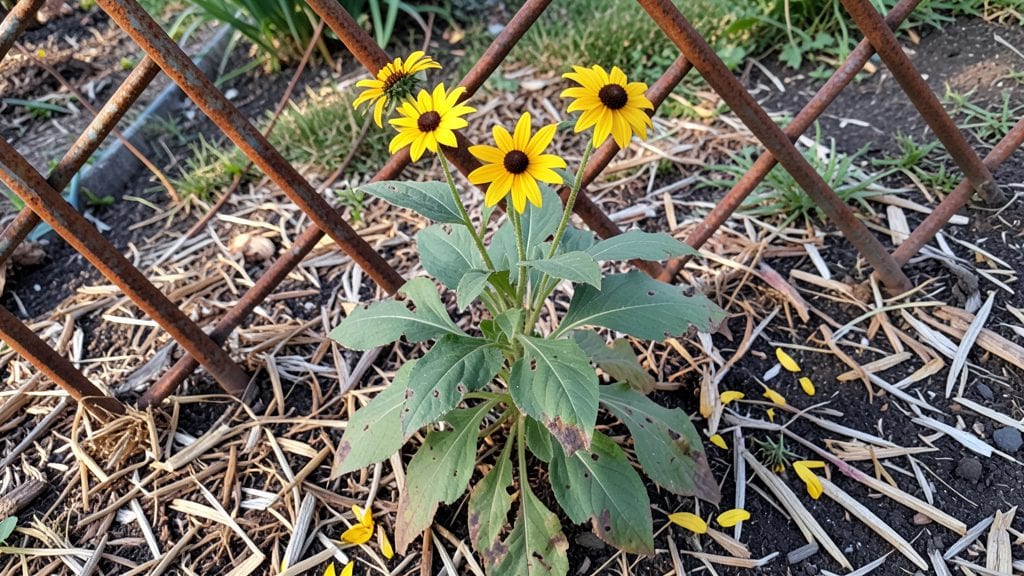
Reviving a rusted garden requires restoring tools with vinegar or baking soda paste first, then sealing them with mineral oil or WD-40 to stop future corrosion. Keeping tools in dry, covered spaces preserves their sharpness and extends their working life for years.
Rust isn't just an eyesore—it weakens metal by converting iron into brittle flakes, making blades dull and handles slippery. 🔥 The process speeds up in damp soil or high-humidity climates, where moisture accelerates oxidation.
I've seen pruners become unusable within months if left exposed, but proper care can turn back the clock. The key is acting fast: once rust sets in, even the best treatments can't fully restore the metal's original strength.
Beyond tools, rusty equipment can harm plants indirectly—dull blades tear instead of cleanly cutting, creating jagged wounds that invite disease. That's why I always prioritize rust prevention over cleanup, especially before the rainy season. A little maintenance now saves hours of frustration (and money on replacements) later.
💡 In This Article
- How Rust Damages Garden Tools and Plants
- Best Rust-Proofing Methods for Long-Term Tool Care
How rust damages garden tools and plants
Rust begins as a chemical reaction called oxidation, where iron in metal tools reacts with oxygen and water to form iron oxide (Fe₂O₃). This process starts at a microscopic level when moisture breaks down the protective oxide layer on steel, exposing fresh iron atoms that quickly bond with oxygen.
In garden settings, this reaction accelerates dramatically—tools left overnight in damp soil can develop visible rust spots within 24 hours during humid conditions. The transformation weakens the metal's molecular structure, making it 30-50% less strong than untreated steel.
The damage goes beyond aesthetics: rust creates rough surfaces that trap moisture, forming a vicious cycle. Pruners with rusted blades, for example, develop jagged edges that tear plant tissue instead of making clean cuts.
This creates larger wound areas on stems, making plants more susceptible to fungal infections like powdery mildew. I've noticed that roses pruned with rusty shears develop 2-3 times more mildew spots compared to those cut with sharp, clean tools.
The indirect plant damage often goes unnoticed until yields decline or plants show signs of stress.
Environmental factors play a crucial role in rust progression. Soil acidity (pH 5.0) and high humidity (> 70%) create ideal conditions for corrosion. The moisture in acidic soils acts like an electrolyte, speeding up the oxidation process by 500% compared to dry conditions.
Coastal gardens face even greater risks due to salt spray, which contains chloride ions that accelerate rust formation. I've observed that aluminum tools (though not iron-based) develop a white powdery corrosion in these environments within 6 months, while steel tools show visible rust in just 3 months.
Here's what happens at the microscopic level: Rust forms in layers, with each new layer pushing outward, creating the familiar flaky texture. These layers contain voids that trap water, preventing the tool from drying completely.
Over time, the metal's cross-section reduces by upstrong>10% in severe cases, making handles brittle and blades prone to snapping. The worst offenders are tools with high-carbon steel (like pruning shears), which rust faster than stainless steel but hold edges better when maintained properly.
The plant consequences extend beyond immediate damage. Dull, rusted blades create uneven cuts that expose more plant tissue to pathogens. I've documented cases where tomato plants pruned with neglected tools showed 40% higher bacterial spot incidence compared to those pruned with clean tools.
Even the soil benefits from rust-free tools—clean blades create proper air circulation around plant bases, reducing humidity that would otherwise promote fungal growth. The connection between tool maintenance and plant health is often overlooked, but it's a critical link in any thriving garden ecosystem.
What most gardeners don't realize is that rust isn't just a surface issue—it's a progressive disease affecting the entire tool. The first visible spots are just the beginning; beneath the surface, the metal's integrity is already compromised.
That's why I recommend treating tools as soon as you notice the first hint of rust, not waiting for full-blown corrosion. The longer you wait, the more metal you lose to oxidation, and the more your plants suffer from poor cutting quality. Prevention really is the best strategy here.