
Tools
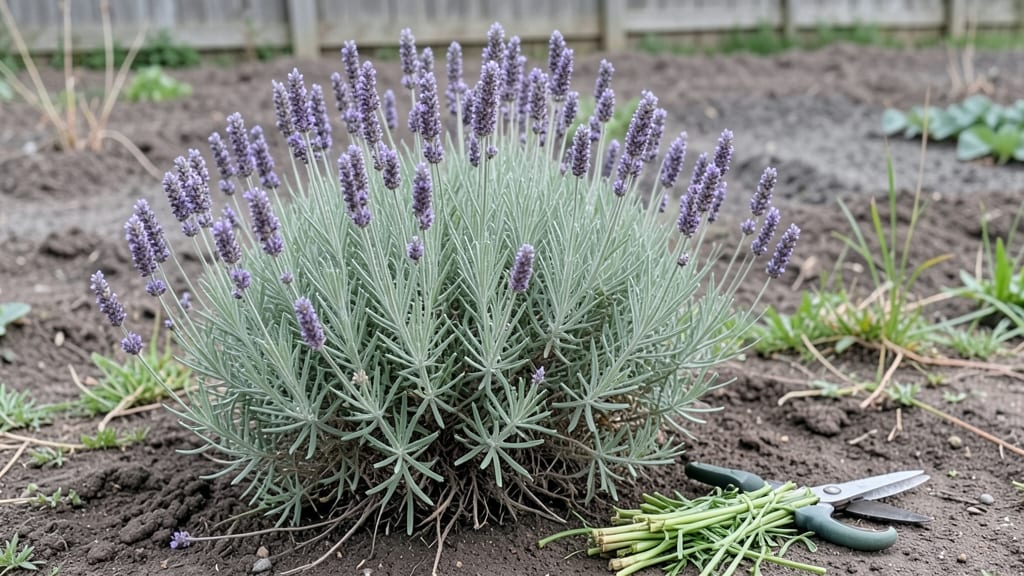
Synonyms for gardening include horticulture, green thumb work, plant cultivation, and tending to flora, with terms like landscaping and floriculture for specialized roles. Hobbyists often call it yard care or gardening craft, while professionals may use botanical maintenance or outdoor agriculture.
Gardening has more variations than you might think, especially when you consider the different ways professionals and hobbyists describe their work. 🌱 The term horticulture often refers to the scientific or commercial side of plant cultivation, while green thumb work leans into the hobbyist's pride in their skills.
Regional slang adds even more flavor—like allotment gardening in the UK or yard work in the US—showing how deeply this practice is woven into daily life.
These terms aren't just labels; they reflect the passion, precision, and creativity that gardeners bring to their craft, whether they're growing vegetables or designing landscapes.
What's interesting is how these synonyms reveal the spectrum of gardening—from the technical (pomology for fruit cultivation) to the casual (tending to flora).
The language you use can even signal your level of expertise or commitment, making it more than just vocabulary—it's a way to connect with others who share the same green-fingered enthusiasm. 🌿
💡 In This Article
- Horticulture vs Gardening: Key Terminology Differences
- Regional and Cultural Gardening Terminology
Horticulture vs gardening: key terminology differences
At its core, horticulture is the scientific study and cultivation of plants, often tied to commercial or agricultural applications. The term comes from Latin roots meaning "garden cultivation," but it carries a technical weight—think botanical research or crop production at scale.
When professionals discuss horticulture, they're typically referencing controlled environments, like greenhouses or orchards, where plant growth is optimized through precise techniques such as grafting, pruning, or soil analysis. 🌱
Gardening, on the other hand, is more fluid and often rooted in personal or aesthetic goals. While it shares the same foundational practices, gardening prioritizes creativity—whether that's designing a pollinator-friendly garden, growing heirloom tomatoes, or simply maintaining a front-yard landscape.
The key difference lies in intent: horticulture often serves functional or economic purposes (e.g., pomology for fruit orchards or floriculture for commercial flowers), while gardening leans into the artistry and joy of nurturing plants.
Even the tools reflect this: a horticulturist might use a soil pH meter, while a gardener’s toolkit often includes a trowel and a watering can.
Specialized subfields within horticulture further highlight these distinctions. For example, olericulture focuses on vegetable crops, where techniques like succession planting or disease-resistant varieties are critical. Meanwhile, landscape horticulture blends art and science to create outdoor spaces, often involving hardscaping, irrigation systems, and plant selection for specific climates.
These terms aren’t just jargon—they describe distinct skill sets and outcomes, from growing 100 bushels of potatoes per acre to designing a garden that thrives with only 10 inches of annual rainfall.
What most people don’t realize is how these terms reflect the scale and purpose of plant work. A community garden might be called "shared horticulture" in a professional context, while a backyard vegetable plot is simply "gardening."
The language shifts based on whether the focus is on sustainability metrics (e.g., water efficiency in xeric landscaping) or personal satisfaction (e.g., harvesting 5 pounds of cherry tomatoes over a summer).
This duality explains why terms like botanical maintenance sound clinical compared to green thumb work, which carries warmth and pride.
Consider the role of pomology, the study of fruit cultivation. A pomologist might analyze rootstock compatibility to improve apple yields, while a gardener might simply choose disease-resistant apple varieties for their home orchard.
The same plant—say, a blueberry bush—could be part of a horticultural research trial or a gardener’s weekend project, depending on the goals. The terminology isn’t just about semantics; it’s about framing the work as either a precision science or a creative pursuit. 💫
Even the tools and measurements differ. Horticulture often relies on data-driven decisions, like monitoring soil nitrogen levels (ppm) or calculating plant spacing for optimal yield.
Gardening, while still informed by science, frequently prioritizes intuition—like adjusting watering based on the feel of the soil or choosing flowers for their scent and color.
This contrast is why a horticulturist might use growth regulators to control plant height, while a gardener might simply pinch back stems to encourage bushier growth.