
Size
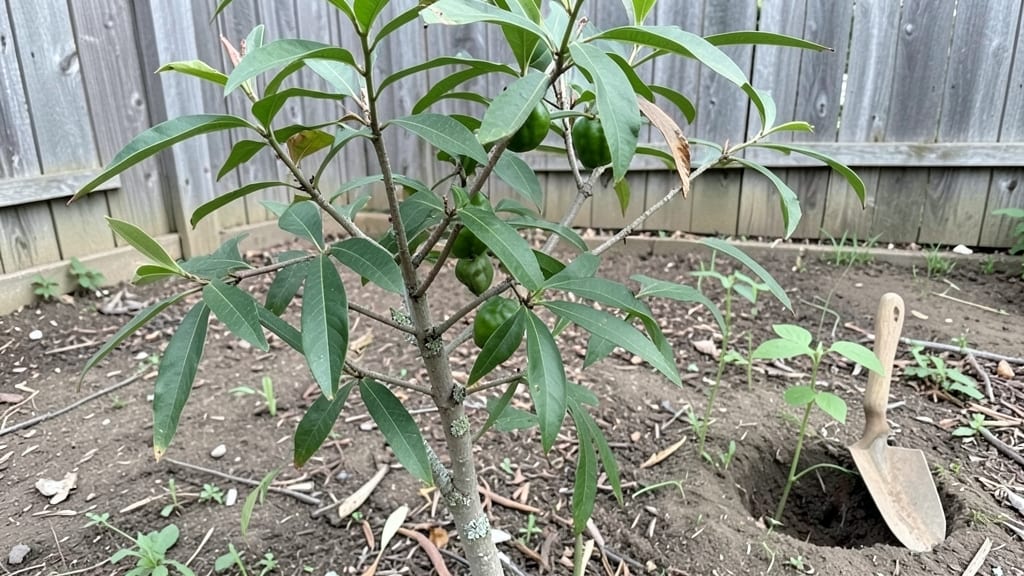
Transform your garden into a tropical oasis by growing a starfruit seed—watch those flat, papery seeds sprout into leggy seedlings, and with the right care, they can grow into sturdy trees—even in. containers. The key is patience, since fruit production takes years, but the journey is rewarding.
You’ll need a warm spot (70°F+), well-draining soil, and a sunny window or greenhouse to start. Starfruit thrives in subtropical climates but can adapt to containers if you bring them indoors during cold snaps.
The first challenge? Germination can take 30-60 days, so keep those seeds moist and in the light.
By year three, your seedling could reach 6 feet tall with proper pruning and care. The leaves turn glossy green, and with consistent watering (but no soggy soil), you’ll encourage strong growth. Even if fruiting takes years, the lush foliage alone makes it worth the wait.
Works in pots or garden beds, but only in frost-free zones. Here’s how to give your starfruit seed the best start—without waiting for a nursery tree.
📚 In This Guide
- What you need
- Instructions
- Tips and common mistakes
- Wrapping up and next steps
What you need
- ● Starfruit seeds: 1–3 fresh, plump seeds (harvested from ripe starfruit—avoid store-bought seeds if treated with chemicals).
- ● Potting mix: 2–3 cups of well-draining, sterile seed-starting mix (or a blend of 50% coconut coir + 50% perlite/vermiculite).
- ● Small pots or seed trays: 2–4 biodegradable pots (3–4 inches wide) or a seed tray with drainage holes.
- ● Drainage material: Small pebbles or a layer of perlite (½ inch thick) at the bottom of pots.
- ● Spray bottle: For gentle watering (avoid over-saturating seeds!).
- ● Plastic wrap or humidity dome: To create a mini greenhouse effect.
- ● Grow lights or sunny windowsill: A warm spot (70–85°F) with indirect light (6+ hours/day).
- ● Fertilizer: A balanced liquid fertilizer (5-5-5 or 10-10-10) diluted to half-strength for seedlings.
- ● Humidity tray: A shallow tray with water and pebbles to maintain moisture.
- ● Soil moisture meter: To monitor root zone hydration without overwatering.
- ● Support stakes: For when your sapling reaches 1–2 feet tall (starfruit trees can grow 20+ feet!).
- ● Mulch: Organic mulch (like shredded leaves) once transplanted to retain moisture.
Step-by-step instructions for growing starfruit trees from seed
Turn that starfruit peel into a thriving tropical tree with these simple, proven steps.
Extract and Prepare the Seeds
First, clean the starfruit seeds thoroughly by rinsing them under cool water to remove any pulp or residue. Let them air-dry on a paper towel for 24 hours—this prevents mold and rot. I like to spread them out in a single layer, turning them occasionally so they dry evenly. Starfruit seeds have a tough outer coating, so I soak them in warm water for 24-48 hours afterward to soften it. This step mimics natural weathering and speeds up germination.
After soaking, gently rub the seeds between two paper towels to help break down the outer layer. You’ll see a slight change in texture—it should feel slightly softer to the touch. Place the seeds in a sealed plastic bag with a damp paper towel and store them in a warm spot (75-80°F) for 3-5 days. Check daily and mist the towel if it dries out. This warm, moist environment mimics tropical conditions and encourages the seed to sprout faster.
Plant the Germinated Seeds
Once the seeds sprout—you’ll notice a tiny white root emerging first—it’s time to plant them. Fill small pots (3-4 inches deep) with well-draining potting mix, leaving about 1 inch of space at the top. Make a small hole (½ inch deep) in the center of each pot using your finger, then place one seed in each hole. Cover it lightly with soil, pressing down just enough to secure it without compacting.
Water the pots gently until the soil feels evenly moist but not soggy. I like to use a spray bottle for this step to avoid disturbing the seeds. Place the pots in a warm, bright location, but avoid direct sunlight at first—indirect light is best for the first 2 weeks. Keep the soil consistently moist by checking the top inch daily. If it feels dry, water lightly again. Overwatering here is the biggest mistake—it causes the seeds to rot before they can grow.
Provide Ideal Growing Conditions
Once the seedlings emerge—typically within 2-4 weeks—move them to a location with bright, indirect light for the first few weeks. Starfruit trees thrive in full sun once established, but young seedlings can get scorched if exposed too soon. I start by placing them near an east-facing window, then gradually introduce more direct sunlight over 1-2 weeks. You’ll know they’re adjusting well when the leaves stay a vibrant green and don’t develop brown spots.
Keep the soil moist but not waterlogged—water when the top inch feels dry to the touch. A moisture meter helps here, but even your finger works if you’re gentle. Fertilize lightly with a balanced, water-soluble fertilizer (diluted to half strength) once the seedlings have 3-4 sets of true leaves. This encourages strong root and stem development without overwhelming the young plant. Avoid over-fertilizing, as starfruit trees are sensitive to excess salts.
Transplant and Encourage Growth
When the seedlings reach 6-8 inches tall and have 5-6 sets of leaves, it’s time to transplant them into larger pots (5-6 inches deep). Choose pots with drainage holes to prevent root rot. Fill the bottom 2 inches of the pot with a mix of potting soil and perlite (for drainage), then place the seedling in the center and backfill with soil, pressing lightly around the base. Water thoroughly after transplanting to help the roots settle.
Continue providing bright, indirect light for another 2-3 weeks, then slowly acclimate the seedlings to full sun over 10-14 days. You’ll see new growth as a sign they’re adjusting. Starfruit trees grow slowly at first, so patience is key. Once they’re 1-2 feet tall, you can fertilize again with a low-nitrogen, high-phosphorus fertilizer to encourage root and foliage growth. Prune any leggy or weak stems to promote a bushier shape—this helps the tree develop a stronger structure early on.
Maintain Long-Term Care
As your starfruit tree matures, it’ll need larger pots or garden space—these trees can grow 20-30 feet tall in tropical climates. Repot every 2-3 years or when the roots outgrow the container. Use a well-draining mix with 20% perlite or sand to mimic the sandy soils of their native habitat. Water deeply once a week during the growing season, allowing the top 2 inches of soil to dry out between waterings. Reduce watering in winter, but don’t let the soil dry out completely.
Starfruit trees are slow to bear fruit from seed—it can take 5-10 years—but the journey is rewarding. Keep an eye out for pests like spider mites or scale insects, which can stress young trees. If you notice sticky residue on leaves or yellowing foliage, treat with neem oil or insecticidal soap. With consistent care, your starfruit tree will thrive, offering fragrant flowers and—eventually—delicious fruit. The key is patience and consistency; these trees reward long-term commitment.
Tips & tricks for perfect starfruit seed germination
Turning kitchen scraps into a thriving tropical tree is easier than you think—once you know these game-changing tips.
Seed Preparation is Everything: The 24-hour drying time isn't just about removing moisture—it's about breaking down the natural inhibitors in the seed's tough outer shell. Spread seeds in a single layer and turn them every few hours to prevent uneven drying. I've found that using a fan on low speed during this process speeds up evaporation without damaging the seeds. After drying, the 24-48 hour warm water soak is non-negotiable—this mimics tropical rainfall patterns that naturally trigger germination in the wild.
Temperature Control Matters More Than You Think: Maintaining that 75-80°F range during the 3-5 day germination phase is critical. I recommend using a seedling heat mat set to 78°F if your home tends to run cooler. The warm, moist environment inside the sealed plastic bag creates the perfect microclimate, but if your kitchen dips below 70°F, germination can stall completely. Place the bag near your refrigerator's warm vent if needed—just don't let it get too hot, or the seeds will suffocate.
Planting Technique Prevents Common Failures: When creating that ½-inch deep planting hole, make it just slightly larger than your seed's diameter. Pressing the soil too firmly around the seed can restrict root growth, while leaving gaps creates air pockets that prevent proper contact. After planting, I like to place the pots in a clear plastic bag with small holes punched in it—this creates a mini greenhouse effect that maintains humidity without overwatering during those crucial first 2 weeks.
Light Transition Strategy Saves Seedlings: The gradual move from indirect to direct sunlight over 1-2 weeks prevents sunburn while still providing enough light for photosynthesis. Start with east-facing windows where morning light is gentle, then slowly rotate the pots to face south over the week. You'll notice the leaves develop a deeper green color as they acclimate—this is your signal that the transition is working. If you see yellowing or crispy edges, you've moved too quickly.
Pro Tips for Starfruit Seed Grow A Garden
- Turning kitchen scraps into a thriving tropical tree is easier than you think—once you know these game-changing tips.
- Seed Preparation is Everything: The 24-hour drying time isn't just about removing moisture—it's about breaking down the natural inhibitors in the seed's tough outer shell.
- Temperature Control Matters More Than You Think: Maintaining that 75-80°F range during the 3-5 day germination phase is critical.
Frequently asked questions
Got questions about growing starfruit from seeds?
You’re not alone! Here are answers to the most common queries to help you cultivate your tropical tree with confidence.
How long does it take for a starfruit seed to germinate?
A starfruit seed typically germinates in 2 to 4 weeks if kept in warm, moist conditions (around 70–85°F). Patience is key—some seeds may take longer, especially if stored dry. Keep the soil consistently damp (not soggy) and place the pot in indirect sunlight until sprouts appear. Pro tip: Soak seeds in water for 24 hours before planting to speed up germination.
Can I grow starfruit from a store-bought fruit?
Yes! Just save the seeds from fresh, organic starfruit (avoid waxed or treated skins). Rinse and dry the seeds thoroughly before planting. Warning: Starfruit contains psoralens, which can be toxic to pets—keep seeds and plants out of reach. Also, store-bought seeds may not produce true-to-type fruit, but the tree itself will still be beautiful and edible (eventually!).
How fast does a starfruit tree grow, and when will it bear fruit?
Starfruit trees grow moderately fast—expect 1–2 feet per year in ideal conditions (full sun, warm climate). However, fruit production takes 3–5 years from seed! Young trees need consistent care, and they thrive in USDA zones 10–12. In cooler climates, grow it in containers and overwinter indoors. Fun fact: Some varieties produce fruit in as little as 2 years, but patience rewards you with sweet, star-shaped harvests!
Why isn’t my starfruit seed sprouting? Troubleshooting tips.
If your seed isn’t sprouting, check these common issues:
- Cold soil: Starfruit seeds need warmth—use a heat mat or place the pot near a sunny window.
- Dry soil: Keep the soil moist but not waterlogged; overwatering can suffocate the seed.
- Old seeds: Fresh seeds germinate best; if yours are dried out, soak them overnight to revive.
- Low light: While seeds don’t need light to sprout, young seedlings thrive in bright, indirect light.
Can I grow starfruit indoors or in a container?
Starfruit trees adapt well to containers, making them perfect for apartments or small gardens. Use a 10–15 gallon pot with drainage holes and well-draining soil. Place it in full sun (a south-facing window or grow lights work). In winter, move it indoors near a sunny spot or use a grow light. Just remember: container-grown trees may take longer to fruit but are manageable year-round with care!
Wrapping up and next steps
Growing a starfruit tree from a seed is a rewarding journey that turns kitchen scraps into a thriving tropical beauty! 🌱 With the right conditions—patience, warmth, and a dash of care—you’ll nurture a plant that could one day bear delicious fruit.
Start small, but dream big: your seedling might just become the centerpiece of your garden or a gift to fellow plant lovers.
Ready to take the next step? Plant that seed today! If you’re eager to expand your green thumb skills, explore other tropical plants or share your starfruit adventure with gardening communities for tips and inspiration. Happy growing! 🌟