
Pests and Diseases
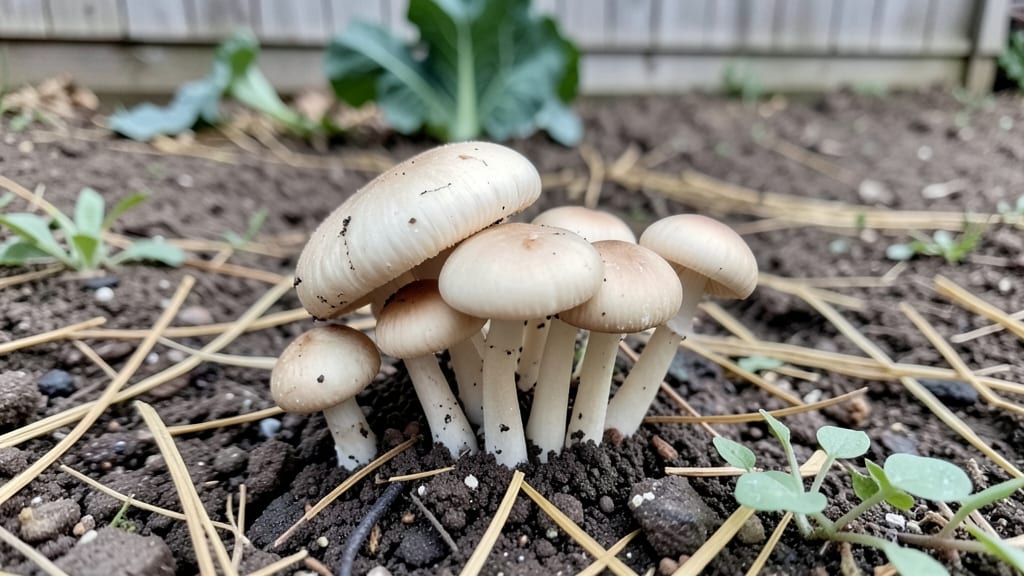
Finding small brown mushrooms popping up overnight in your garden is one of those surprises that turns a peaceful morning into a fungal mystery. 🌱 I’ve seen them appear after a heavy rain or in that shady corner where leaves pile up—always a sign that your soil’s playing host to something unexpected.
The good news? These aren’t usually dangerous, but they are a clue that moisture, decaying matter, or compacted soil might be inviting fungal guests.
Most of the time, these mushrooms are harmless—just nature’s way of breaking down old plant debris. But if they’re spreading fast or appearing in your veggie patches, it’s time to act.
The fix starts with simple steps: rake away the mushrooms, improve drainage, and avoid overwatering (that’s where I learned the hard way—too much moisture turns a garden into a fungal buffet). A quick vinegar spray can also discourage new growth without harming your plants.
What you’ll end up with is a cleaner garden bed and fewer surprises next season. The key is keeping soil aerated, removing organic debris promptly, and checking moisture levels before watering.
Think of it like giving your garden a fresh start—less mystery, more control. Let’s tackle this step by step so you can get back to enjoying your space without fungal interruptions.
Whether you’re dealing with a backyard plot, raised beds, or containers, the same principles apply. The difference between a minor annoyance and a full-blown problem often comes down to how quickly you address it. Here’s how to keep your garden thriving—and mushroom-free—without the guesswork.
Root Causes Behind Fungal Growth
Discovering small brown mushrooms sprouting in your garden isn’t just an eyesore—it’s a sign that your soil or environment is providing the perfect conditions for fungal growth. Understanding why these fungi appear helps you address the issue at its source.
Below, we break down the most common causes, backed by science, so you can take targeted action.
Fungi thrive in damp, oxygen-poor environments. When your garden retains too much moisture—whether from overwatering, heavy clay soil, or poor drainage—you’re essentially creating a fungal paradise.
Small brown mushrooms, often belonging to the Lyophyllum or Marasmius genera, flourish in these conditions because their mycelium (the underground network of fungal threads) can’t access enough oxygen to decompose organic matter efficiently.
Why it happens:
- Waterlogged soil: Fungi like Marasmius oreades (the "fairy ring" mushroom) appear in circular patterns where excess moisture concentrates. Their mycelium spreads outward, leaving a ring of mushrooms and often a dark, discolored "fairy ring" in the grass or soil.
- Compacted soil: Heavy foot traffic, machinery, or clay-heavy soil prevents water from draining, trapping moisture at the surface. Fungi exploit this by colonizing the top layer where organic debris (like mulch or dead leaves) accumulates.
- Irrigation issues: Sprinklers that wet foliage instead of soil, or drip systems that create localized soggy spots, encourage fungal spores to germinate.
💡 Pro Tip: Test your soil’s drainage by digging a 12-inch hole, filling it with water, and timing how long it takes to drain. If it takes more than 6 hours, your soil is too compacted. Amend with organic matter like compost or perlite to improve aeration.
Fungi are nature’s recyclers—they break down dead plant material, but when organic debris piles up uncontrollably, they go into overdrive. Small brown mushrooms often pop up in mulch, leaf litter, or compost heaps because these materials provide a rich, nitrogen- and carbon-filled buffet for fungal spores.
Why it happens:
- Thick mulch layers: Mulch over 4 inches deep can suffocate soil, trap moisture, and create anaerobic conditions—ideal for fungi like Psathyrella species. These mushrooms often appear as clusters in thick mulch or under logs.
- Unturned compost piles: If your compost heap isn’t regularly aerated, it becomes a hotspot for fungal growth. Mushrooms like Agrocybe aegerita (the "portobello" mushroom in its wild form) may emerge as the compost decomposes.
- Decaying wood or roots: Stumps, fallen branches, or buried roots provide a hidden food source. Fungi like Stropharia rugosoannulata (the "garden giant") can grow from wood chips or logs, sending up clusters of small brown mushrooms.
🔥 Action Step: Rake away thick mulch layers and redistribute them evenly (aim for 2–3 inches). Turn compost piles every 2–3 weeks to introduce oxygen and prevent fungal dominance.
Fungi are cold-loving opportunists. While they can survive in a range of temperatures, they peak in cool, humid conditions—typically between 50–75°F (10–24°C). If your garden stays in this sweet spot for extended periods (like spring or fall), you’ll see an explosion of small brown mushrooms.
Why it happens:
| Condition | Fungal Response | Example Mushrooms |
|---|---|---|
| Cool nights + warm days | Condensation forms on soil and plant surfaces, creating a humid microclimate. | Collybia spp. (slender, delicate mushrooms) |
| High humidity (>70%) | Fungal spores germinate faster; mycelium spreads aggressively. | Marasmius spp. (parasitic on dead plants) |
| Frost followed by thaw | Dormant fungal spores wake up as soil warms, leading to sudden outbreaks. | Flammulina velutipes (winter mushroom) |
✨ Prevention Tip: Improve airflow around plants by pruning dense foliage and avoiding overcrowding. Use soaker hoses instead of sprinklers to reduce leaf wetness, and consider a dehumidifier in greenhouses or shaded areas.
Fungi lie dormant in soil until something disrupts it—like tilling, digging, or even animal activity. When you turn over the earth, you expose buried mycelium to oxygen and light, triggering mushroom formation. Even pets or wildlife can accidentally spread fungal spores through their movement.
Why it happens:
- Tilling or aerating: Breaking up compacted soil releases trapped fungal networks. Fairy ring mushrooms often appear after aeration because their mycelium was previously suppressed.
- Construction or landscaping: Digging for new plants or installing hardscapes can expose dormant spores. Coprinus mushrooms (inky caps) may sprout in disturbed areas.
- Animal activity: Burrowing animals (like moles or gophers) or grazing livestock can mix soil layers, bringing fungal mycelium to the surface.
🎯 Long-Term Fix: Minimize soil disturbance by using no-till gardening techniques. If mushrooms appear after digging, avoid tilling the area for at least 6–12 months to let the mycelium decompose naturally.
By tackling these root causes—moisture, organic matter, temperature, and soil disruption—you can starve fungal growth before it starts. Next, we’ll explore how to accurately identify these mushrooms and choose the right eradication methods.
Fixing Fungal Overgrowth Naturally
Got those pesky small brown mushrooms popping up in your garden? Don’t panic—most aren’t toxic, but they can signal underlying soil or moisture issues. Here’s how to tackle them safely and effectively, whether they’re harmless saprophytes or signs of deeper problems.
Before grabbing the rake, confirm what you’re dealing with:
- Harmless saprophytes (like Agaricus or Marasmius): Break down organic matter—no need to panic, but clean up debris.
- Pathogenic fungi (e.g., Armillaria or Heterobasidion): Aggressive root invaders—act fast to prevent spread.
💡 Pro Tip: Snap a photo and check local fungal databases (like iNaturalist) or consult a plant clinic for ID help.
1.
Overly Wet or Compacted Soil 💦 Fix: Improve drainage and aeration. - 🔥 Dig & Amend: Loosen soil with a fork or tiller, mixing in compost or coarse sand to break up clay. - 👨🍳 Build Raised Beds: Elevate plants in containers or raised beds to prevent waterlogging. - ⏰ Mulch Strategically: Use straw or wood chips (not thick layers—keep 2–3 inches) to regulate moisture.
🌡️ Prevention: Install French drains or divert rainwater away from garden beds with swales.
2.
Decaying Organic Matter 🍂 Fix: Remove the food source. - 🔪 Rake Up Debris: Clear fallen leaves, old mulch, and plant waste—especially around tree bases. - 🥘 Compost Properly: If mushrooms sprout in your compost pile, turn it frequently and add nitrogen-rich greens (like grass clippings) to speed decomposition. - 🌱 Bury or Bag: Seal infested mulch in black plastic bags for 2–3 weeks to kill spores.
✨ Prevention: Chop and drop healthy plant material (like grass clippings) thinly to avoid creating a fungal buffet.
3.
Pathogenic Fungi Attacking Roots 🦠 Fix: Isolate and treat aggressively. - 🍳 Prune Infected Plants: Cut back affected roots (sterilize tools with 70% isopropyl alcohol). - 🔥 Solarize Soil: Cover the area with clear plastic for 4–6 weeks in hot sun to kill spores. - 💊 Apply Fungicides: Use copper-based sprays or phosphite fungicides (like Subdue) for stubborn pathogens.
🎯 Prevention:
- Rotate crops if growing edibles.
- Plant resistant varieties (e.g., choose Armillaria-resistant oak trees).
- Avoid wounding plants (prune carefully to prevent entry points).
4.
Lawn Mushrooms from Thatched Grass 🌿 Fix: Revive your lawn. - 🔪 Dethatch: Rent a lawn dethatcher to remove the thick layer where mushrooms thrive. - 👨🍳 Overseed: Rake in new grass seed and topsoil to crowd out fungi. - ⏰ Adjust Watering: Water deeply 2–3x/week (early morning) instead of daily light sprinkles.
💡 Prevention: Aerate annually and fertilize with slow-release nitrogen to strengthen grass roots.
- ❌ Don’t use bleach or harsh chemicals—they harm soil microbes and can backfire.
- ❌ Avoid tilling infected areas—this spreads spores underground.
- ❌ Ignore them—even "harmless" mushrooms can weaken plants over time.
| Action | How Often |
|---|---|
| Remove fallen debris | Weekly |
| Test soil moisture | Before watering |
| Aerate compacted soil | Spring/Fall |
| Rotate garden beds | Every 3–4 years |
| Inspect new plants | Before planting |
Final Thought: Most small brown mushrooms are a nuisance, not a crisis—but addressing the root cause (literally!) keeps your garden thriving. Start with removal + soil fixes, and you’ll see fewer sprouts next season. 🌱✨
Frequently asked questions
Are small brown mushrooms in my garden dangerous to plants or pets?
Most small brown mushrooms are harmless saprophytes that decompose organic matter, but some can indicate soil issues. While they rarely harm plants directly, certain species like Armillaria (honey fungus) can attack roots. For pets, avoid letting them ingest wild mushrooms—some can cause stomach upset. Always remove clusters and improve drainage to prevent recurrence.
How do I tell if these mushrooms are edible or poisonous?
Never eat wild mushrooms unless you're 100% certain of their identity. Small brown mushrooms in gardens are rarely edible species like button mushrooms. Use a field guide or app like iNaturalist to identify them safely. When in doubt, assume they're inedible—many wild look-alikes can be toxic.
What's the fastest way to get rid of them without chemicals?
Remove mushrooms by hand or with a rake, then improve drainage by loosening soil with compost. For stubborn cases, apply a 1:1 vinegar-water spray (never undiluted) to the affected area. Prevent recurrence by keeping mulch thin (2-3 inches) and avoiding overwatering.
Will these mushrooms come back if I don't treat the soil?
Yes, they'll likely return if underlying conditions persist. Fungi spread through spores that survive in soil for years. The key is addressing moisture levels, organic matter buildup, and soil compaction. Regular maintenance (raking debris, proper mulching) prevents future outbreaks.
Can I still compost if mushrooms keep appearing in my pile?
but you'll need to adjust your composting method. Turn the pile frequently to introduce oxygen and add more nitrogen-rich greens (like grass clippings). Avoid letting it get too wet—aim for a damp sponge consistency. Properly managed compost rarely produces mushrooms.