
Pests
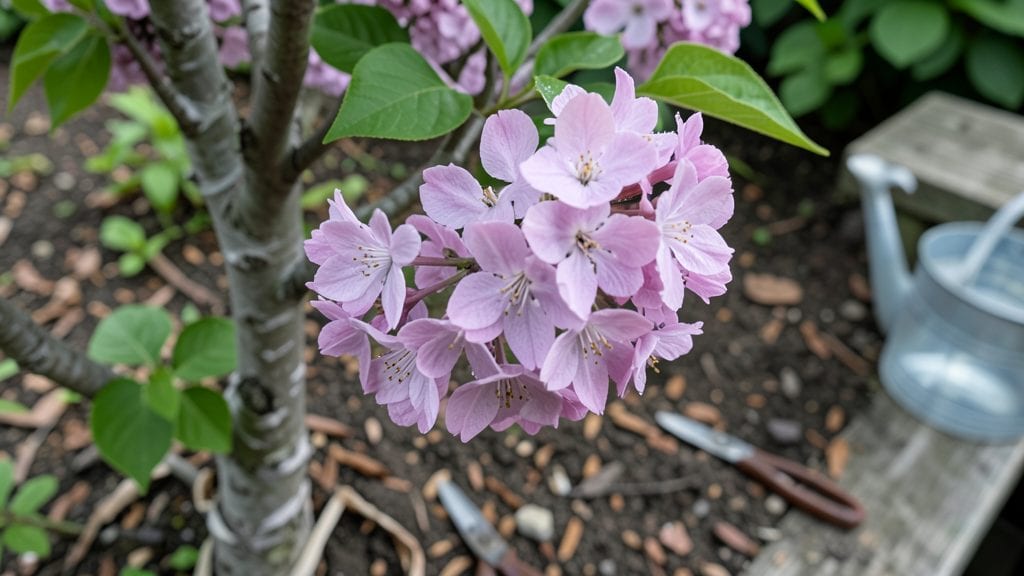
A squirrel prevention garden isn’t just about saving your tomatoes—it’s about reclaiming your yard from these clever, persistent chewers. 🌱 I learned the hard way when my prized peonies became squirrel snacks overnight, and now I’ve got a foolproof system that keeps them out without cruelty.
The key? Layering physical barriers, smart plant choices, and natural deterrents that work together like a fortress.
Most people grab pepper spray or wind chimes and call it a day, but that’s like playing whack-a-mole. Instead, I focus on three simple layers: sturdy wire mesh for raised beds, squirrel-resistant plants like daffodils and alliums, and motion-activated sprinklers that scare them off without harm.
It takes about 30 minutes to set up the basics, and the results last all season.
By the end of this, you’ll have a garden where squirrels think twice before digging in. No more shredded leaves, stolen fruit, or chewed bark—just lush, undisturbed plants that thrive because they’re finally safe.
The best part? These methods work for vegetable patches, flower beds, and even tree saplings, so you can protect everything at once.
Whether you’re dealing with a single troublemaker or a whole squirrel colony, this approach adapts to any yard size. Let’s outsmart them the natural way—once and for all.
The Root Causes Of Squirrel Garden Raids
Squirrels may seem like harmless, bushy-tailed garden visitors, but they’re actually highly intelligent foragers with a serious appetite for your hard work. Understanding why they target your garden is the first step to outsmarting them.
These critters don’t just raid for fun—they’re driven by survival instincts, seasonal needs, and even learned behaviors. Let’s break down the science behind their garden heists.
Squirrels are opportunistic omnivores, meaning they’ll eat almost anything—seeds, bulbs, fruits, vegetables, and even bird feed. Their foraging habits peak in late summer and fall when they’re stockpiling food for winter. But even in spring and summer, they’re always on the lookout for easy meals.
- Natural food depletion: If nearby forests or woodlands have fewer acorns, nuts, or berries (due to drought, overharvesting, or climate shifts), squirrels turn to gardens as backup.
- High-energy snacks: Gardens offer concentrated, nutrient-rich foods like sunflower seeds, corn, and tender shoots—far easier to digest than digging up buried nuts.
- Urbanization effect: As wild habitats shrink, squirrels adapt by raiding human-managed spaces, including suburban gardens.
💡 Pro Tip: If you’ve noticed squirrels digging near your bulbs or seed packets, they’re likely caching food for later. Their short-term memory is terrible, but they rely on spatial cues—so scattered seeds = free snacks.
In the wild, squirrels face threats from birds of prey, snakes, and larger mammals. But in cities and suburbs, these predators are often absent, giving squirrels bold, fearless access to gardens. Without natural checks, their populations explode, and so does their appetite for your plants.
- Safety in numbers: Urban squirrels live in denser colonies, meaning more mouths to feed—and more competition for resources.
- Human tolerance: Many people feed squirrels intentionally (e.g., birdseed on platforms), reinforcing the behavior that gardens = free food.
- Learned behavior: If a squirrel successfully raids a garden without consequences, its offspring will mimic the behavior.
🔥 Warning: If you’ve ever left fallen fruit or uneaten pet food outside, you’ve essentially invited a squirrel buffet. These animals have excellent memories and will return to the same spots repeatedly.
Not all gardens are equally tempting to squirrels. Their ability to access your plants depends on how your garden is designed. Open spaces, easy climbing routes, and unprotected food sources make your yard a prime target.
| Garden Feature | Why Squirrels Love It | How to Fix It |
|---|---|---|
| Uncovered soil | Easy digging for bulbs, tubers, and buried seeds. | Use mulch or wire mesh over planting areas. |
| Low-hanging fruit trees | No effort required—just climb and eat! | Install netting or spiky collars around trunks. |
| Bird feeders near gardens | Spilled seed = free snacks for squirrels too. | Use squirrel-proof feeders or move feeders away. |
| Thin tree bark or weak fences | Squirrels can chew through weak barriers. | Upgrade to hardware cloth or plastic-coated wire. |
✨ Key Insight: Squirrels are athletes. They can jump up to 10 feet horizontally and 6-8 feet vertically in a single leap. If your fence is less than 4 feet tall, it’s basically a welcome mat.
Squirrels aren’t just mindless eaters—they’re highly intelligent, with problem-solving abilities rivaling primates. Studies show they can remember thousands of food caches, use tools, and even plan for future needs.
If your garden presents a challenge (like a locked shed or a wire cage), they’ll find a way around it.
- Trial-and-error learning: If a squirrel fails to crack a nut with its teeth, it’ll try dropping it on a rock or using its paws—just like a human troubleshooting a problem.
- Social learning: Young squirrels watch adults and copy their techniques, including how to bypass human deterrents.
- Adaptability: If you try a spray repellent once, they’ll avoid it—but if it’s inconsistent, they’ll test it again and realize it’s harmless.
🎯 Actionable Takeaway: Squirrels respect consistency and difficulty. If your deterrents are unpredictable (e.g., only using pepper spray sometimes), they’ll keep coming back. Make your garden a hard sell with layered defenses.
Quick Fixes for Squirrel-Proofing Your Garden
Squirrels may be adorable, but their relentless digging, chewing, and nesting can turn your meticulously planned garden into a chaotic mess. The good news? With the right strategies, you can outsmart these furry troublemakers without resorting to harsh chemicals or expensive traps.
Below, we’ve mapped common squirrel problems to practical, nature-friendly solutions—so you can reclaim your garden with ease.
Squirrels love to snack on tender shoots, dig up bulbs (like tulips and daffodils), and gnaw on young seedlings. If your garden looks like a squirrel buffet, try these fixes:
🔥 Use Physical Barriers
- Chicken Wire or Hardware Cloth: Bury a 12-inch deep, 1-foot wide barrier around plant beds or bulb areas.
Squirrels can’t dig through it! - Tree Guards: Wrap young trees or shrubs in metal mesh guards to protect bark and roots. - Coffee Can Trick: Bury coffee cans (bottom removed) around bulbs—squirrels will dig but get frustrated when they hit the metal.
🍳 Spice Up Their Taste Buds
Squirrels hate strong smells and tastes. Sprinkle these around problem areas:
- Cayenne Pepper (mix with water and spray)
- Garlic or Chili Powder (reapply after rain)
- Predator Urine (fox or coyote urine—available at garden centers)
🌡️ Plant Deterrents
Squirrels avoid certain plants. Try:
- Daffodils (toxic to squirrels—plant near bulbs)
- Alliums (garlic family—strong scent deters them)
- Marigolds (smell repels squirrels)
Squirrels love nesting in cozy, hidden spots. If you hear scratching or find shredded insulation, act fast:
👨🍳 Seal Entry Points
- Inspect for Gaps: Check roofs, vents, and chimneys for holes larger than 2 inches (a squirrel’s favorite size).
- Use Steel Wool & Caulk: Stuff gaps with steel wool (they can’t chew through it) and seal with waterproof caulk.
- Install One-Way Exclusion Doors: Let trapped squirrels exit but not re-enter (humane but effective).
⏰ Remove Attractants
Squirrels nest where food is easy to find. Eliminate these temptations:
- Secure Trash Cans (use bungee cords or locks)
- Clean Up Fallen Nuts & Seeds (rake regularly)
- Avoid Bird Feeders Near Structures (opt for squirrel-proof feeders with baffles)
🎯 Use Ultrasonic Repellents
- Solar-Powered Sonic Devices: Emit high-frequency sounds that annoy squirrels but are inaudible to humans.
- Motion-Activated Sprinklers: Startles them away when they approach (great for sheds and decks).
Squirrels aerate your lawn like a pro—but their digging leaves unsightly mounds and damaged roots.
🔪 Install Underground Barriers
- Plastic Tree Rings or Root Barriers: Bury corrugated plastic (like Tree Guard) around garden edges.
- Landscape Fabric: Lay heavy-duty fabric under mulch to deter digging.
🌱 Rethink Mulch & Soil
- Use Gravel or Pebbles: Squirrels dislike the texture—sprinkle around vulnerable plants.
- Plant Ground Covers: Dense plants like creeping thyme or clover make digging harder.
💡 Pro Tip: The "Squirrel Maze" Trick
- Scatter Fake Eggs or Marbles: Squirrels avoid areas that feel "crunchy" underfoot.
- Plant Tall Grasses or Bamboo: Creates a natural barrier they’re less likely to cross.
If your apple, pear, or peach trees are being raided, squirrels are likely the culprits.
🍳 Netting & Cages
- Wrap Trees in Netting: Use fine mesh fruit tree netting before harvest season.
- Individual Fruit Cages: Protect single trees with wire cages (like for blueberries).
🌡️ Harvest Early or Late
- Pick fruit before it ripens (squirrels prefer soft, sweet fruit).
- If possible, harvest at night when squirrels are less active.
🎯 Distract with Alternatives
- Set up a squirrel feeder far from your fruit trees with unshelled nuts or corn.
- Plant sunflower seeds in a separate area to lure them away.
Once you’ve solved the immediate problem, keep squirrels out for good with these habits: ✅ Regular Inspections: Check for new entry points seasonally. ✅ Remove Food Sources: Don’t leave pet food, fallen fruit, or uncovered compost. ✅ Encourage Natural Predators: Install owl boxes or bat houses—squirrels avoid areas with these hunters. ✅ Rotate Repellents: Squirrels get used to smells, so switch up sprays and barriers every few weeks.
By combining physical barriers, smart planting, and squirrel psychology, you can create a garden that’s unappealing, inaccessible, and unwelcome to these clever critters. The key? Stay one step ahead—and soon, your garden will be the one place squirrels avoid! 🚫🐿️🌿
Frequently asked questions
What’s the most effective squirrel deterrent for raised garden beds?
Bury hardware cloth (1/4-inch mesh) around the perimeter of your raised beds, extending it 12 inches deep to prevent digging. For extra protection, add a 1-foot tall wire mesh barrier along the top edges—squirrels can’t climb or dig through it!
Will predator urine really keep squirrels away?
Yes, but only if applied consistently. Fox or coyote urine (available at garden centers) works best when re-sprayed every 2-3 weeks or after rain. The smell mimics natural predators, but squirrels adapt quickly—combine it with physical barriers for best results.
Can I use motion-activated sprinklers near delicate plants?
These sprinklers (like ScareCrow) are safe for plants and startle squirrels without harm. Just place them 1-2 feet from vulnerable areas—the sudden spray will send them scurrying. Water-sensitive plants may need temporary shielding during activation.
What plants do squirrels absolutely hate?
Squirrels avoid daffodils, alliums (garlic family), marigolds, and lavender due to their strong scents or toxicity. Plant these near high-risk areas like bulbs or seed beds. Bonus: These plants also repel other pests like deer and rabbits!
How do I stop squirrels from digging up my bulbs?
Try the coffee can trick: Bury coffee cans (bottom removed) around bulbs—squirrels will dig but hit metal and give up. For long-term protection, cover planting areas with hardware cloth before backfilling. Reapply mulch to hide the mesh neatly.