
Pests
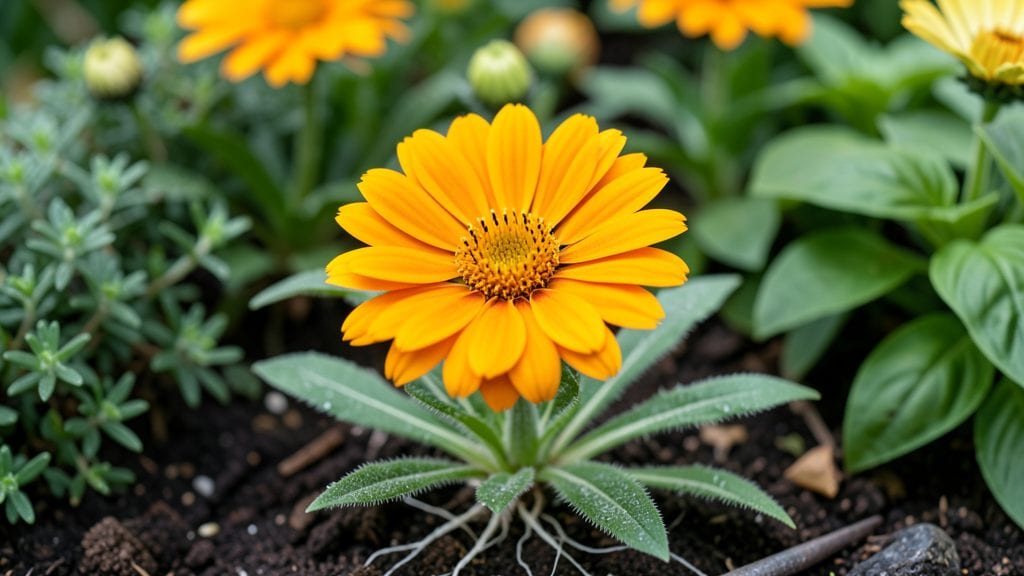
My slug prevention garden starts with one simple truth: these slimy pests won’t cross certain barriers—and I’ve tested the most effective ones firsthand. 🌱 The key isn’t just repelling slugs but creating a garden ecosystem where they’d rather take their slimy selves elsewhere.
After losing entire lettuce patches to overnight raids, I swapped chemical baits for smarter, natural solutions that actually work.
Physical barriers like copper tape (just 1/8-inch wide) and crushed eggshells around plants create invisible lines slugs can’t cross—no chemicals, no fuss. I also plant slug-hating companions like thyme, lavender, and marigolds near my veggies, which confuse their slime trails.
The best part? These methods protect your soil health while keeping your plants safe from those telltale ragged edges on leaves.
You’ll see results within days—fewer slime trails, no more overnight disappearances of your best tomatoes. The garden stays lush and productive without the guesswork of traps or toxic sprays. Plus, once you set up these barriers, they last the whole season with minimal upkeep.
Works for containers, raised beds, or in-ground gardens—no matter your setup, these slug-stopping strategies adapt easily. Here’s how to implement them without turning your yard into a science experiment.
Root Causes Of Slug Infestations
Slugs may seem like harmless garden guests, but they can become a destructive force when they overpopulate. Understanding why they thrive in your garden is the first step to keeping them at bay.
These slimy pests don’t just appear out of nowhere—they’re drawn to specific conditions that make your yard an all-you-can-eat buffet. Let’s break down the science behind their behavior and how your garden might be unintentionally inviting them in.
Slugs are 80-90% water by weight, which means they need moisture to survive. Without it, they dry out and die within hours. If your garden stays damp for long periods, you’re essentially rolling out the welcome mat for slugs. Here’s why moisture attracts them:
- High Humidity: Slugs thrive in environments with relative humidity above 80%. Overwatering, poor drainage, or shaded areas create the perfect humid microclimate. 🌡️ Pro Tip: Test your soil’s moisture by squeezing a handful—if water drips out, it’s too wet.
- Shady Spots: Direct sunlight evaporates moisture, but slugs avoid dry conditions. They hide under mulch, dense foliage, or rocks where humidity lingers. Ever notice them crawling out at dusk or after rain? That’s because they’re seeking shelter from drying winds.
- Poor Drainage: Clay soil or compacted ground traps water, creating slug highways. If your garden has standing water or soggy patches, slugs will treat it like a spa retreat.
Actionable Fix: Improve drainage with gravel, sand, or raised beds, and water deeply but infrequently (early morning is best). Slugs hate dry feet!
Slugs are generalist feeders, meaning they’ll munch on almost any plant—especially tender, young, or decaying vegetation. If your garden is a salad bar for slugs, they’ll stick around. Here’s what makes your plants irresistible:
- Decaying Matter: Slugs are drawn to rotting leaves, fallen fruit, and compost piles because they’re rich in nutrients and moisture. A messy garden = a slug smorgasbord. 🍂
- Succulent Plants: Hostas, lettuce, strawberries, and marigolds are top slug snacks because their soft leaves are easy to digest. Even herbs like basil and parsley aren’t safe.
- Lack of Natural Predators: Birds, frogs, and ground beetles love eating slugs—but if your garden lacks these predators (due to pesticides or habitat loss), slugs multiply unchecked.
Actionable Fix:
- Remove debris and fallen leaves regularly.
- Choose slug-resistant plants like lavender, thyme, or geraniums.
- Attract predators with bird feeders, frog-friendly ponds, or beetle habitats (like leaf litter piles).
Slugs are nocturnal, meaning they come out to feed under the cover of darkness. This behavior isn’t just habit—it’s survival strategy. Here’s why nighttime is their prime hunting time:
- Avoiding Predators: Birds and other daytime hunters give slugs a wide berth after sunset. Without natural threats, they feel safe to graze.
- Cooler Temperatures: Slugs are cold-blooded and slow down in heat. They wait for evening’s drop in temperature to become active.
- Higher Humidity: As the sun sets, moisture levels rise, keeping slugs hydrated and energized for their midnight snack runs.
Actionable Fix:
- Install motion-activated lights or solar-powered floodlights to deter nighttime foraging.
- Use beer traps or copper barriers (slugs hate the electric shock from copper).
- Check plants for slug slime trails in the morning—a sure sign of an overnight raid!
Sometimes, the biggest slug magnet in your garden is you. Unintentional actions like overwatering, poor mulching, or even how you landscape can create a slug paradise. Here’s how:
- Over-Mulching: Thick layers of mulch (especially organic mulch like wood chips) trap moisture and create slug hiding spots. A 2-3 inch layer is ideal—any thicker, and you’re building a slug hotel. 🏨
- Irrigation Mistakes: Sprinklers that water foliage (instead of soil) keep plants damp longer, signaling slugs that the buffet is open 24/7.
- Urban Heat Islands: Paved areas or dark roofs can raise local humidity at night, creating microclimates that slugs adore.
- Ignoring Edges: Slugs often enter gardens from grass, lawns, or wild areas. If your garden borders a damp, weedy patch, it’s an open invitation.
Actionable Fix:
- Use drip irrigation or soaker hoses to water at the base of plants.
- Keep mulch thin and well-aerated (consider gravel or inorganic mulch like rubber chips).
- Create a 1-foot bare-soil barrier around garden edges to deter slugs from crossing over.
Natural Ways to Banish Slugs
Slugs may seem unstoppable, but with the right strategies, you can reclaim your garden without harmful chemicals. 🌱 The key is understanding their weaknesses and using natural, eco-friendly solutions. Below, we’ve mapped common causes of slug infestations to practical fixes—plus prevention tips to keep them away for good.
Slugs thrive in moist, shaded areas where humidity lingers. If your garden feels like a swamp after rain, slugs will move in fast.
How to Fix It:
- 🍳 Raise Plant Beds: Elevate vulnerable plants (like lettuce or hostas) in raised beds with good drainage. Slugs struggle to climb vertical surfaces.
- 👨🍳 Improve Drainage: Amend heavy clay soil with compost or sand to help water drain faster. A well-draining garden = fewer slug hideouts.
- ⏰ Water Strategically: Water plants at the base (not overhead) and early in the day so soil dries quicker.
Prevention Tip: 💡 Add gravel or coarse sand around plant bases to create a dry barrier slugs won’t cross.
Slugs love organic matter—mulch, fallen leaves, and rotting wood provide food and shelter.
How to Fix It:
- 🔪 Trim Back Mulch: Replace thick mulch layers with straw or pine needles, which are less appealing to slugs.
- 🌡️ Clear Debris: Rake up leaf litter, fallen fruit, and compost piles away from plants. Store compost bins securely (with lids).
- ✨ Use Slug-Resistant Mulch: Try cedar chips or crushed eggshells—both deter slugs while improving soil.
Prevention Tip: 🎯 Avoid over-mulching near young seedlings; slugs will feast on tender stems.
Slugs are nocturnal and avoid bright light. If they’re still attacking, they’re hiding in dark corners.
How to Fix It:
- 🔦 Install Solar Lights: Place solar-powered path lights near garden edges to illuminate slug highways.
- 🕯️ Create Light Barriers: Use white gravel or reflective tape around beds—slugs dislike crossing bright surfaces.
- 🕵️ Night Patrol (Optional): If infestations are severe, handpick slugs at dusk with a flashlight and drop them in soapy water.
Prevention Tip: 💡 Plant slug-repelling herbs like mint, thyme, or garlic near vulnerable plants—their strong scents confuse slugs.
Slugs multiply fast in dense, shaded gardens. If your plants are packed too closely, they’ll have a slug party.
How to Fix It:
- 🌱 Thin Out Plants: Space seedlings 12–18 inches apart to improve airflow and reduce humidity.
- 🪴 Use Slug-Proof Plants: Grow slug-resistant varieties like rosemary, lavender, or African marigolds as borders.
- 🔄 Rotate Crops: Avoid planting the same slug-loved crops (like lettuce or kale) in the same spot yearly.
Prevention Tip: 🎯 Add a "slug trap"—bury a shallow dish filled with beer or yeast water near infested areas. Slugs crawl in but can’t escape.
Slug eggs overwinter in soil, hatching when conditions are right. If you spot tiny gelatinous clusters, act fast.
How to Fix It:
- 🔪 Scrape & Dispose: Use a trowel to remove egg masses (they look like tiny pearls) and drop them in soapy water or vinegar.
- 🌡️ Solarize Soil: In late summer, cover infested areas with clear plastic for 4–6 weeks to bake eggs out.
- 💡 Prevent Future Eggs: Apply diatomaceous earth (food-grade) lightly around plants—it dehydrates eggs and adult slugs.
The best offense is a multi-layered barrier. Combine these tactics for lasting protection:
| Barrier Type | Materials to Use | How to Apply |
|---|---|---|
| Physical Barriers | Copper tape, crushed eggshells | Wrap copper tape around pots; scatter shells near beds. |
| Natural Repellents | Coffee grounds, garlic spray | Sprinkle grounds after watering; spray garlic-water mix weekly. |
| Plant Guards | Slug-resistant borders (e.g., geraniums) | Plant around vulnerable crops. |
| Traps | Beer traps, shallow dishes | Bury containers filled with beer or yeast. |
Final Pro Tip: 🌱 Encourage natural predators like birds, frogs, and ground beetles by adding a small pond or birdbath to your garden. A balanced ecosystem = fewer slugs!
By targeting slugs’ favorite conditions—moisture, shelter, and food—you can create a garden where they simply won’t stick around. 🚫🐌 Try one or two fixes this week, and watch your plants thrive!
Frequently asked questions
What’s the fastest way to stop slugs from attacking my seedlings overnight?
Use a copper tape barrier—just wrap a 1/8-inch strip around pots or create a ring around plant bases. Slugs get a mild electric shock and avoid crossing it. For immediate results, combine it with crushed eggshells scattered around the soil edge. This combo works within 24 hours.
Are beer traps humane and effective for slug control?
Beer traps work by luring slugs into shallow dishes of beer or yeast water, but they’re not humane—they drown slugs. For a more ethical approach, use soapy water traps instead. Place a dish with soapy water near infested areas; slugs crawl in and dissolve. Empty traps daily to maintain effectiveness.
Can diatomaceous earth harm my plants or beneficial insects?
Food-grade diatomaceous earth is safe for plants when applied correctly, but it can harm earthworms and bees if overused. Sprinkle a thin layer (1/4 inch) around plant bases, avoiding direct contact with leaves. Reapply after rain. For extra protection, combine it with slug-resistant plants like lavender or rosemary to minimize reliance on it.
Why do slugs always return after I remove them by hand?
Slugs return because they’re drawn to the same conditions—moisture, shade, and food. After removing them, address the root cause: improve drainage, reduce mulch thickness, and remove decaying matter. Add a 1-foot bare-soil barrier around garden edges to block new arrivals. Slugs won’t cross dry, open ground.
What are the best slug-resistant plants for container gardens?
For containers, choose drought-tolerant, aromatic plants like lavender, thyme, oregano, and rosemary. Their strong scents repel slugs naturally. Pair them with geraniums or snapdragons as borders. Elevate pots on feet or bricks to prevent slugs from crawling up, and use gravel mulch instead of organic options.