
Tools
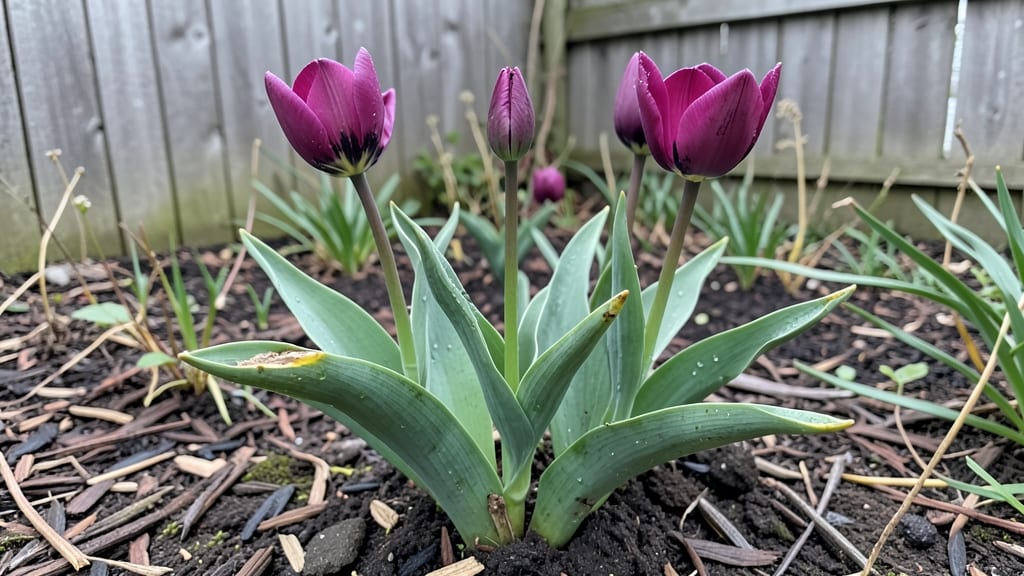
Understanding spring garden weather helps you time plantings perfectly—ideal conditions span 50°F to 75°F (10°C to 24°C), but cool-season crops like lettuce grow best between 40°F (4°C) and 65°F (18°C), while warm-season plants like tomatoes need soil above 60°F (15°C). Frost-free dates and humidity levels also shape your success.
Spring's shifting temperatures create a delicate balance for gardeners.
The 50°F to 75°F (10°C to 24°C) range isn't just about comfort—it's when soil warms enough for seeds to germinate while avoiding heat stress. 🌱 I've found that monitoring soil temperature (not air temperature) is key, since it can lag behind by weeks.
For example, in Zone 5, you might plant peas in early spring when soil hits 40°F (4°C), but wait until late May for tomatoes when soil reaches 65°F (18°C).
Humidity plays a sneaky role too—high moisture can invite fungal diseases in young seedlings, while dry spells stress tender plants.
That's why I always check local frost dates and adjust my schedule: if your last frost is April 15, you might start cool crops indoors 6 weeks earlier, but delay warm-season plants until after that date. A simple soil thermometer ($15) saves more headaches than you'd think!
💡 In This Article
- How Temperature and Frost Affect Spring Planting
- Regional Spring Planting Calendars and Tools
How temperature and frost affect spring planting
Here's what's actually happening in your soil when spring arrives: seeds need specific temperature ranges to trigger germination, and these thresholds vary wildly by plant type.
The enzymatic activity inside seeds accelerates at 60°F (15°C)—this is why warm-season crops like peppers and cucumbers won't sprout until soil reaches this mark. Cool-season crops like spinach, however, can germinate at 40°F (4°C) because their enzymes work efficiently in cooler conditions.
The key factor is cell membrane fluidity: warmer temperatures make cell membranes more permeable, allowing water and nutrients to flow more easily into the seed.
Frost dates create a biological deadline for gardeners. A hard frost (28°F/-2°C) can kill tender seedlings instantly by causing ice crystal formation in plant cells, rupturing their structure.
This is why most planting guides recommend waiting until after your average last frost date—which can vary by 2-4 weeks between Zone 5 (northern climates) and Zone 9 (southern climates).
For example, in Zone 5, you might plant tomatoes 2 weeks after your last frost, while in Zone 9, you could start them as early as February. The science here involves plant hardiness zones, which map average minimum temperatures over time.
Humidity adds another layer of complexity because it directly affects disease risk. Young plants with wet foliage for prolonged periods become prime targets for powdery mildew and downy mildew—fungal spores thrive in 70-90% humidity ranges.
This is why I always space my seedlings properly and avoid overhead watering in spring. The stomata (pores) on leaves remain open longer in humid conditions, making plants more susceptible to infection. In contrast, 30-50% humidity creates an ideal environment for healthy transpiration without inviting fungal growth.
Regional differences highlight how climate zones interact with planting success. In Zone 5, where winters are harsh, gardeners often use row covers to extend the growing season by 2-3 weeks in spring, creating a 5-10°F (3-6°C) warmer microclimate.
Meanwhile, in Zone 9, the challenge is often heat stress—plants like lettuce bolt (go to seed) when soil temperatures exceed 75°F (24°C). This is why shade cloth becomes essential in southern climates during spring planting.
What most people don't realize is how soil temperature lags behind air temperature—sometimes by 2-4 weeks. This is why a soil thermometer ($15) is my #1 recommended tool. For instance, while your air might hit 70°F (21°C) in April, the soil might still be 50°F (10°C).
Planting warm-season crops too early in cool soil leads to poor germination rates and stunted growth. The solution? Monitor soil temps for 5-7 days before planting to ensure consistency.
One final nuance: day length matters. Many plants use photoperiodism (light exposure) to trigger flowering. For example, spinach bolts when days exceed 14 hours of light—common by late May in most zones. This is why I always check sunlight hours alongside temperature when planning spring crops. 🌱