
Advice
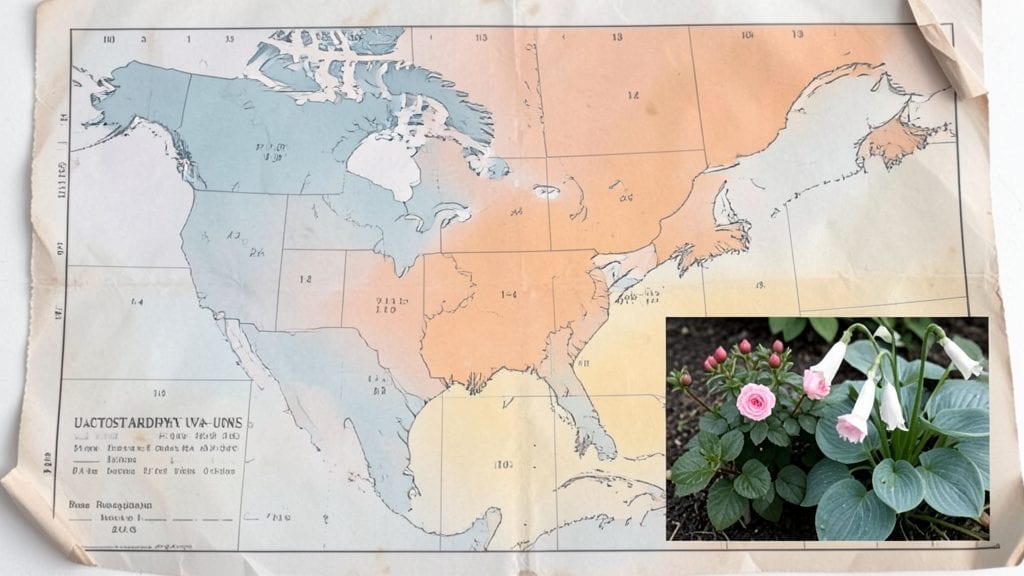
Climate zones gardening determines which plants thrive in your area by classifying regions based on temperature ranges, frost dates, and precipitation patterns. Matching plants to USDA Hardiness Zones or Köppen-Geiger classifications ensures optimal growth and survival.
Understanding climate zones gardening means knowing how your local environment shapes what grows best in your yard. The USDA Hardiness Zone Map divides the U.S. into 13 zones based on average minimum winter temperatures, while the Köppen-Geiger system considers precipitation and seasonal variations.
For example, a Zone 5 gardener in the Midwest will struggle with tropical plants suited for Zone 10 in Southern California. Microclimates—like a south-facing wall or shaded garden bed—can also shift growing conditions by 5-10°F, so always test your soil and observe local frost patterns before planting.
Beyond hardiness, climate zones gardening also dictates planting timing and care routines. Drought-tolerant succulents thrive in arid Zone 7b areas, while humidity-loving ferns need consistent moisture in Zone 8 coastal regions. I recommend starting with native plants—they’re already adapted to your zone’s challenges, from late-spring frosts to summer heatwaves.
For precise guidance, check the USDA Plant Hardiness Zone Finder and adjust mulching or irrigation based on your zone’s specific needs.
💡 In This Article
- How USDA Hardiness Zones Define Plant Survival
- Choosing Plants for Your Climate Zone Guide
How USDA hardiness zones define plant survival
The USDA Hardiness Zone Map divides North America into 13 zones (1-13) based on the average annual minimum winter temperature, measured in 10°F increments. Zone 1 (-60°F to -50°F) covers Alaska’s tundra, while Zone 13 (above 100°F) includes Hawaii’s tropical climates.
This system helps gardeners predict which plants can survive winter’s coldest nights—the critical factor for long-term survival. For example, a Zone 3 plant like the Siberian pea shrub can endure -40°F, while a Zone 10 palm tree wilts in 20°F frost.
Each zone is further split into "a" and "b" subzones, representing 5°F differences. For instance, Zone 6a (-10°F to -5°F) is colder than Zone 6b (-5°F to 0°F). These distinctions matter because a 5°F drop can mean the difference between a plant thriving or dying.
The map also accounts for seasonal variations: coastal areas may have milder winters than inland zones at the same latitude, thanks to ocean currents. For example, Zone 9 San Francisco enjoys 60°F winters, while inland Zone 9 Sacramento dips to 25°F.
Microclimates—small areas with unique conditions—can shift your effective zone by 5-10°F. A south-facing wall absorbs heat, creating a Zone 7 pocket in a Zone 5 garden. Conversely, low-lying areas trap cold air, mimicking a colder zone.
To test your microclimate, place a minimum thermometer in suspect spots over winter. This explains why a Zone 4 gardener might grow Zone 5 roses near a brick wall but lose them in an open bed.
Extreme zones showcase the system’s precision. In Zone 1, only hardy perennials like wintergreen (surviving -60°F) or arctic willow thrive, while Zone 10 tropicals like bird of paradise or bougainvillea require year-round warmth.
Even within zones, elevation changes matter: Denver’s Zone 5 sits at 5,280 feet, while nearby Zone 6 plains lie at 3,000 feet. The key takeaway? Your zone isn’t just about latitude—it’s a snapshot of your local climate’s harshest winter night.
What most gardeners overlook is how soil temperature interacts with air temperature. Cold soil can kill roots even if air temps are above freezing. In Zone 6, spring-planted bulbs like tulips need 6-8 weeks of chilling (40-50°F) to bloom.
Plant too early, and frost will damage them; too late, and they’ll flop. The USDA map’s limitations highlight why local frost dates and chill hours are equally critical for success.
For precision, cross-reference the USDA map with your last frost date (found via NOAA climate data) and first frost date. In Zone 7, this might mean planting tomatoes after May 15 but harvesting before October 1.
The science here is simple: plants survive where their cold tolerance matches your zone’s lowest recorded temp—not just averages. 🌱