
Flowers
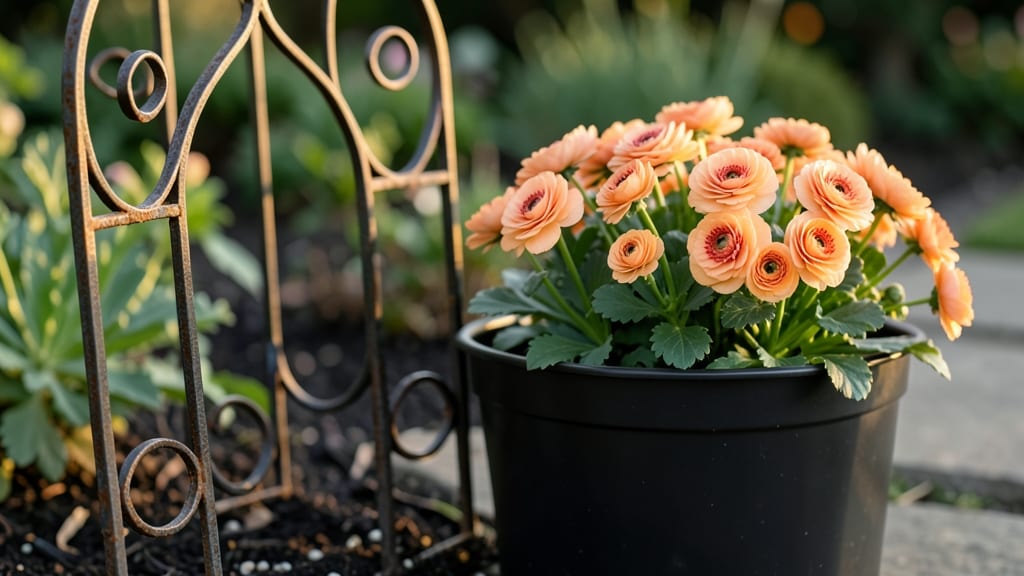
The poem 'Sisters are the same flowers from a different garden' captures how siblings inherit shared DNA but develop distinct personalities shaped by life's unique experiences—like identical seeds growing into different plants based on their environment. This analogy reveals how family bonds blend genetic roots with individual growth.
The garden metaphor works beautifully because it translates abstract sibling dynamics into tangible botanical science. 🌱 Just as two sunflower seeds planted in the same patch will grow differently depending on soil quality or sunlight exposure, sisters often share core values but express them through different life paths.
This poem turns an emotional truth into a visual lesson about nature's balance between sameness and diversity.
What makes this analogy powerful is how it validates both connection and individuality simultaneously. Many people struggle with the tension between feeling "the same" as siblings while also wanting to stand out—this garden imagery resolves that conflict elegantly.
The poem suggests that our shared roots don't diminish our unique growth; they make it possible.
💡 In This Article
- How Gardening Mirrors Sibling Growth Patterns
- Planting a Garden to Honor Sibling Bonds
How gardening mirrors sibling growth patterns
Here's what's actually happening when you compare siblings to flowers from different gardens: it's all about the dance between genetics and environment.
Take marigold seeds—if you plant two identical varieties in separate gardens, one might grow 24 inches tall with vibrant orange blooms in full sun, while its counterpart in partial shade could reach only 18 inches with deeper yellow petals.
This isn't random; it's how photoperiodism (light sensitivity) and nutrient availability interact with the plant's DNA to create visible differences while maintaining core species traits. 🌻
The science gets even more precise with hybrid plants like zinnias.
When you cross two parent plants with similar genetics but grow them in different soil pH levels (one at 6.5, another at 7.5), you'll see how iron uptake changes leaf color from deep green to pale yellow—yet both plants will still produce the same flower shapes.
This mirrors how sisters might inherit the same family humor but express it differently based on their upbringing environments. The garden shows us that shared DNA doesn't mean identical outcomes—it's the conditions that sculpt the differences.
What most people don't realize is how microclimates within a single yard create these variations. A 10-foot difference in elevation can mean 5°F temperature variation, which affects bloom times by 1-2 weeks in perennials like peonies.
This is nature's way of demonstrating that even in the same family (garden), small environmental shifts produce measurable differences. The poem captures this perfectly by suggesting that while sisters share the same "seed" (family), their "gardens" (lives) shape their unique expressions. 🌿
Consider the root system analogy: siblings share similar root structures (family values) but develop different above-ground growth patterns based on available resources. A sunflower in poor soil might allocate more energy to leaf production (survival mode) while one in rich compost focuses on towering 6-foot stems (growth mode).
This biological response to conditions directly parallels how siblings might prioritize different life aspects based on their personal "soil" of experiences and opportunities.
The most compelling evidence comes from grafting experiments where identical plant cuttings produce different fruits when grafted onto different rootstocks. A Granny Smith apple tree grafted onto a dwarfing rootstock will stay small, while the same variety on a standard rootstock grows large—yet both produce identical apples.
This proves that while the "flower" (personality) may vary, the core "fruit" (fundamental traits) remains consistent, just like siblings who develop differently but share family characteristics. 🍎
What this botanical metaphor teaches us is that sibling bonds aren't about uniformity—they're about recognizing how shared origins create space for beautiful diversity. The garden shows us that both the sameness and differences are natural outcomes of the same fundamental process: growth.
When you see two identical plants thriving in different conditions, you're witnessing the same truth the poem expresses about sisters—united by roots, expressed through individual blooms. 🌸