
Companion Plants
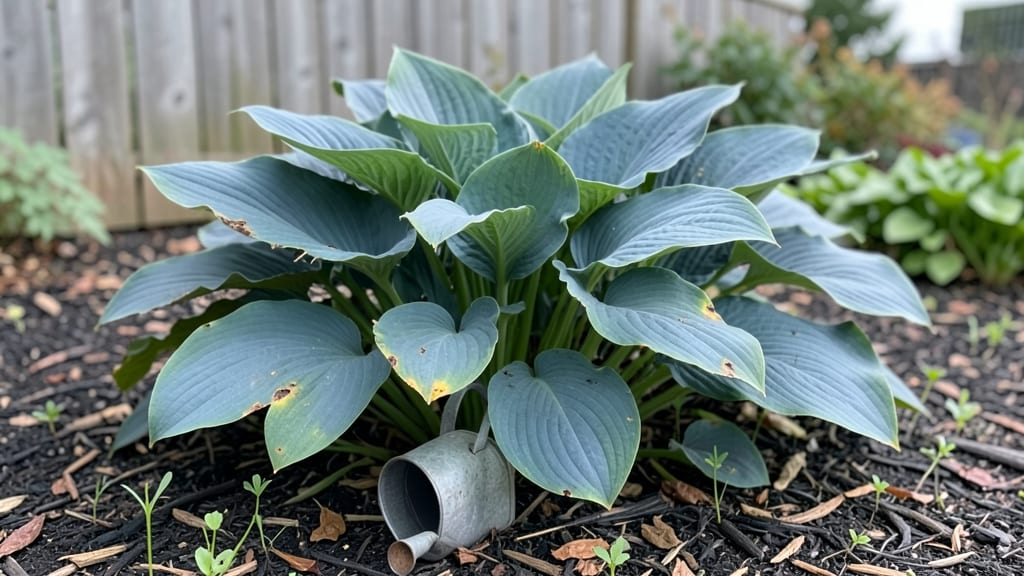
Shady garden plants prove that lush gardens aren't just for sunbathers—some of the most dramatic foliage and reliable blooms thrive where others fade. I’ve turned my dimly lit backyard corner into a thriving woodland retreat using plants that don’t just survive shade but outperform sun-lovers in texture and color.
The key? Matching leaf types, root depths, and moisture needs to create layers that work together, not compete.
You don’t need fancy equipment—just a moisture meter (or your finger), a sharp pair of pruners, and a willingness to mix textures like hosta’s velvety leaves with fern’s delicate fronds. Annuals like impatiens and begonias add bursting color, while perennials like astilbe and heuchera deliver year-round structure.
Even shrubs like hydrangeas and pieris step up when given the right shade conditions, blooming bigger and longer than in full sun.
Imagine a garden where deep greens contrast with silver foliage, and white or purple blooms pop against mossy ground covers. That’s the magic of layering: tall shrubs in back, mid-height perennials in the middle, and cascading ground covers up front.
The result? A low-maintenance space that feels alive even when the sun’s hiding—perfect for under trees, north-facing yards, or shady patios.
Here’s where it gets interesting—some shade-loving plants actually prefer dappled light, while others tolerate deep shade. We’ll break down the best pairings for your specific light conditions, plus how to troubleshoot common shade-garden struggles like leaf scorch or floppy stems.
Let’s make that shadowy spot the star of your outdoor space.
📚 In This Guide
- What you need
- Instructions
- Tips and common mistakes
- Wrapping up and next steps
What you need
- ● Shady garden plants: Choose from 5–10 varieties (e.g., Hostas, Ferns, Hellebores, Astilbes, Lungwort). Aim for a mix of heights (6"–36") and textures.
- ● High-quality potting soil: 1–2 bags (5–10 cubic feet each) of moisture-retentive, well-draining soil (e.g., Miracle-Gro Garden Soil or FoxFarm Ocean Forest).
- ● Compost or organic matter: 1–2 gallons of aged compost or leaf mold to enrich soil.
- ● Mulch: 2–3 bags of shredded bark, wood chips, or pine straw (3–4 inches thick) to retain moisture.
- ● Garden trowel: 1 medium-sized (6"–8") for planting.
- ● Hand pruners: 1 pair (bypass pruners for clean cuts).
- ● Garden gloves: 1 pair (heavy-duty for protection).
- ● Watering can or hose with a gentle spray nozzle: 1 (for delicate watering).
- ● Measuring tape or ruler: 1 (for spacing plants 12"–36" apart).
- ● Slow-release fertilizer: 1 packet (e.g., Osmocote Smart-Release) for nutrient boosts.
- ● Garden kneeler or pad: 1 (to protect your knees!).
- ● Plant markers: 5–10 (to label varieties).
- ● Shade cloth: 1 roll (if your area gets partial shade and needs extra protection).
How to design a thriving shady garden layer by layer
This isn't about settling for scraps—it's about crafting a lush, intentional understory that works harder than sun-loving plants.
Assess Your Shade Conditions Precisely
Not all shade is equal. Stand in your garden at the darkest part of the day and note whether you have dappled shade (filtered light through trees), partial shade (4-6 hours of morning sun), or deep shade (less than 2 hours of light). I use a light meter to quantify light levels—under 1,000 foot-candles means you're in deep shade territory where only the hardiest plants will flourish.
Sketch your garden with these zones marked. The key is matching plant needs to exact light conditions. A hosta in full shade will thrive, but the same plant in partial shade will bolt prematurely. Observe which areas stay damp longest—these spots need moisture-retentive plants like astilbe or ferns, while drier shady corners suit heuchera or sedum.
Build Your Plant Layers Strategically
Start with the tallest plants at the back (typically 6-8 feet tall) like Japanese maples or cimicifuga to create a canopy. These should be spaced 4-6 feet apart to allow air circulation. Next, add mid-height plants (3-5 feet) such as hydrangeas or foxgloves in the middle layer, placing them 2-3 feet from the back row. Finally, fill the front with ground covers like ajuga or lamium to suppress weeds and retain moisture.
I always stagger plant heights by 6-12 inches between layers to create visual flow. Avoid planting anything taller than 3 feet in the front row—it'll block light from reaching your lower layers within a season. Use moss or low-growing ferns as a living mulch in gaps to keep the soil cool and retain moisture year-round.
Amend Soil for Shade-Loving Roots
Shade plants hate compacted, nutrient-poor soil. Work in 3-4 inches of organic matter (compost or well-rotted leaf mold) into the top 12 inches of soil. For deep shade areas, mix in pearlite or coarse sand to improve drainage—root rot is the silent killer of shade plants. I like to add a slow-release fertilizer (10-10-10) at planting time to give plants a head start, but avoid high-nitrogen blends that encourage weak, floppy growth.
Test your soil pH—most shade plants prefer slightly acidic to neutral (5.5-7.0). If your soil is heavy clay, create raised beds (12-18 inches deep) to give roots room to breathe. Mulch with 3-4 inches of shredded bark or pine needles to regulate soil temperature and reduce evaporation. Refresh the mulch annually in spring to maintain its effectiveness.
Water Deeply and Infrequently
Shade gardens stay moist longer, but that doesn't mean they don't need consistent watering. Water deeply once a week (or more in extreme heat) to encourage deep root growth. I use a soaker hose placed at the base of plants to deliver water slowly—surface watering leads to fungal diseases like powdery mildew on leaves. Water in the early morning to allow foliage to dry before evening, reducing disease risk.
Check moisture by digging 2 inches deep with a trowel—if the soil feels dry, it's time to water. Overwatering is just as damaging as underwatering. You'll know your watering is right when top 1-2 inches of soil stay slightly damp but not soggy. In winter, reduce watering to once every 2-3 weeks unless you have container plants that dry out faster.
Prune and Maintain for Long-Term Health
Prune late winter or early spring (just as new growth begins) to shape plants and remove dead foliage. For hydrangeas, cut back old wood (last year's stems) by one-third to encourage new blooms. With hostas, remove any yellow or damaged leaves as soon as you spot them—this prevents slugs from finding easy meals. I always sterilize my pruners with rubbing alcohol between cuts to prevent spreading disease.
Fertilize lightly in early spring with a balanced, slow-release fertilizer (5-5-5). Avoid high-phosphorus blends—they encourage weak stems that flop in shade. Monitor for pests like slugs (common in shady, moist areas) and set out beer traps or copper barriers as needed. Divide crowded perennials like hostas every 3-4 years in early spring to maintain vigor and prevent disease.
Tips & tricks for perfect shady garden design
Creating a thriving shade garden isn't about compromise—it's about strategic layering that maximizes every inch of space while meeting specific light requirements.
Light Assessment is Everything: When evaluating shade in Step 1, don't rely solely on your eyes. Use a simple light meter or even a phone app to quantify light levels—areas under 1,000 foot-candles require the hardiest plants like heuchera or ferns, while 1,000-2,000 foot-candles can accommodate more versatile options such as hydrangeas. I've seen gardeners place sun-loving hostas in partial shade only to watch them struggle when they needed deep shade varieties. The 4-6 hour morning sun distinction in partial shade is particularly critical—this window determines whether you can grow flowering plants or need to stick with foliage-focused species.
Layer Height Strategy: In Step 2, the 6-12 inch height stagger between layers creates that coveted "waterfall effect" that makes shade gardens feel dynamic. I recommend using cimicifuga (also called bugbane) as your tallest layer—its 6-8 foot height creates instant drama while its airy foliage allows light to filter through to lower layers. For mid-height plants, position foxgloves 2-3 feet behind your front row ground covers, but avoid placing anything taller than 3 feet in the front—this ensures your lower layers get the light they need without becoming overcrowded. The moss and fern gaps I mention aren't just decorative; they act as natural mulch, keeping soil temperatures stable year-round.
Soil Preparation Secrets: The 3-4 inches of organic matter in Step 3 should be double-shielded: first by working it into the top 12 inches of soil, and second by pairing it with pearlite in deep shade areas to prevent compaction. I've found that shade plants actually benefit from slightly more frequent soil testing than sun plants—their slower growth means they're more sensitive to nutrient fluctuations. That 10-10-10 slow-release fertilizer recommendation isn't arbitrary; it provides balanced nutrition without encouraging the leggy growth that high-nitrogen blends promote. For clay-heavy soils, consider creating micro-raised beds (just 6 inches deep) rather than full 12-18 inch raised beds—they're easier to install and still dramatically improve drainage.
Watering Precision: The once-a-week deep watering in Step 4 works beautifully, but timing matters just as much as quantity. I've had the best results watering between 6-8 AM when temperatures are coolest—this prevents evaporation and gives plants time to dry before evening, reducing fungal risks. That 2-inch deep moisture check is your best friend; if you're digging and finding dry soil at that depth, it's time to water. For container plants in shade, I increase frequency to every 3-4 days in summer, even though they're not mentioned in the instructions—they dry out faster due to their limited root zones.
Pro Tips for Shady Garden Plants
- Creating a thriving shade garden isn't about compromise—it's about strategic layering that maximizes every inch of space while meeting specific light requirements.
- Light Assessment is Everything: When evaluating shade in Step 1, don't rely solely on your eyes.
- Layer Height Strategy: In Step 2, the 6-12 inch height stagger between layers creates that coveted "waterfall effect" that makes shade gardens feel dynamic.
Frequently asked questions
Got questions about shady garden plants? You’re not alone!
Here are answers to the most common concerns—from planting tips to troubleshooting—so you can create a lush, low-light oasis with confidence.
What are the best shade-tolerant plants for beginners?
Start with hostas, heucheras, or ferns—they’re hardy, low-maintenance, and thrive in dappled shade. For texture, add astilbes or coral bells. Avoid sun-loving plants like succulents or lavender; they’ll struggle without 6+ hours of light.
How long does it take for shady plants to establish?
Most shade-loving perennials take 1–2 years to fully establish, though some (like hostas) show steady growth within 6 months. Annuals like impatiens bloom faster (4–8 weeks), but their roots stay shallow. Be patient—patience pays off in a thriving understory!
Why are my shade plants yellowing or wilting?
Yellow leaves often signal overwatering or poor drainage. Check soil moisture—shady spots stay damp longer. Wilting could mean root rot (from soggy soil) or underwatering (if roots dry out). Amend soil with compost and ensure containers have drainage holes.
Can I grow vegetables in shade?
Yes! Try leafy greens (kale, spinach, lettuce), radishes, or bush beans in partial shade. Avoid fruiting veggies (tomatoes, peppers) unless you supplement with grow lights. For herbs, cilantro and parsley tolerate shade better than basil or oregano.
How do I layer plants for a full, natural look?
Use the “thriller-filler-spiller” rule: Place tall plants (like foxgloves) at the back, mid-height plants (e.g., heucheras) in the middle, and trailing plants (e.g., ajuga) at the front. Group plants with similar water needs together for harmony.
Wrapping up and next steps
Shady garden plants are the unsung heroes of low-light landscapes—bringing life, texture, and beauty to spots where sunlight is scarce. From hostas and ferns to heucheras and astilbes, these hardy companions prove that even the darkest corners can sparkle with color and charm.
Whether you’re a seasoned gardener or just starting, embrace the shade and let these plants transform your space into a thriving oasis.
Ready to dive in? Start small—pick one or two plants to test your shady spot, observe how they flourish, and expand your collection over time. Happy gardening! 🌿✨