Plants
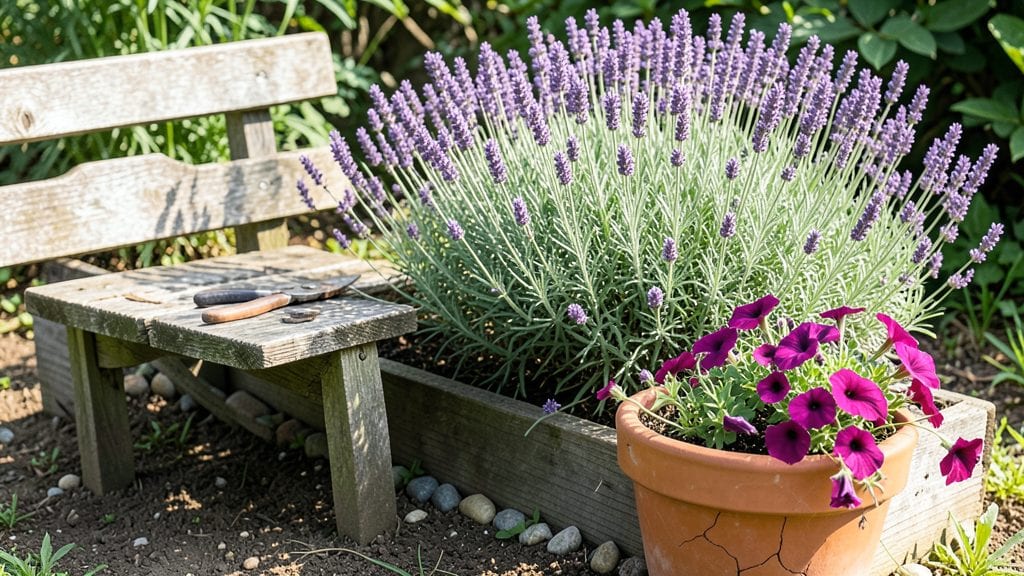
For backyard garden lovers, strategic plant pairings like basil with tomatoes or marigolds with peppers create a thriving ecosystem that saves space, repels pests, and enhances harvest quality through natural nutrient sharing and pollinator support.
Smart plant combinations work like a natural support system in your garden. 🌱 Basil doesn't just complement tomatoes—it actively deters pests like whiteflies while improving their flavor, while marigolds act as a living pest barrier for peppers.
This isn't just about aesthetics; it's about creating a self-sustaining environment where plants support each other's growth through shared resources and defensive mechanisms.
What makes this especially valuable for home gardeners is how these pairings address common challenges like limited space and pest pressure. For example, the classic "Three Sisters" combination of corn, beans, and squash demonstrates how different plants can work together to maximize vertical space while improving soil fertility.
The beans fix nitrogen, the corn provides structure, and the squash shades the soil—creating a perfect microclimate for all three.
💡 In This Article
- Science Behind Companion Planting Success
- Top 10 High-Yield Plant Pairings for Small Spaces
Science behind companion planting success
Companion planting works because certain plants release chemicals that repel pests, attract beneficial insects, or even improve soil quality for their neighbors. Take marigolds, for instance—they emit a compound called alpha-terthienyl that disrupts the feeding patterns of nematodes, which are microscopic worms that damage plant roots.
This alone can reduce nematode populations by up to 90% in just 4-6 weeks, creating a healthier root zone for nearby vegetables like tomatoes or peppers. 🔥
The classic "Three Sisters" combination—corn, beans, and squash—demonstrates how plants can physically and chemically support each other. Corn provides a natural trellis for beans to climb, while the beans fix atmospheric nitrogen into the soil, making it more fertile.
Studies show that beans can add 60-120 pounds of nitrogen per acre to the soil over a growing season, which corn and squash then utilize for their own growth. Meanwhile, the squash's broad leaves shade the soil, reducing moisture loss and suppressing weeds.
Pollinator attraction is another key factor. Plants like borage and dill produce small, nectar-rich flowers that attract bees and hoverflies, which are essential for pollinating crops like cucumbers and tomatoes.
Research from the University of California found that gardens with diverse flowering plants saw 20-30% higher pollination rates compared to monoculture plots. The scent and color of these flowers act like a beacon, drawing pollinators away from pest-prone areas and directly to your food crops. 💫
Growth habit synergy plays a role too. For example, onions and carrots grow well together because their different root structures don't compete for nutrients. Carrots grow deep, while onions stay shallow, creating a balanced use of soil resources.
This vertical partitioning allows both plants to thrive in the same space without stunting each other's growth. The same principle applies to lettuce and radishes, where the quick-growing radishes mature before the slower lettuce, preventing overcrowding.
Even flavor enhancement comes down to science. Basil emits a compound called eugenol, which not only repels pests but also enhances the sweetness of nearby tomatoes by up to 25%.
This happens because the basil's aroma stimulates the tomato plant's natural defense mechanisms, which coincidentally boost sugar production in the fruit. The result? Tomatoes that taste more vibrant and flavorful without any additional effort from the gardener. ✨
What most backyard garden lovers don't realize is that these relationships are often species-specific. For example, while marigolds benefit tomatoes, they can actually inhibit the growth of potatoes due to allelopathic chemicals released by both plants.
Understanding these nuances is key to creating a harmonious garden ecosystem that maximizes yields while minimizing maintenance. 🌱