
Tools
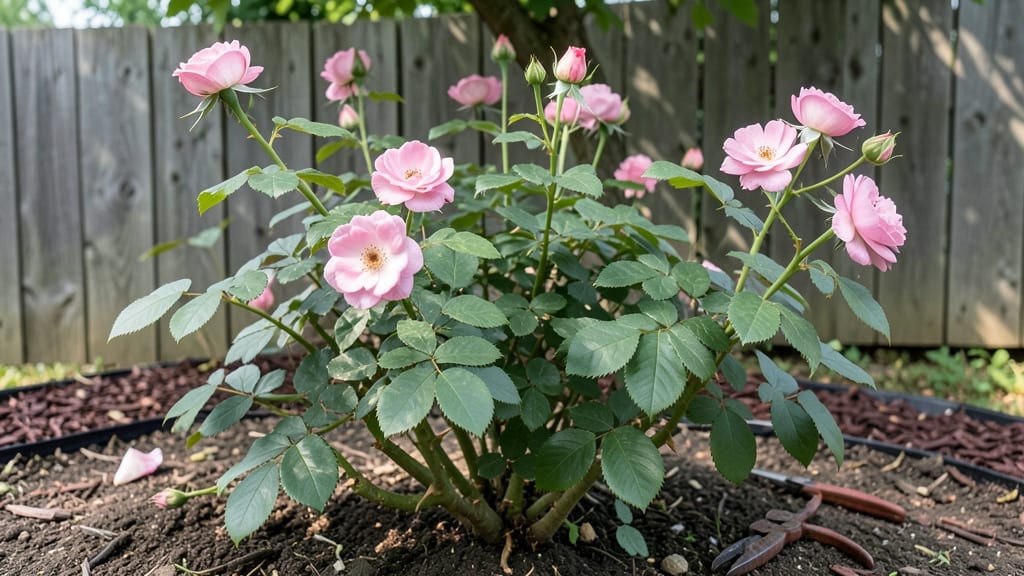
A rose garden circle transforms any backyard into a fragrant, low-maintenance showstopper—where every stroll feels like walking through a secret garden. ✨ I designed mine after realizing traditional rose beds required too much pruning, and now it thrives with just seasonal trims.
The circular shape creates a natural focal point, drawing the eye while keeping upkeep simple.
The key is balancing rose varieties with complementary plants like lavender or ornamental grasses. Start with a 6-foot diameter circle for small spaces, or expand to 10 feet for grander displays. Use 3-4 rose bushes spaced evenly around the edges, mixed with drought-tolerant perennials in the center to reduce watering.
Soil prep matters most—amend with compost and a slow-release fertilizer to ensure roots stay healthy year-round.
By summer, you’ll have a lush, fragrant ring of blooms that stays vibrant with minimal effort. The circular design softens harsh lines, while layered textures create depth—think velvety rose petals against spiky grasses. Even in winter, the structure remains elegant, with bare branches offering a skeletal beauty that’s oddly peaceful.
Works for formal gardens, cottage charm, or modern minimalism—just adjust plant choices to match your style. The real magic? This layout lets you enjoy roses without the constant pruning battle. Ready to create your own fragrant haven?
📚 In This Guide
- What you need
- Instructions
- Tips and common mistakes
- Wrapping up and next steps
What you need
- ● Rose bushes: 5–15 healthy, disease-resistant roses (e.g., Knock Out®, David Austin English roses) – choose varieties based on your climate zone.
- ● Soil: 2–3 cubic yards of high-quality, well-draining garden soil (amend with compost for nutrient-rich beds).
- ● Mulch: 1–2 bags of organic mulch (e.g., pine bark or shredded leaves) to retain moisture and suppress weeds.
- ● Fertilizer: Slow-release rose fertilizer (e.g., Miracle-Gro or Espoma) or organic options like fish emulsion.
- ● Pruning tools: 1 pair of bypass pruners (sharp, stainless steel).
- ● 1 pair of loppers (for thicker stems).
- ● 1 pruning saw (for stubborn branches).
- ● Stakes & ties: 5–15 wooden or metal stakes (4–6 ft tall) + soft plant ties.
- ● Watering system: Drip irrigation kit or a soaker hose (10–20 ft length).
- ● Gloves & knee pads: Heavy-duty gardening gloves + knee pads for comfort.
- ● Decorative elements: Gravel, stepping stones, or a circular border (e.g., bricks or metal edging).
- ● Pest control: Neem oil, insecticidal soap, or rose-specific sprays.
- ● Shade cloth: Lightweight fabric (30–50% shade) for hot climates.
- ● Trellis or arbor: For climbing roses (e.g., Blaze or New Dawn).
- ● Soil tester kit: To check pH (ideal range: 6.0–6.5 for roses).
How to design a low-maintenance rose garden circle
Here's my approach to creating a fragrant, year-round rose display that thrives with minimal pruning.
🌱 Step 1: Select and Prepare the Garden Circle Location
Choose a sunny spot receiving at least 6 hours of direct sunlight daily—roses demand full sun for optimal blooming and fragrance. I mark the circle's diameter with 6-foot radius stakes (for a 12-foot diameter circle) and use a garden hose to outline the perimeter, ensuring the space accommodates mature plant spread.
Dig out the center 12 inches deep and 6 inches wide to create a soil well for improved drainage. Mix the excavated soil with 2 parts native soil, 1 part compost, and 1 part coarse sand to lighten the texture. This ensures roots won’t suffocate in heavy clay or waterlogged conditions.
🪴 Step 2: Plant Roses in a Strategic Circle Pattern
Arrange four rose bushes at the cardinal points (north, south, east, and west) of the circle, spacing them 4 feet apart to allow airflow and future growth. Dig holes twice as wide as the root ball and deep enough so the graft union sits 2-3 inches above soil level—this prevents root rot while protecting the plant’s hardiness.
Place each bush in its hole, backfill with the amended soil, and water deeply to eliminate air pockets. I always add a slow-release rose fertilizer (as per package instructions) to the base before covering—this kickstarts strong root development without burning tender new growth.
☀️ Step 3: Layer Mulch and Ground Cover for Year-Round Interest
Spread 3 inches of organic mulch (like shredded bark or pine straw) over the entire circle, keeping it 6 inches away from stems to prevent rot. This retains moisture, suppresses weeds, and regulates soil temperature. I top-dress with 1 inch of coarse sand in the center to improve drainage for any occasional rainwater pooling.
Add two climbing roses to the circle’s perimeter, training them on trellises or arches to create vertical fragrance layers. Plant them 1 foot from the trellis so roots establish before vines reach upward. Water immediately after planting to help soil settle around roots.
✂️ Step 4: Implement Minimal Pruning for Continuous Blooms
Prune once in late winter (before buds swell) to remove dead, crossing, or weak branches, cutting just above an outward-facing bud. Shape the circle so all branches grow outward, creating an open, airy structure. Avoid heavy pruning—roses bloom on both old and new wood, so aggressive cuts reduce fragrance.
Deadhead spent blooms weekly by snipping stems just above a five-leaflet leaf (not a bud). This redirects energy to new growth rather than seed production. I also remove any suckers (shoots below the graft union) immediately—they drain the plant’s resources and weaken fragrance.
💧 Step 5: Water and Feed for Fragrance and Longevity
Water deeply twice weekly during dry spells, aiming for 1-1.5 gallons per bush—this encourages deep root growth. Always water at the base, not overhead, to prevent fungal diseases like black spot. I use a soaker hose to deliver moisture slowly and evenly across the circle.
Fertilize monthly from spring to fall with a balanced rose-specific formula (10-10-10 or similar). Avoid high-nitrogen feeds—they produce lush foliage at the expense of fragrant blooms. In early spring, add 1 cup of Epsom salt per bush to boost magnesium, which enhances flower scent.
Tips & tricks for perfect rose garden circle design
Between us, these small details make the difference between a garden circle that looks charming and one that thrives with minimal effort.
The Sunlight Factor: That 6 hours of direct sunlight is non-negotiable for fragrant roses. If your location gets less, consider adding a sun-loving companion plant like lavender at the circle's edge—it tolerates partial shade better while still complementing the roses. I've seen gardeners extend sunlight exposure by trimming nearby trees or removing overhanging branches during late winter pruning.
Soil Preparation Secret: When mixing your 2 parts native soil, 1 part compost, and 1 part coarse sand, don't skip the sand if you have heavy clay. I've seen roses in unamended clay soil struggle with root rot despite perfect sunlight. For an extra boost, work in 1/2 cup of bone meal (optional) when planting—it adds phosphorus for stronger roots without the nitrogen overload that weakens fragrance.
Pruning Precision: In Step 4, when you're pruning in late winter, look for buds that face outward—these will create the open, airy structure you want. I always make my cuts at a 45-degree angle just above the bud to prevent water from pooling on the cut. For the weekly deadheading, use clean, sharp pruners to avoid crushing stems, which can invite disease.
Watering Wisdom: Those 1-1.5 gallons per bush twice weekly should be delivered slowly to prevent runoff. I've found that watering in the early morning (before 9am) gives foliage time to dry before evening humidity sets in, reducing black spot risk. For the climbing roses, aim water at the base rather than spraying the vines to keep leaves dry.
Pro Tips for Rose Garden Circle
- Between us, these small details make the difference between a garden circle that looks charming and one that thrives with minimal effort.
- The Sunlight Factor: That 6 hours of direct sunlight is non-negotiable for fragrant roses.
- Soil Preparation Secret: When mixing your 2 parts native soil, 1 part compost, and 1 part coarse sand, don't skip the sand if you have heavy clay.
Frequently asked questions
Got questions about creating and maintaining your Rose Garden Circle? You’re not alone! Here are answers to the most common ones to help you get started with confidence.
What’s the best time of year to plant a Rose Garden Circle?
The ideal time to plant is early spring (after the last frost) or fall (6-8 weeks before the first frost). This gives roots time to establish before extreme temperatures. For container-grown roses, you can plant year-round in mild climates, but avoid winter or peak summer heat.
How often do I need to prune my roses in this setup?
One of the perks of a Rose Garden Circle is minimal pruning! Focus on light shaping in late winter/early spring (remove dead wood and crossing branches) and a quick tidy-up after blooming. Avoid heavy pruning—this design thrives on natural growth. Just trim back by 1/3 if needed!
Do I need a special irrigation system for this garden layout?
A Rose Garden Circle benefits from consistent moisture, but you don’t need anything fancy. A drip irrigation system or soaker hose works best to keep roots hydrated without wetting foliage (which can cause disease). Water early morning for optimal absorption, and mulch to retain moisture.
Can I mix other plants with roses in this circle?
Pair roses with companion plants like lavender (repels pests), catmint (drought-tolerant), or ornamental grasses for texture. Just avoid overly competitive plants like mint or bamboo. Stick to low-maintenance, fragrant, or pollinator-friendly options to keep the circle’s charm intact.
How do I protect my Rose Garden Circle in winter?
Mulch heavily (3-4 inches) with straw or shredded leaves to insulate roots. For container roses, wrap pots in burlap and move them to a sheltered spot. Prune lightly in late winter, and avoid fertilizing until spring. Most roses in this design are hardy, but a light frost cloth can help young plants.
Wrapping up and next steps
Creating a Rose Garden Circle is a rewarding way to enjoy year-round fragrance with minimal upkeep—perfect for both beginners and seasoned gardeners! 🌹 With the right tools, low-maintenance varieties, and a few smart strategies, you can craft a stunning, aromatic oasis that thrives with ease.
Whether you’re drawn to climbers, shrubs, or hybrid teas, the key is choosing roses that suit your climate and lifestyle.
Now that you’re armed with knowledge, take the first step—sketch your design, gather your supplies, and start planting! Even small changes, like adding mulch or a drip irrigation system, can make a big difference. Your fragrant sanctuary is just a circle away! 🌿