
Tools
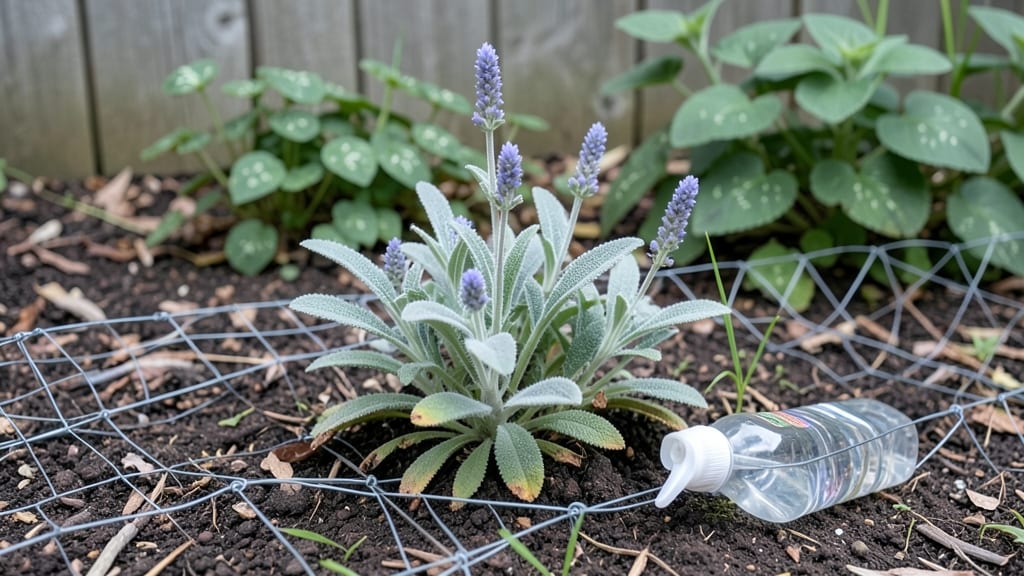
To prevent cat garden destruction, I transformed my yard with clever, humane barriers that finally stopped the digging—and the litter box disasters. 🌱 I tried everything from commercial sprays to ultrasonic devices, but nothing matched the simple, natural solutions I found.
Physical barriers like chicken wire or mulch create instant boundaries without harming curious kitties. Sprinkle coffee grounds or citrus peels near problem spots—cats hate the smell, and your garden gets a nutrient boost. Even planting lavender or rue acts as a living deterrent while adding beauty to your space.
You’ll see results within 24-48 hours—less digging, no more "gifts," and a garden that stays intact. The best part? These methods keep your yard safe for pets and plants, without toxic chemicals. No more losing sleep over midnight gardening sabotage.
Works for any yard size, from small containers to full plots. Here’s exactly how to set it up without turning your garden into a cat-free zone—just a smarter one.
Root Causes Of Cat Intrusions
Cats are curious, agile, and relentless climbers—making your garden a tempting playground. But why do they keep invading your outdoor space? Understanding the core motivations behind their behavior is the first step to creating effective, humane barriers.
Here’s a breakdown of the key reasons cats target gardens and how their instincts drive them to explore (or destroy) your plants.
Cats are obligate carnivores with a deep-seated drive to hunt. Even well-fed domestic cats retain this instinct, which makes gardens—filled with insects, small animals, and even birds—a prime hunting ground.
Studies show that cats spend up to 30-50% of their waking hours hunting or stalking prey, regardless of whether they’re indoor or outdoor cats.
- Why it matters: If your garden attracts rodents, birds, or insects, your cat will see it as a hunting opportunity, not just a place to scratch.
- Actionable insight: Reduce prey availability by using humane traps for rodents or deterring birds with reflective tape. A cat-proof barrier (like cat-proof fencing) can also block their access to hunting zones.
Cats have scent glands in their cheeks, paws, and tails, and they use these to mark territory. If your garden has plants they’ve previously scratched, rubbed against, or even just walked through, they’ll return to reinforce their claim. The stronger the scent, the more persistent their visits.
- Why it matters: Once a cat marks a spot—whether it’s a fence post, a bush, or a garden bed—they’ll keep coming back to "remind" other cats (and you) that it’s their space.
- Actionable insight:
- Wash marked areas with vinegar or citrus solutions (cats dislike these scents).
- Apply commercial cat repellents (like those with citronella or lavender) to high-traffic spots.
- Use scent barriers like cat-safe sprays to disrupt their marking rituals.
Cats are exceptional climbers and jumpers, capable of scaling fences, digging under barriers, or squeezing through gaps as small as 6 inches. If your garden’s defenses have flaws, your cat will exploit them. Common structural vulnerabilities include:
| Weakness | Why Cats Exploit It | Solution |
|---|---|---|
| Low or flimsy fences | Cats can easily jump over or knock down weak barriers. | Install 8+ foot tall fences with an outward-facing overhang (cats can’t get purchase to climb). |
| Gaps under gates or doors | Cats dig or squeeze through small openings. | Add dig-proof barriers (like buried hardware cloth) and secure gates with latches cats can’t reach. |
| Lattice or trellises | Cats use these as climbing aids to reach plants. | Cover trellises with fine mesh or remove them from cat-accessible areas. |
Pro tip: 🌡️ Test your barriers by watching how your cat interacts with them. If they’re still getting in, adjust the height, material, or reinforcement.
Some plants are more tempting to cats than others—not just because of their scent, but because of their texture. Cats love to:
- Chewing on soft, leafy plants (like catnip or mint).
- Scratching against rough bark or stems (e.g., willow or bamboo).
- Knocking over delicate plants (like herbs or flowers) for fun.
Additionally, catnip and valerian are like cat crack—once they sniff or taste them, they’ll return compulsively. Even non-toxic plants can become a playground for a bored indoor cat.
- Actionable insight:
- Replace cat-attracting plants with cat-safe alternatives (e.g., coleus, lemongrass, or marigolds).
- If you grow catnip, contain it in a pot or place it where your cat can’t access it.
- Provide scratching alternatives (like sisal posts) inside to redirect their energy.
By addressing these core causes—hunting instincts, scent marking, structural flaws, and plant appeal—you can design a garden that’s unappealing to cats without harming them. The key is combining physical barriers with behavioral deterrents to make your outdoor space off-limits in the most humane way possible.
Humane Barriers That Actually Work
Now that you understand why cats keep invading your garden, it’s time to turn the tables with effective, cruelty-free solutions. The key is combining deterrence, exclusion, and natural repellents—without harming your feline visitors.
Below, we break down practical fixes tailored to the most common causes, so you can reclaim your outdoor space without guilt.
If cats are slipping in through gaps, seal them smartly with humane designs.
🔧 For Fences & Gates
- Add a 3–4 foot extension (cats can’t jump this high). Use angled metal spikes (like "cat spikes" or "cat claws") at the top—these deter climbing without hurting.
- Install a mesh overlay (1/2" hardware cloth) on low fences or garden beds.
Cats can’t dig through it, and it’s nearly invisible. - Use a retractable pet gate with a cat-proof latch if they’re sneaking under doors.
🌱 For Garden Beds & Soil
- Lay down landscaping fabric before planting, then cover with gravel or mulch.
Cats dislike the texture and can’t dig through it. - Plant thorny or prickly ground covers like rosemary, lavender, or barberry bushes—cats avoid these naturally. - Create a shallow trench (6–8 inches deep) around garden edges and fill it with rocks or broken pottery. This stops digging attempts.
💡 Pro Tip: If cats are digging near specific plants, scatter citrus peels or coffee grounds—the smells repel them without chemicals.
Cats rely on sight, smell, and sound—use this to your advantage.
👃 Smell-Based Repellents
- Spray water + citrus/vinegar mix (1:1 ratio) on fences, garden edges, or problem spots. Reapply after rain.
- Place predator urine markers (coyote or fox urine, available at pet stores) near entry points.
Cats avoid areas that smell like natural threats. - Use commercial cat repellents (like Sentry Stop That! or Nature’s Miracle)—opt for spray-on formulas rather than collars.
🔊 Sound & Motion Deterrents
- Install solar-powered motion-activated sprinklers (like ScareCrow)—they spray water when cats approach (harmless but startling).
- Hang wind chimes or aluminum pie pans near entry points.
The noise disrupts their stealthy approach. - Use a radio or white noise machine on a low frequency near garden edges—cats dislike unpredictable sounds.
✨ Bonus: Ultrasonic repellents (like PetSafe Sound Scare) emit high-frequency noises cats can’t hear but find annoying. Place them near problem areas.
Sometimes, making your garden less appealing is the easiest fix.
🌿 Remove Attractions
- Pick up fallen fruit, pet food, or birdseed—these lure cats in.
- Avoid planting cat-friendly herbs (catnip, valerian, or wheatgrass) near garden edges.
- Keep compost bins sealed—cats dig in them for food scraps.
🐾 Provide Alternatives
- Set up a cat-friendly digging box (fill a shallow tray with sand or cat litter) near the garden’s edge.
Place it where they’re digging. - Install a catio (cat patio)—a screened-in outdoor enclosure where they can enjoy fresh air without accessing your plants. - Leave a catnip patch in a corner of your yard—it may redirect their attention away from your garden.
🎯 Prevention Tip: If cats are drawn to birds or insects, use bird feeders with built-in baffles or bug-repelling plants (like marigolds or basil) to reduce their interest.
For permanent solutions, invest in durable, low-maintenance barriers.
| Problem | Solution | Effort Level | Cost |
|---|---|---|---|
| Digging near plants | Hardware cloth trench + rocks | Medium | $20–$50 |
| Climbing fences | 3–4 ft fence extension + spikes | High | $50–$150 |
| Sneaking under gates | Retractable pet gate with latch | Low | $30–$80 |
| Persistent digging | Commercial repellent spray | Low | $10–$25 |
| Nighttime raids | Motion-activated sprinkler | Medium | $40–$100 |
💡 Pro Tip: Combine methods for best results. For example:
- Fence + spikes + citrus spray = 90% effective against climbers.
- Trench + repellent + catnip distraction = stops digging in weeks.
- Avoid poison or traps—these are cruel and illegal in many areas.
- Don’t rely solely on prickly mats—cats may still find a way in.
- Skip harsh chemicals—they can harm plants, pets, and the environment.
By blocking entry points, using sensory deterrents, and modifying their environment, you can keep cats out without causing harm. Start with one or two methods, monitor their effectiveness, and adjust as needed. Your garden—and your feline neighbors—will thank you! 🌱🐱🚫
Frequently asked questions
What are the most effective natural repellents to keep cats away from my garden?
Try coffee grounds, citrus peels, or vinegar sprays—cats dislike these scents. Sprinkle used coffee grounds around plant beds or place citrus peels near entry points. For a stronger effect, combine with lavender or rue plants, which naturally repel felines while adding beauty to your yard.
Will a simple fence keep cats out of my garden?
Not always—cats can jump 6+ feet or squeeze through small gaps. For better results, add a 3-4 foot extension to your fence or install angled metal spikes (cat deterrent spikes) at the top. Combine this with hardware cloth trenches around garden beds to block digging attempts.
Are there humane ways to stop cats from using my garden as a litter box?
Start by removing all soil-based digging spots and replacing them with gravel or mulch. Add catnip or sand boxes elsewhere in your yard to redirect their instincts. For marked areas, clean with enzymatic cleaners or a vinegar-water mix to eliminate scent markers.
How long does it take for cat deterrents to work?
Most methods show results within 24-48 hours, but consistency is key. Physical barriers like fences or trenches work immediately, while scent-based repellents may take 3-5 days for cats to associate with discomfort. Reapply natural deterrents after rain and monitor their behavior to adjust your approach.
Can I use ultrasonic repellents safely around plants and pets?
Yes, but with caution. Ultrasonic devices emit high-frequency sounds cats dislike but are inaudible to humans. Place them near problem areas, but avoid pointing them directly at pet houses or bird feeders. Always opt for pet-safe models and monitor your garden for any unintended effects on other wildlife.