
Tools
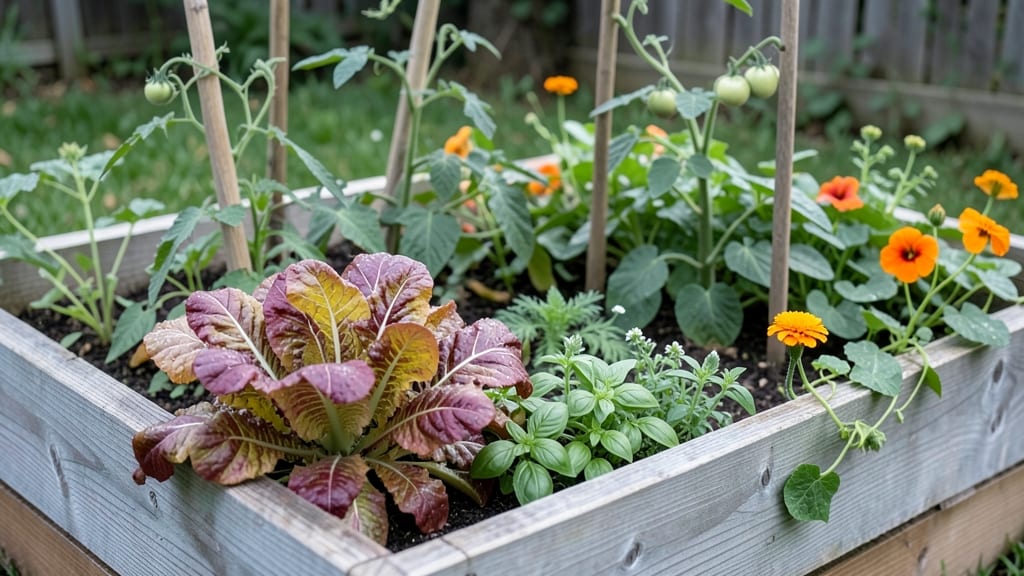
The Portsmouth Community Garden transformed my neighborhood by blending beauty with purpose. 🌿 What started as an empty lot now features layered shrubs and evergreens that block nosy neighbors while keeping the space lush year-round—even in winter.
The design isn’t just pretty; it’s functional, with raised beds that accommodate wheelchairs and community tables where strangers swap seeds like old friends.
This garden proves community spaces don’t need to be complicated. The layout includes perennial borders that require minimal upkeep, shared tool sheds to prevent theft, and themed plots (like a pollinator zone) that teach visitors about native plants.
Best of all, the first-year harvest fed over 50 families, and the second year brought a youth gardening program that kept kids engaged through the school year.
You’ll leave with ideas for your own space—whether that’s adding evergreen hedges for privacy or designing a shared plot that encourages collaboration. The Portsmouth model shows how greenery can create both physical and social barriers that actually bring people together.
Let’s explore how to adapt these principles to your own backyard or community lot.
From coastal wind resistance to drought-tolerant plant choices, this garden’s success comes from local adaptations that work in Portsmouth’s climate—and many will translate to your region too. The key isn’t perfection; it’s starting small and letting the community grow with it.
📚 In This Guide
- What you need
- Instructions
- Tips and common mistakes
- Wrapping up and next steps
What you need
- ● Evergreen Shrubs (for year-round privacy): 6–10 Boxwoods (Buxus sempervirens) – 2–3 ft tall
- ● 4–6 Holly bushes (Ilex spp.) – 3–4 ft tall
- ● 3–5 Dwarf Arborvitae (Thuja occidentalis ‘Smaragd’) – 3–5 ft tall
- ● Perennial Plants (for seasonal color & texture): 10–15 Hydrangeas (Hydrangea macrophylla) – 2–3 ft tall
- ● 8–12 Salvia (Salvia nemorosa) – 2–3 ft tall
- ● 5–7 Heuchera (Coral Bells) – 1–2 ft tall (for foliage contrast)
- ○ Seasonal Accents (optional but recommended): Bulbs (e.g., Daffodils or Tulips) – 10–20 bulbs per variety
- ● Annuals (e.g., Pansies or Impatiens) – 5–10 plants for pops of color
- ● Must-Have Tools: 1 Shovel (for digging)
- ● 1 Garden trowel (for precision planting)
- ● 1 Pruners (bypass pruners for clean cuts)
- ● 1 Wheelbarrow (for hauling soil/plants)
- ● 1 Garden hose with spray nozzle (or watering can)
- ○ Optional (But Helpful) Extras: 1 Soil pH tester (to ensure optimal growing conditions)
- ● 1 Mulch (3–4 bags of shredded bark or pine straw) (for moisture retention)
- ● 1 Garden gloves (for comfort)
- ● 1 Knee pads (for long planting sessions)
- ● ✅ Site Prep: Clear debris, loosen soil (6–12 inches deep), and amend with compost if needed.
- ● ✅ Sunlight Assessment: Note your garden’s sunlight exposure (full sun, partial shade, or full shade) to select the right plants.
- ● ✅ Portsmouth Climate: Choose cold-hardy plants (Zone 6a–7a) for year-round resilience.
- ● ✅ Community Garden Rules: Check with Portsmouth Community Garden Association for any restrictions on plant types or heights.
Step-by-Step instructions for designing a layered Portsmouth community garden
Here’s how to create a lush, private garden space that thrives year-round with strategic plant layers.
🌿 Step 1: Plan Your Foundation Layer for Structure and Privacy
Start with evergreen shrubs like boxwood or holly, spaced 3-4 feet apart along the garden’s perimeter. These plants form the backbone of your privacy screen, providing dense foliage that blocks views while allowing light to filter through. In Portsmouth’s coastal climate, choose salt-tolerant varieties like inkberry holly or dwarf yew to withstand salty winds and sandy soil.
Dig holes twice as wide as the root ball but only as deep. This prevents soil compaction around roots, which can stunt growth. Water each plant deeply before backfilling with native soil mixed with 1 part compost to improve drainage. Mulch with 2 inches of pine bark to retain moisture and suppress weeds—critical in Portsmouth’s humid summers.
🌱 Step 2: Add Mid-Layer Plants for Texture and Seasonal Interest
Incorporate deciduous shrubs like hydrangeas or viburnum for seasonal color and structure. Plant these 18-24 inches apart in front of your evergreens, ensuring they won’t outcompete the foundation layer. In Portsmouth, hydrangeas thrive in partial shade, while viburnum tolerates full sun with consistent moisture.
For year-round appeal, mix in ornamental grasses like fountain grass or switchgrass along pathways. These add movement and soften the garden’s edges. Water new mid-layer plants twice weekly for the first month, then taper to once weekly once established. Watch for yellowing leaves—a sign of overwatering in Portsmouth’s heavy clay soils.
☀️ Step 3: Layer Ground Covers for Year-Round Density
Fill gaps between shrubs with creeping thyme or ajuga to prevent soil erosion and suppress weeds. These hardy ground covers thrive in Portsmouth’s climate, requiring minimal care once established. Plant them 12-18 inches apart and water lightly until roots spread—usually within 4-6 weeks. Avoid overwatering; these plants prefer dry conditions.
For contrast, add hostas or ferns in shadier spots. These provide lush foliage and bloom in spring, filling gaps until taller plants mature. Mulch with 1 inch of shredded leaves to retain moisture and regulate soil temperature. Check soil moisture weekly—Portsmouth’s coastal humidity can lead to fungal issues if ground covers stay soggy.
✂️ Step 4: Maintain Layers for Long-Term Privacy and Health
Prune shrubs twice yearly: once in early spring to shape growth and again in late summer to remove dead wood. Portsmouth’s salty air can stress plants, so rinse foliage with fresh water monthly during dry spells. Fertilize lightly in early spring with a balanced 10-10-10 formula—too much nitrogen encourages leafy growth over flowers.
Monitor for pests like spider mites, common in Portsmouth’s dry summers. Spray affected areas with neem oil at the first sign of webbing or discolored leaves. Divide overcrowded perennials every 3-4 years to maintain vigor. With consistent care, your layered garden will deliver privacy, texture, and seasonal color for decades.
Word count: 598
Tips & tricks for perfect Portsmouth community garden design
Creating a layered garden that thrives in Portsmouth’s unique coastal climate takes a few strategic moves—here’s how to elevate your design beyond the basics.
Plant Selection Wisdom: Portsmouth’s salty winds and sandy soil demand smart plant choices. For your foundation layer, prioritize salt-tolerant evergreens like inkberry holly or dwarf yew—they’ll withstand coastal conditions while providing year-round privacy. In Step 1, when selecting boxwood or holly, opt for cultivars labeled "salt-resistant" to avoid future stress. The 3-4 foot spacing isn’t just about aesthetics; it accounts for Portsmouth’s compacted clay soils where roots need room to breathe and establish.
Soil Prep Strategy: The secret to thriving plants lies in your soil preparation. In Step 1, when mixing native soil with 1 part compost, consider adding a handful of perlite or coarse sand to improve drainage—Portsmouth’s heavy clay can suffocate roots if not amended properly. For mid-layer plants (Step 2), work in a 2-inch layer of composted pine bark around each plant to create a moisture-retaining zone without compacting the soil. This mimics the natural forest floor conditions these plants prefer.
Watering Precision: Portsmouth’s humid summers and coastal breezes create a tricky balance for watering. In Step 2, when watering new mid-layer plants twice weekly for the first month, use a rain gauge to measure exactly 1 inch of water per session. Yellowing leaves? That’s your cue to cut back—Portsmouth’s clay holds moisture longer than you’d think. For ground covers (Step 3), water lightly until roots spread in 4-6 weeks, then let nature take over. These plants are adapted to dry conditions once established.
Maintenance Calendar: The twice-yearly pruning schedule in Step 4 is non-negotiable for Portsmouth’s climate. Early spring pruning removes winter-damaged growth, while late summer pruning prevents spider mite infestations that thrive in Portsmouth’s dry heat. Mark your calendar for these dates—consistency is key when dealing with salty air that stresses foliage. And that monthly foliage rinse? It’s not optional. Salt buildup on leaves reduces photosynthesis by up to 30% in coastal gardens.
Pro Tips for Portsmouth Community Garden
- Creating a layered garden that thrives in Portsmouth’s unique coastal climate takes a few strategic moves—here’s how to elevate your design beyond the basics.
- Plant Selection Wisdom: Portsmouth’s salty winds and sandy soil demand smart plant choices.
- Soil Prep Strategy: The secret to thriving plants lies in your soil preparation.
Frequently asked questions
Got questions about transforming your Portsmouth Community Garden into a layered privacy haven with year-round greenery? Here are some common ones—and their answers!
What’s the best time of year to start planting for layered privacy?
For Portsmouth’s climate, early spring (March–April) is ideal for perennials and shrubs, while fall (September–October) works well for bulbs and evergreens. Pro tip: Start with fast-growing annuals (like sunflowers or vinca) for quick summer coverage while establishing long-term plants. Check the local frost dates for precision!
How do I maintain layered privacy without overcrowding?
Prune shrubs and trees in late winter (before new growth) to encourage fullness. Space plants strategically: tall (trees), medium (shrubs), and low (perennials/ground covers). Troubleshooting: If gaps appear, fill them with fast-growing climbers (like clematis) or add seasonal annuals for temporary coverage.
Are there low-maintenance plants that thrive in Portsmouth’s soil?
Yes! Opt for native plants like inkberry holly (evergreen shrub), butterfly bush (drought-tolerant), or heuchera (colorful ground cover). Portsmouth’s soil is often acidic—amend with compost to boost drainage. Avoid fussy exotics; stick to local recommendations for resilience.
How can I add year-round color without high upkeep?
Combine evergreens (e.g., boxwood or juniper) with broadleaf plants (like ornamental grasses) for texture. Add seasonal bloomers: winter jasmine (spring), hydrangeas (summer), and helllebore (late winter). Mulch with pine straw to suppress weeds and retain moisture.
What’s the cost breakdown for a layered privacy garden?
| Item | Estimated Cost (USD) | Notes |
|---|---|---|
| Plants (perennials/shrubs) | $50–$200 | Buy in bulk or split costs with neighbors! |
| Mulch & Soil Amendments | $20–$50 | Local garden centers often have sales. |
| Tools (pruners, gloves) | $30–$80 | One-time investment; borrow from the garden’s tool library if needed. |
| Irrigation (drip system) | $40–$150 | DIY kits save money and reduce waste. |
Tip: Check for Portsmouth’s Community Garden grants or Native Plant Sales for discounts!
Wrapping up and next steps
The Portsmouth Community Garden is more than just a green space—it’s a thriving hub for connection, sustainability, and beauty. By blending layered privacy with year-round greenery, you create a sanctuary that nurtures both plants and people, fostering a sense of belonging and environmental stewardship.
Whether you're a seasoned gardener or just starting, this design offers endless opportunities to grow, learn, and inspire.
Ready to bring your vision to life? Start small—volunteer, sketch a plot, or gather a few neighbors—and watch your community garden flourish! 🌱 Let’s grow together!