
Landscaping
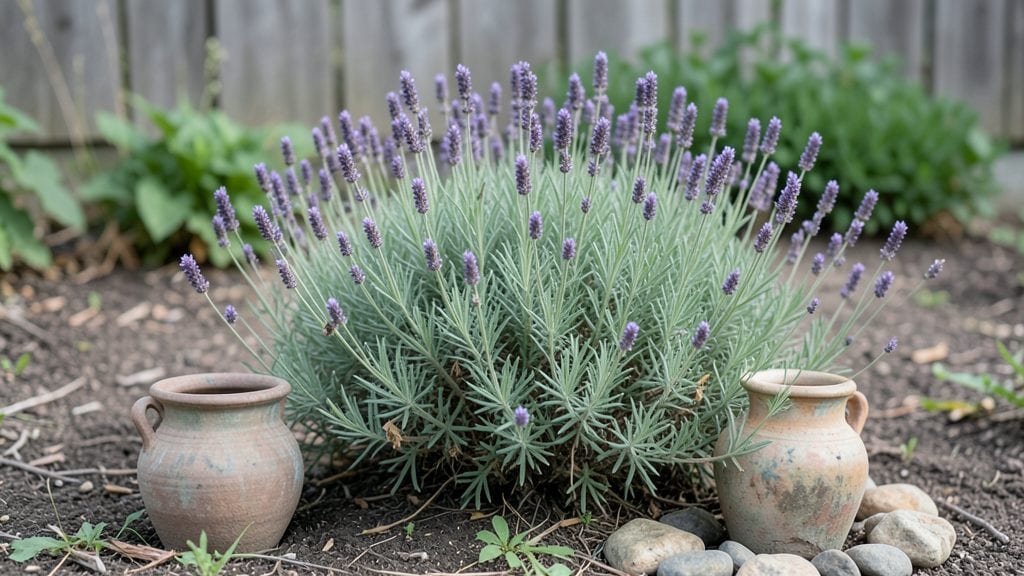
A cremation garden design transforms grief into growth, creating a living memorial that evolves with the seasons. 🌿 I’ve designed these spaces for families who want a place to reflect, remember, and find quiet comfort—where every bloom and rustling leaf carries meaning.
The key isn’t just planting; it’s curating a sanctuary that feels personal yet timeless, blending practicality with deep symbolism.
Start with a layout that honors your loved one’s spirit while fitting your space. A winding path of smooth river stones leads to a central urn area, surrounded by drought-tolerant perennials like lavender (for calm) and coneflowers (for resilience).
Add a small bench or solar-powered lantern for evening visits—simple touches that make the space feel alive, not just decorative. The soil should drain well but retain moisture, so amend native dirt with compost and perlite for a healthy foundation.
Year-round serenity comes from layering plants with different seasons of interest. Evergreen shrubs like boxwood provide structure in winter, while spring bulbs (daffodils, tulips) pop with color when memories feel heaviest. Summer brings in fragrant roses or hydrangeas, and fall offers fiery maple leaves or golden sedum.
The result? A garden that whispers comfort in every season, not just during visits. Maintenance stays light with mulch and native plants that thrive with minimal fuss.
Personalize further with a handwritten plaque, a small fountain’s gentle sound, or even a tree planted in their honor—its rings marking years of memories. The most meaningful designs aren’t about perfection; they’re about intention.
Whether you’re starting fresh or revamping an existing space, this approach turns a garden into a place of enduring peace. Let’s bring it to life together.
📚 In This Guide
- What you need
- Instructions
- Tips and common mistakes
- Wrapping up and next steps
What you need
- ● Soil & Mulch: Topsoil (2–4 cubic yards, depending on garden size)
- ● Organic mulch (3–5 bags, 2–3 cubic feet each)
- ● Plants & Greenery: Perennials (5–10 plants, drought-resistant varieties like lavender or sedum)
- ● Shrubs (2–4 small, slow-growing options like boxwood or juniper)
- ● Ornamental grasses (3–5 clumps for texture)
- ● Flowering plants (3–5, seasonal blooms like roses or peonies)
- ● Ground cover (e.g., creeping thyme or clover, 10–20 square feet)
- ● Memorial Elements: Urn or cremation vessel (1, weather-resistant material like ceramic or bronze)
- ● Memorial marker or plaque (1, engraved with names/dates)
- ● Gravel or sand (1–2 bags, for pathways or borders)
- ● Hardware & Tools: Shovel (1, sturdy for digging)
- ● Garden trowel (1, for precision planting)
- ● Wheelbarrow (1, for transporting materials)
- ● Pruners (1 pair, for trimming)
- ● Measuring tape (1, 25-foot)
- ● Garden gloves (1 pair, durable)
- ● Solar-powered garden lights (2–4, for evening ambiance)
- ● Wind chimes or a small fountain (1, for soothing sounds)
- ● Benches or seating (1–2, weather-resistant wood or metal)
- ● Custom stone or mosaic tiles (for personalized touches)
- ● Seasonal decorations (e.g., potted plants for winter, hanging baskets for summer)
- ● Check local regulations on cremation garden placement and memorial items.
- ○ Test soil pH (optional but helpful for plant health).
- ● Plan a layout sketch (including plant placement and pathways).
- ● Ensure proper drainage (especially in urn placement areas).
Step-by-step instructions for designing a cremation garden
Creating a peaceful memorial space starts with thoughtful planning—here's how to craft a garden that honors memories year-round.
🪴 Step 1: Choose a Quiet, Sunlit Location
Pick a spot with at least 6 hours of sunlight daily for easy plant maintenance and vibrant growth. I always avoid areas with strong winds or heavy foot traffic—this garden deserves quiet reflection. Measure the space carefully; a 6-foot by 6-foot area provides enough room for meaningful elements without feeling overwhelming.
Check the soil quality by digging a 6-inch deep hole. If the soil is hard or clay-heavy, amend it with 3 inches of compost to improve drainage and nutrient retention. This ensures plants thrive and require less care over time. Look for natural landmarks like trees or rocks that can anchor the space and create a sense of permanence.
🌱 Step 2: Select Meaningful Plants for Year-Round Interest
Incorporate plants with symbolic meanings, like lavender for remembrance, roses for love, or white lilies for purity. I recommend using a mix of evergreens (like boxwood or juniper) to provide structure and color in winter, paired with seasonal bloomers (such as peonies or coneflowers) for spring and summer interest.
Add a few perennial herbs like rosemary or thyme—they’re drought-tolerant, fragrant, and symbolize enduring memories. Plant them in clusters of 3-5 per variety for a full, natural look. Avoid annuals unless you’re prepared to replant yearly; their fleeting nature can feel disruptive in a memorial space.
☀️ Step 3: Create a Focal Point for Reflection
Designate a central feature like a small bench, stone marker, or urn display to serve as the garden’s heart. I like using a flat stone or engraved plaque> as a simple yet elegant focal point. Place it where it’s visible from the garden’s entrance but not so central that it blocks views of the surrounding plants.
Surround the focal point with low-growing ground covers like creeping thyme or moss> to soften the space and reduce maintenance. Add a small water feature, like a bubbling stone or shallow dish>, if you want to incorporate the soothing sound of water. Just keep it simple—this garden should feel serene, not cluttered.
✂️ Step 4: Add Pathways and Seating for Visits
Install a gravel or stepping-stone path> that winds through the garden, inviting visitors to explore. I prefer gravel because it’s low-maintenance and allows rainwater to drain easily. Space the stones or gravel about 12 inches apart> to create a natural, organic look while keeping the path walkable.
Include at least one seating area, like a small bench or pair of chairs>, positioned where visitors can sit comfortably and enjoy the space. Place it near the focal point but not directly in front of it—this encourages quiet contemplation rather than a formal gathering. Add a small table or side table> for holding mementos, candles, or seasonal decorations.
💧 Step 5: Plan for Low-Maintenance Upkeep
Group plants with similar water needs together to simplify care. I always designate one drip irrigation line or soaker hose> for the entire garden to ensure consistent moisture without overwatering. Set it on a timer to water early in the morning for 15-20 minutes, 2-3 times per week>, depending on your climate.
Mulch the entire garden with 2-3 inches of shredded bark or wood chips> to retain moisture, suppress weeds, and keep the soil cool. Refresh the mulch annually in early spring to maintain its effectiveness. This step saves time and ensures the garden stays lush with minimal effort—perfect for a space meant to be visited but not constantly tended.
Tips & tricks for perfect cremation garden design
Creating a meaningful memorial garden takes more than just planting flowers—here's how to elevate your design from simple to truly sacred.
Location Matters: The 6 hours of daily sunlight requirement isn't just about plant health—it's about creating a space that feels alive year-round. I've found that south-facing spots get the most consistent light, but watch for afternoon shade from nearby trees. If your yard has limited sun, consider container gardening with sun-loving plants like lavender or rosemary near windowsills or patios.
Plant Selection Wisdom: When choosing your 3-5 clusters of perennial herbs, think about fragrance as well as symbolism. Rosemary's piney scent can evoke memories of specific places or times, while thyme's earthy aroma creates a calming atmosphere. For the evergreens, boxwood grows slowly but maintains its shape beautifully, while juniper offers a more textured, natural look that blends seamlessly with the landscape.
Focal Point Placement: That flat stone or engraved plaque you're using as a focal point should be positioned where it's the first thing visitors notice when entering the garden. I like to create a visual triangle by placing it at the apex of an imaginary triangle formed by the garden's entrance and the seating area. This creates natural balance and guides visitors through the space.
Low-Maintenance Upkeep: The 15-20 minute watering schedule is perfect for most climates, but I've learned the hard way that timing matters more than duration. Watering in the early morning (before 8 AM) prevents evaporation and fungal growth, while also allowing the soil to absorb moisture before the heat of the day. Consider installing a simple rain gauge to monitor your local rainfall—you might find you can skip watering days after heavy rain.
Pro Tips for Cremation Garden Design
- Creating a meaningful memorial garden takes more than just planting flowers—here's how to elevate your design from simple to truly sacred.
- Location Matters: The 6 hours of daily sunlight requirement isn't just about plant health—it's about creating a space that feels alive year-round.
- Plant Selection Wisdom: When choosing your 3-5 clusters of perennial herbs, think about fragrance as well as symbolism.
Frequently asked questions
How long does it take to plan and plant a cremation garden?
A basic cremation garden can be ready in a few weeks if you’re using pre-planted shrubs or perennials. For a more customized design with hardscaping (like benches or pathways), allow 2–4 months to account for material sourcing, permits (if needed), and planting cycles. Start with a sketch and material list to streamline the process!
What’s the best time of year to plant a cremation garden?
For most climates, spring (March–May) or early fall (September–November) are ideal—soil is workable, and plants establish roots before extreme weather. If you’re in a warm climate, winter planting can also work. Pro tip: Check your local frost dates to avoid planting tender species too early!
Can I use urns or containers in a cremation garden?
Many people opt for biodegradable urns buried directly in the soil, or water-soluble urns that dissolve over time. For a more visible tribute, consider ceramic or metal urns placed among plants, near a bench, or integrated into a memorial feature like a stone planter or tree hollow. Just ensure materials are weather-resistant if exposed to the elements.
What if I want to add a memorial feature later?
Design with flexibility in mind! Leave space for future additions like engraved stones, wind chimes, or lanterns. Use perennials or slow-growing shrubs to avoid overcrowding, and include a small paved area or gravel path for easy access. A modular design (e.g., raised beds or container gardens) makes updates simpler too.
How do I keep the garden low-maintenance?
Choose drought-tolerant plants (like lavender, succulents, or ornamental grasses) and mulch heavily to reduce watering. Opt for native species—they thrive with minimal care. Add a drip irrigation system or soaker hose for efficiency, and consider ground covers (e.g., creeping thyme) to suppress weeds. A simple, curved pathway also cuts down on mowing!
Wrapping up and next steps
Designing a cremation garden is a deeply meaningful way to honor loved ones while creating a peaceful, everlasting space. Whether you choose native plants, memorial pathways, or serene water features, the key is blending personal sentiment with thoughtful landscaping.
Let this space reflect their story—your sanctuary of memories, growth, and quiet joy.
Ready to bring your vision to life? Start by sketching a rough layout, then reach out to a local landscaper or botanist for expert guidance. Every garden begins with a single seed—plant yours with love. 🌱✨