
Landscaping
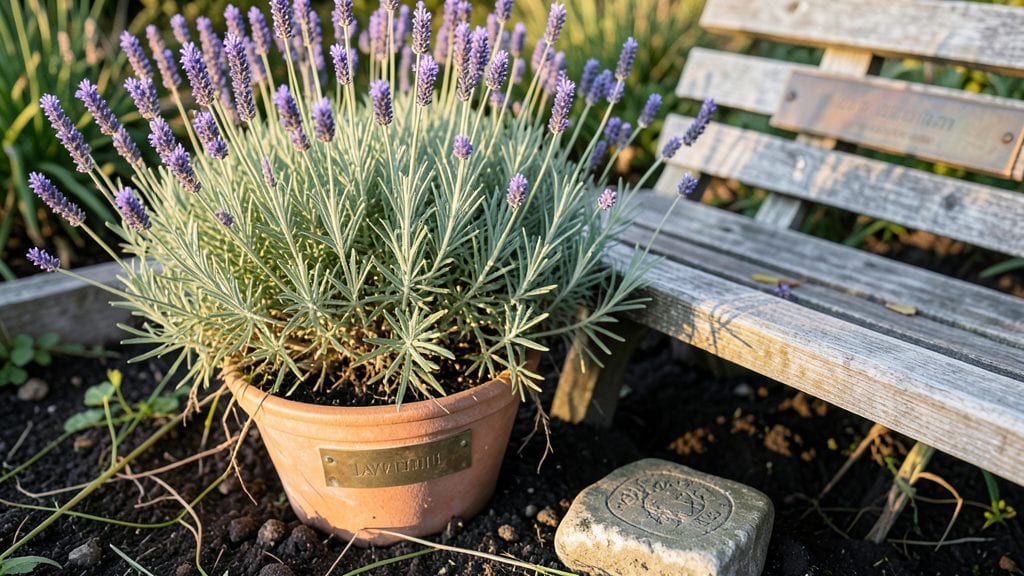
A memorial garden design becomes more than a space—it becomes a living tribute where every plant tells a story. 🌿 I’ve designed these gardens for families who want a place to remember, reflect, and grow something beautiful alongside their memories.
The right plant pairings can create a sanctuary that feels both personal and timeless, blending colors and textures that honor a life well-lived.
The key is balancing practicality with emotion. Evergreens like boxwood or arborvitae provide year-round structure, while perennials such as lavender or roses add seasonal color and fragrance. Low-maintenance options like ornamental grasses or drought-tolerant succulents keep upkeep simple, so the focus stays on the space’s meaning rather than its care.
Stone paths or wooden benches invite quiet moments, and engraved markers or custom plant labels make the garden uniquely yours.
Imagine a space where the scent of lavender drifts on summer evenings, where children can plant wildflowers their loved one adored, or where a small fountain offers the soothing sound of water.
These details transform a garden into a place of comfort, where every visit feels like a conversation with someone who’s no longer here. The best designs grow with time, adapting to seasons and memories just as naturally as the plants do.
Whether you’re working with a shady corner or a sunlit yard, the principles stay the same: choose plants that thrive in your climate, incorporate elements that reflect the person’s life, and design for both beauty and peace. Let’s bring that vision to life—one thoughtful choice at a time.
📚 In This Guide
- What you need
- Instructions
- Tips and common mistakes
- Wrapping up and next steps
What you need
- ● Plants: Choose a mix of perennials, shrubs, and flowers (e.g., lavender, roses, or native wildflowers). Aim for 5–10 mature plants (3–5 gallon pots) for a balanced look.
- ● Soil & Mulch: Topsoil: 1–2 cubic yards (depending on garden size).
- ● Organic mulch (cedar or pine): 2–3 bags (2–3 cubic feet each).
- ● Hardscaping: Gravel or pavers: 50–100 sq. ft. (for pathways or borders).
- ● Bench or seating: 1–2 units (wood or stone).
- ● Memorial Elements: Engraved stone or plaque: 1–2 pieces (customizable).
- ● Wind chimes or solar lights: 3–5 units (for ambiance).
- ● Basic Tools: Shovel, rake, pruners, and wheelbarrow.
- ● Measuring tape and string line.
- ○ Optional (for DIYers): Lawn edger, level, and post-hole digger.
- ● Hose with nozzle and watering can.
- ● Check local zoning laws and permit requirements for memorial gardens.
- ● Test your soil’s pH and amend as needed (e.g., lime for acidity, compost for nutrients).
- ● Plan for water access (hose or irrigation system) and sunlight exposure (6+ hours/day for most plants).
- ○ Optional: Consult a landscaper for complex designs or hardscaping.
Step-by-Step guide to designing a memorial garden
Here's how to create a peaceful sanctuary that honors loved ones through meaningful plant choices and intentional layout.
🌿 Step 1: Choose a Central Focal Point
Start by selecting a centerpiece that reflects the person's spirit. A simple stone bench invites quiet reflection, while a small tree or shrub adds lasting beauty. I often place a weather-resistant plaque here with their name and dates—it becomes the emotional anchor of the space. Position it where you'll naturally pause when entering the garden.
Consider the scale: a 6-foot-tall arbor creates a grand entrance, while a 12-inch-tall urn works for intimate spaces. The focal point should be visible from the garden entrance but not overwhelm the surrounding plants. Arrange a few low-growing perennials around it to frame the area naturally.
🪴 Step 2: Layer Plants for Depth and Seasonal Interest
Build your garden in three layers: tall plants at the back, mid-height in the middle, and ground covers up front. I like using evergreens like boxwood or yew for structure—they provide year-round greenery and privacy. Behind them, plant deciduous shrubs such as hydrangeas or lilacs for seasonal color and fragrance.
Add perennials like peonies or daylilies for bold blooms, and annuals like impatiens or petunias for quick color. Place fragrant plants like lavender or roses near seating areas so visitors can enjoy their scent while remembering. Space plants 18-36 inches apart depending on their mature size to allow for easy maintenance.
☀️ Step 3: Incorporate Meaningful Elements
Add personal touches that tell their story. A small fountain or wind chime creates soothing sounds, while a butterfly garden with milkweed and coneflowers invites life and movement. I often include a small vegetable patch if they enjoyed gardening—planting herbs or a few tomatoes becomes a living tribute. Even a simple bird feeder adds movement and joy.
Consider adding a pathway of stepping stones or gravel to guide visitors through the space. Place a few solar-powered garden lights along the path so the garden remains peaceful at dusk. These elements create a sense of journey and discovery, encouraging visitors to linger and reflect.
✂️ Step 4: Maintain a Low-Maintenance Design
Choose plants that thrive in your climate with minimal care. Native plants like black-eyed Susans or coneflowers require little water once established, while mulch helps retain moisture and suppress weeds. Group plants with similar water needs together to simplify irrigation. I recommend using 3-4 inches of mulch around the base of plants to protect roots and reduce maintenance.
Include a few hardy ground covers like creeping thyme or sedum to fill gaps and prevent weeds. These plants spread easily and require little attention. Place a small watering can or hose nearby for quick touch-ups, but design the garden so most plants thrive on natural rainfall. This ensures the garden remains beautiful with minimal effort over time.
💧 Step 5: Add Comfort and Reflection Spaces
Include seating areas where visitors can sit and remember. A simple wooden bench or Adirondack chairs work well, placed near fragrant plants or shaded by trees. Add a small table for tea or photos, and include a covered area like a pergola if your climate gets rainy or hot. These spaces encourage people to stay and connect with the garden.
Place a small wind chime or solar-powered music box near seating areas to add gentle soundscapes. Include a notebook and pen** in a waterproof holder for visitors to leave notes or memories. These thoughtful touches make the garden feel like a living tribute rather than just a decorative space.
Tips & tricks for perfect memorial garden design
Creating a meaningful memorial garden isn't just about planting—it's about crafting a space that feels deeply personal. Here are the thoughtful details that elevate a beautiful garden into something truly special.
Emotional Anchors: The central focal point in Step 1 should feel like a natural pause in your journey through the garden. I always test the placement by walking through the space with a friend—if they instinctively slow down and look, you've found the right spot. Consider adding a small plaque or engraved stone that tells their story in just a few words. This becomes the emotional centerpiece visitors will gravitate toward.
Plant Layering Strategy: When arranging your three plant layers in Step 2, think about the "reading level" of your garden. Tall evergreens like boxwood create a natural backdrop, while mid-height shrubs like lilacs add seasonal interest. The key is to space them 18-36 inches apart—this gives roots room to breathe while creating that lush, intentional look. I like to sketch a simple top-down view first to visualize how each layer will interact.
Personal Touches: The meaningful elements in Step 3 are where the garden truly comes alive. If they loved gardening, a small vegetable patch with their favorite herbs becomes a living tribute. For soundscapes, I recommend placing wind chimes near seating areas where visitors will naturally pause. The gentle movement creates a subconscious connection to nature's rhythms. Don't overlook the power of scent—lavender near seating areas can trigger memories through smell.
Low-Maintenance Secrets: The magic in Step 4 lies in the details. That 3-4 inches of mulch isn't just decorative—it's a moisture barrier that reduces watering by 30%. I always use native plants like black-eyed Susans because they've evolved to thrive in your climate without fuss. For ground covers, creeping thyme not only prevents weeds but also releases a pleasant aroma when walked upon—an unexpected sensory detail that enhances the experience.
Pro Tips for Memorial Garden Design
- Creating a meaningful memorial garden isn't just about planting—it's about crafting a space that feels deeply personal.
- Emotional Anchors: The central focal point in Step 1 should feel like a natural pause in your journey through the garden.
- Plant Layering Strategy: When arranging your three plant layers in Step 2, think about the "reading level" of your garden.
Frequently asked questions
Got questions about creating a meaningful memorial garden? Here are some of the most common concerns—and practical answers—to help you design a space that honors your loved one with intention and beauty.
How do I choose plants that have personal meaning?
Select plants tied to your loved one’s interests, favorite colors, or even their birth month. For example, lavender symbolizes devotion, while roses represent love. Consider their favorite flowers, herbs (like rosemary for remembrance), or even edible plants if they enjoyed gardening. A mix of perennials and seasonal blooms ensures year-round connection.
How long does it take to design and plant a memorial garden?
Timing varies! A simple design with existing plants can take 1–2 weekends, while a custom layout with new shrubs, trees, or pathways may require 2–4 weeks for planning and planting. Factor in soil prep, weather, and whether you’re DIY-ing or hiring a pro. Pro tip: Start small—even a single bench with a favorite plant creates impact.
What’s a budget-friendly way to start a memorial garden?
Begin with low-cost, high-impact elements: free or donated plants (check local nurseries or community gardens), native wildflowers (seed packets cost $5–$10), and DIY pathways (gravel, stepping stones, or repurposed bricks). Skip pricey statues—opt for engraved stones, hand-painted signs, or a simple wooden plaque. Thoughtfulness matters more than expense!
Can I create a memorial garden in a small space, like a balcony or patio?
Use vertical gardens (hanging planters, trellises), dwarf shrubs, or even a single potted plant with a personalized tag. Add solar-powered lights, a tiny bench, or a memory jar buried among the soil. Pro tip: Container gardens work year-round—just choose cold-hardy plants for winter.
What if I change my mind about the design later?
Design flexibility is key! Start with modular elements (like movable planters or mulch beds) that can be rearranged. Avoid permanent hardscapes (e.g., concrete) early on. Document your layout with photos so you can revisit it over time. Remember: Memorial gardens evolve—just like the memories they honor.
Wrapping up and next steps
A memorial garden is more than just a space—it’s a living tribute that honors loved ones with beauty, meaning, and lasting peace. By thoughtfully pairing plants, materials, and personal touches, you can create a sanctuary that feels deeply personal while standing the test of time. 🌿✨
Ready to bring your vision to life? Start by sketching a simple layout, then gather inspiration from local nurseries or online plant databases. Whether you’re designing for a quiet corner or a sprawling backyard, every step you take will be a meaningful gesture of love and remembrance.
Your garden will not only grow plants—it will nurture memories.