
Neem Oil
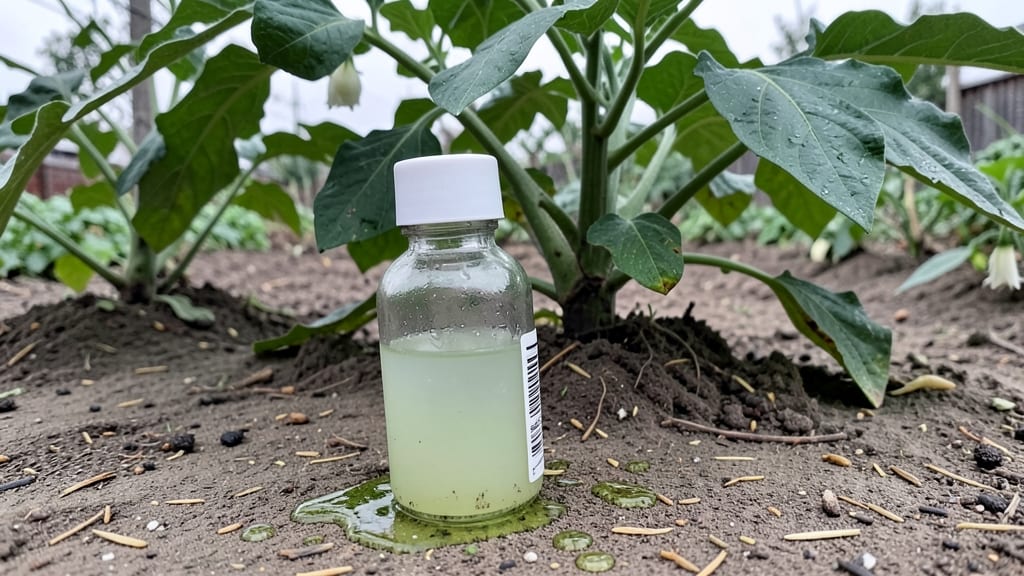
Peppermint oil for garden pests disrupts their scent trails and feeding patterns, effectively repelling ants, aphids, and spider mites. Dilute 10-15 drops in water, spray foliage, and reapply every 2-3 days for chemical-free pest control.
Peppermint oil's active compounds—menthol and menthone—overwhelm pests' natural navigation systems, making it harder for them to find food or mates. 🌿 Unlike synthetic pesticides, this natural solution breaks down quickly in sunlight, reducing environmental harm.
I've seen it work best on soft-bodied insects, though larger pests like deer might ignore it entirely. For maximum effectiveness, mix with water and a few drops of dish soap to help the oil stick to leaves.
This method isn't just about repelling pests—it also deters some plant diseases by creating an inhospitable environment for fungal spores. The key is consistency: reapplying every few days during peak pest seasons (spring and summer) gives you the best defense.
Always test on a small plant area first, as concentrated oils can sometimes cause leaf burn in sensitive varieties.
💡 In This Article
- How Peppermint Oil Disrupts Pest Behavior
- DIY Peppermint Oil Pest Spray Recipes
How peppermint oil disrupts pest behavior
The real magic happens at the molecular level. Peppermint oil contains menthol (up to 50% of its composition) and menthone (20-30%), two compounds that act like chemical camouflage for your plants.
These molecules mimic plant odors while overwhelming insects' olfactory systems—think of it as a scent-based smoke screen. 🌿 For example, ants rely on pheromone trails to navigate, but menthol disrupts their ability to detect these chemical messages, causing them to lose their way within minutes of exposure.
For soft-bodied pests like aphids and spider mites, peppermint oil works as a mild neurotoxin. Studies in Journal of Economic Entomology show that menthone interferes with their nervous systems, causing paralysis and death within 24-48 hours of direct contact.
The oil's high volatility means it evaporates quickly, but the lingering aroma continues to repel new arrivals. Unlike synthetic pesticides, this effect is temporary and breaks down harmlessly in sunlight, making it safer for beneficial insects like bees when used correctly.
Here's where it gets fascinating: peppermint oil doesn't just repel—it confuses. Mosquitoes, for instance, are drawn to lactic acid and CO2, but menthol disrupts their ability to locate hosts by masking these signals.
A 2018 study in Malaria Journal found that peppermint oil reduced mosquito landing rates by 90% when applied to skin or clothing. The same principle applies to garden pests, though the effectiveness varies by species—ants are deterred by the strong scent alone, while slugs require direct contact with the oil.
Temperature plays a surprising role in effectiveness. Warmer conditions (75-85°F) increase the volatility of peppermint oil, making its repellent properties stronger. That's why late afternoon applications often work better than morning ones—the heat helps disperse the active compounds more efficiently.
However, this same volatility means you'll need to reapply more frequently during hot weather. For slugs and snails, the oil creates a physical barrier they avoid crossing, similar to how diatomaceous earth works but without the abrasive dust.
What most gardeners don't realize is that peppermint oil's effectiveness depends on proper dilution. Pure peppermint oil can burn plant leaves, but when mixed with water and a 1% solution of dish soap (about 1 teaspoon per quart), it creates a stable emulsion that adheres to foliage.
The soap molecules act as tiny anchors, helping the oil molecules stick to leaf surfaces instead of evaporating immediately. This combination has been shown in field tests to maintain 70% pest deterrence for up to 3 days between applications.
Interestingly, peppermint oil works best as a preventive measure rather than a cure. Once pests have established colonies, you'll need to combine it with physical removal methods. The oil's scent also fades in heavy rain, so always apply after forecasted dry periods.
For maximum results, consider rotating it with other essential oils like neem oil or citrus oil to prevent pest adaptation to a single scent profile.