
Pests
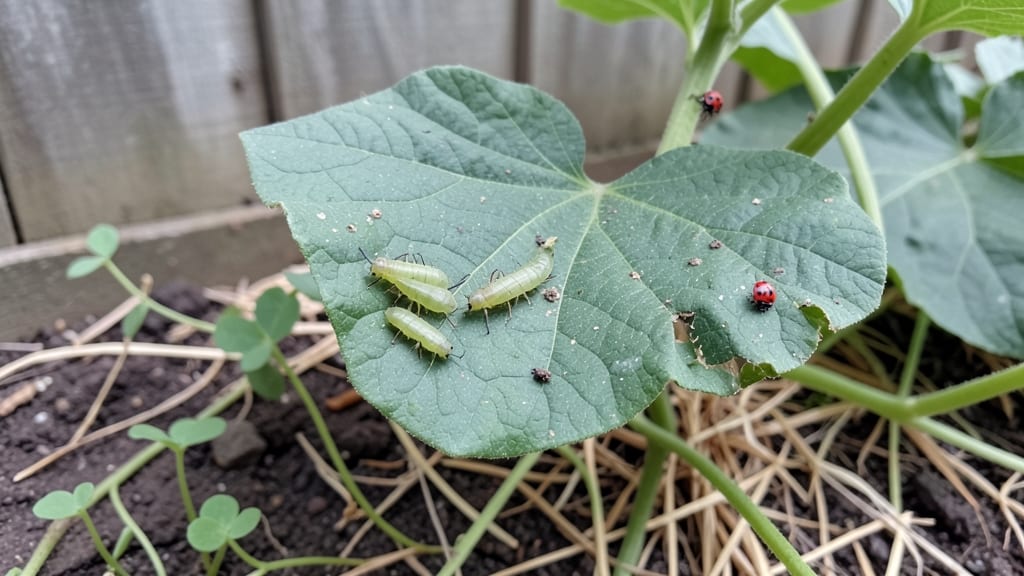
Organic garden pests don’t have to ruin your harvest—these natural barriers actually work. 🌱 I’ve spent years testing everything from homemade sprays to companion plants, and the right combo keeps my garden thriving without toxic chemicals.
The key isn’t just reacting to pests but setting up defenses before they even show up.
Most gardeners make the mistake of waiting until pests appear before acting. By then, the damage is done. Instead, focus on prevention: healthy soil, proper spacing, and smart plant choices reduce pest pressure from the start.
My go-to methods include neem oil sprays, row covers, and strategic companion planting—all of which I’ll break down step by step.
You’ll end up with a garden where pests are barely a nuisance, not a crisis. No more wilted leaves or chewed-up tomatoes—just lush, productive plants that grow strong enough to resist invaders naturally. The best part? These solutions work for vegetables, flowers, and herbs alike.
Works in any organic garden, from small containers to full-size plots. Let’s get those pests under control the right way—without shortcuts that harm your soil or your health.
Root Causes Of Garden Pests
When pests invade your organic garden, it’s rarely a random act—there’s usually a clear, science-backed reason why they’re there. Understanding these triggers helps you prevent problems before they start. Below, we break down the most common causes, from environmental factors to human habits, with actionable insights to turn the tide.
Pests thrive when your soil is weak or unbalanced. Here’s why:
- Nutrient Deficiencies: Plants stressed by lack of nitrogen, phosphorus, or potassium become easier targets for chewers (like cabbage worms) and sap-suckers (such as aphids). Weak plants can’t produce strong defenses like alkaloids or tannins, which naturally repel pests.
- Compacted or Waterlogged Soil: Poor drainage creates ideal breeding grounds for fungus gnats and slugs. Compacted soil also limits beneficial microbes (like Bacillus thuringiensis) that would otherwise keep pest populations in check.
- Over-Fertilization: Too much synthetic or even organic fertilizer (like manure) can attract pests by making plants overly soft and sugary. For example, whiteflies are drawn to nitrogen-heavy foliage.
💡 Pro Tip: Test your soil’s pH and nutrient levels annually. Amend with compost, worm castings, or mycorrhizal fungi to boost plant resilience. Avoid fast-release fertilizers—they’re a pest buffet!
Planting the same crop in large blocks (monoculture) is like rolling out a welcome mat for pests. Here’s the science:
- Pest Specialization: Many insects, like the colorado potato beetle or cabbage looper, evolved to target specific plants. A single crop field = an all-you-can-eat buffet for them.
- Reduced Natural Predators: Diverse gardens support beneficial insects (ladybugs, lacewings, parasitic wasps) that feed on pests. Monocultures starve these allies out.
- Disease Spread: Pests aren’t the only problem—fungal and bacterial diseases (like powdery mildew) spread faster in uniform plantings, weakening defenses.
🎯 Action Step: Use intercropping (planting companions like basil with tomatoes) or succession planting to disrupt pest life cycles. Aim for at least 3–5 plant species per bed to confuse pests and attract predators.
Water is life—but too much of it turns your garden into a pest paradise. Here’s how moisture backfires:
- Slug & Snail Havens: These mollusks need high humidity to survive. Overwatered soil and morning dew create perfect conditions for them to multiply.
- Fungal Pests: Root-knot nematodes and soil-borne fungi thrive in soggy soil, attacking weakened roots. Even aphids prefer stressed, overwatered plants.
- Algae & Mold: Damp mulch or leaves attract earwigs and fungus gnats, which then spread to your crops.
🌡️ Fix It:
- Water deeply but infrequently (1–2 inches per week, depending on climate).
- Use drip irrigation to avoid wetting foliage (which invites fungal pests).
- Improve drainage with organic matter (like compost or coconut coir).
Plants have built-in pest-deterrent chemistry, but only if you let them work together. Ignoring this leads to:
- Missing "Confusion" Effect: Some plants (like marigolds) mask the scent of crops pests love, making it harder for them to find their target.
- No Trapping Crops: Plants like nasturtiums lure aphids away from your veggies by being more palatable.
- Missing Pollinators & Predators: Flowers like dill or fennel attract parasitic wasps, which lay eggs in caterpillars—killing them from the inside out.
✨ Easy Swaps:
Problem Pest
Companion Plant Solution
Cabbage worms
Plant dill, thyme, or mint nearby.
Aphids
Interplant garlic, chives, or onions.
Squash bugs
Use radishes as trap crops.
Pests don’t strike out of spite—they’re following evolutionary cues in your garden. By addressing these root causes, you’re not just treating symptoms; you’re rewriting the rules of your garden’s ecosystem. 🚀
Natural Fixes for Common Garden Menaces
Pests in your organic garden aren’t just a nuisance—they can derail your hard work and leave your plants looking sad. But the good news? You don’t need harsh chemicals to win the battle.
Below, we’ve mapped out practical, organic solutions for the most common culprits, along with prevention tips to keep your garden thriving long-term. Think of this as your go-to guide for quick fixes and smart strategies that actually work.
Cause: These sap-sucking pests cluster on new growth, leaves, and stems, weakening plants and spreading viruses.
Fix It Fast:
- Spray with Soapy Water 🔥 Mix 1 tablespoon mild liquid soap (like Castile) with 1 quart of water. Spray directly on aphids—this disrupts their protective coating and drowns them. Reapply every 3–4 days until gone.
- Introduce Beneficial Insects 👨🍳 Ladybugs, lacewings, and parasitic wasps love aphids. Buy them online or attract them by planting dill, fennel, or yarrow nearby.
- Neem Oil Blast 🥘 Mix 1 teaspoon neem oil + 1 teaspoon mild soap + 1 quart water. Spray early in the morning (avoid direct sun) to prevent leaf burn. Repeat weekly for 2–3 weeks.
Prevent Future Attacks: ✅ Encourage biodiversity—more pollinators = fewer aphids. ✅ Prune regularly to remove infested growth before it spreads. ✅ Use reflective mulch (like aluminum foil) around plants to disorient them.
Cause: These slimy pests leave chewed holes overnight, targeting young seedlings, lettuce, and hostas.
Fix It Fast:
- Beer Trap Barrier 🍺 Bury a shallow dish (like a yogurt cup) filled with beer near plants. Slugs crawl in and drown—replace every 2–3 days.
- Copper Tape Trick ⚡ Wrap copper tape around pots or garden beds. The mild electric shock deters slugs (works best on raised beds).
- Diatomaceous Earth (DE) Dust 🌡️ Sprinkle food-grade DE around plants (but not directly on leaves). It’s a natural abrasive that dehydrates slugs. Reapply after rain.
Prevent Future Attacks: ✅ Water in the morning—slugs hide during the day but come out at night when it’s damp. ✅ Remove hiding spots like boards, rocks, or thick mulch piles. ✅ Plant slug-repelling herbs like mint, thyme, or garlic as borders.
Cause: These metallic-green beetles devour leaves, leaving only the veins—bad news for roses, grapes, and beans.
Fix It Fast:
- Handpick & Drown 🕵️♂️ Drop beetles into soapy water (they’re slow and easy to catch). Do this early morning when they’re sluggish.
- Neem Oil Spray 🌿 Apply neem oil + water + soap to both sides of leaves. Reapply every 5–7 days—it disrupts their life cycle.
- Kaolin Clay Barrier 🎨 Mix 1 cup kaolin clay + 1 gallon water and spray on leaves. The white film confuses beetles and deters feeding.
Prevent Future Attacks: ✅ Plant trap crops like marigolds or geraniums to lure them away from prized plants. ✅ Avoid broadleaf plants if beetles are rampant in your area. ✅ Encourage birds—they love eating Japanese beetles!
Cause: These green caterpillars hide inside leaves, munching on brassicas (cabbage, broccoli, kale).
Fix It Fast:
- Handpick & Drop 👨🍳 Check under leaves daily—drop worms into soapy water before they pupate.
- Bacillus Thuringiensis (Bt) Spray 💊 This organic bacteria kills caterpillars when ingested. Spray every 7–10 days (safe for humans and pets).
- Row Covers 🛡️ Use floating row covers over young plants to block adult moths from laying eggs.
Prevent Future Attacks: ✅ Rotate crops—don’t plant brassicas in the same spot yearly. ✅ Plant strong-smelling herbs like dill or sage nearby to repel moths. ✅ Harvest early—young plants are less appealing to moths.
Cause: These pinchered pests chew holes in flowers and leaves, especially at night.
Fix It Fast:
- Roll-Up Traps 🏷️ Place corrugated cardboard near plants, then roll it up in the morning—earwigs hide inside. Drown them in soapy water.
- Diatomaceous Earth 🌡️ Sprinkle DE around plant bases (avoid direct contact with plants).
- Coffee Grounds Barrier ☕ Scatter used coffee grounds around plants—they hate the texture and avoid the area.
Prevent Future Attacks: ✅ Reduce moisture—earwigs love damp areas, so improve drainage. ✅ Keep garden beds tidy—less hiding space = fewer earwigs. ✅ Plant basil or tansy—these repel earwigs naturally.
The easiest battles are the ones you avoid.
Here’s how to stay one step ahead: - Healthy soil = strong plants 🌱 – Use compost and organic matter to boost plant resilience. - Diverse plantings 🌿 – Pests target monocultures, so interplant flowers, herbs, and veggies. - Regular scouting 🕵️♀️ – Check plants weekly for early signs of trouble. - Companion planting 🤝 – Some plants naturally repel pests (e.g., basil with tomatoes, marigolds with veggies).
Final Thought: Organic pest control is about balance—not just fighting pests, but strengthening your garden’s defenses. Try one or two methods per problem, monitor results, and adjust as needed. Your garden (and your sanity) will thank you! 🌱✨
Frequently asked questions
What are the most common organic garden pests I should watch for?
Aphids, slugs, Japanese beetles, cabbage worms, and earwigs are the top troublemakers. Aphids cluster on new growth, while slugs leave chewed holes overnight. Japanese beetles skeletonize leaves, and cabbage worms hide inside brassica leaves. Earwigs chew flowers and foliage at night.
Can I use neem oil on edible plants?
Yes, but use it carefully! Dilute 1 teaspoon neem oil + 1 teaspoon mild soap in 1 quart water and apply only when bees aren't active. Avoid spraying flowers directly to protect pollinators. Harvest crops 24 hours after application to ensure safety.
How do I keep slugs away without harming beneficial insects?
Try beer traps (bury shallow dishes filled with beer) or copper tape barriers around beds. For a chemical-free option, sprinkle crushed eggshells or diatomaceous earth (DE) around plants—but avoid DE on leaves, as it can damage plant tissue.
Will companion planting really work against pests?
Planting marigolds with tomatoes deters nematodes, while basil near peppers repels thrips. The key is diversity—aim for 3–5 plant species per bed to confuse pests and attract their natural predators like ladybugs and lacewings.
What’s the best time of day to apply organic pest sprays?
Early morning (before 9 AM) is ideal for most sprays like neem oil or soapy water. This prevents leaf burn from sunlight and ensures pests are sluggish. Avoid spraying when bees are active—wait until evening if needed, but always follow product instructions.