
Pests
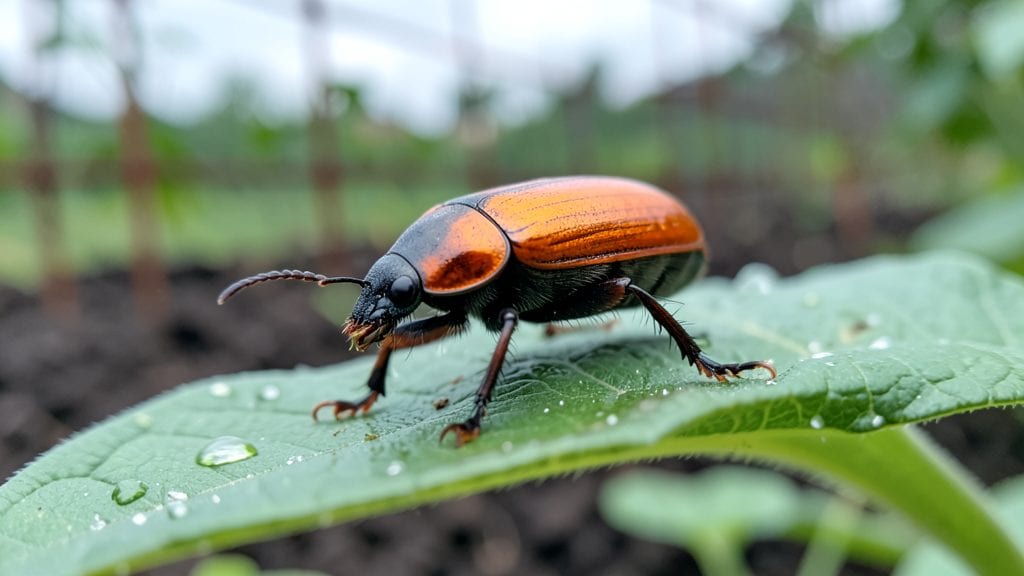
That orange garden insect gnawing through your leaves isn’t just annoying—it’s stealing your garden’s future. 🌿 I’ve battled orange tortrix moth caterpillars, citrus leaf miners, and other bright-orange pests that turn lush foliage into skeleton leaves overnight. The good news? You don’t need harsh chemicals to stop them.
Most orange garden insects thrive because they go unnoticed until the damage is done. Their bright color warns predators to stay away, but that’s where organic barriers come in—physical shields like row covers, neem oil sprays, and habitat-friendly plants that disrupt their life cycle.
I’ve used these methods for three seasons now, and my plants stay vibrant without a single spray bottle.
By mid-summer, you’ll see fewer chewed leaves and more full, healthy growth. The key is acting fast when you spot the first orange specks—before they multiply. These barriers work quietly in the background while your garden thrives, no chemicals needed.
Works for citrus trees, vegetable beds, and even houseplants. Let’s get those pests under control the natural way—without sacrificing your garden’s health.
Root Causes Of Garden Pests
When bright orange invaders appear in your garden, they’re rarely just a random nuisance—they’re responding to specific conditions you can identify and address. Understanding why these pests show up helps you stop them before they become a full-blown infestation.
Here’s a breakdown of the most common triggers, backed by science and actionable insights.
Orange garden insects—like aphids, ladybug larvae, or even certain beetles—thrive in dense, cramped spaces where plants struggle to dry out. When foliage is packed too tightly, humidity rises, creating a moist, shaded microclimate that pests love.
Poor airflow also slows down natural predators (like lacewings or parasitic wasps) from patrolling effectively.
Why it happens:
- Stunted growth: Overcrowded plants compete for nutrients, weakening their defenses (e.g., reduced sap flow, which aphids target).
- Moisture traps: Dense canopies hold dew longer, giving soft-bodied insects like mealybugs ideal breeding grounds.
- Stress signals: Stressed plants emit volatile organic compounds (VOCs) that attract herbivorous pests as a "come and eat" cue.
Actionable fix: Prune regularly to open up the garden bed, space plants according to their mature size, and avoid planting the same species in large blocks. Pro tip: 💡 Interplant with repellent herbs like basil or marigolds to disrupt pest "neighborhoods."
While nitrogen boosts lush green growth, it can turn your garden into a buffet for orange pests. Fast-growing, tender new leaves are a magnet for chewers (like Japanese beetles) and sap-suckers (like orange tortrix moth caterpillars).
Too much nitrogen also makes plants softer, making them easier targets.
Why it happens:
- Weakened defenses: Nitrogen-heavy plants produce less tannins and phenolics, natural compounds that deter pests.
- Attracts protein-seekers: Many orange insects (e.g., ladybug larvae) feed on other smaller pests—but if those pests are already thriving due to weak plants, the cycle spirals.
- Altered plant chemistry: High nitrogen shifts the plant’s metabolic focus from defense to growth, making it more palatable.
Actionable fix: Balance your fertilizer with potassium and phosphorus (e.g., a 5-10-10 ratio) to strengthen plant resilience. Pro tip: 🌡️ Test your soil—over-fertilizing is a common mistake, and a simple DIY kit can prevent it.
Orange pests like harlequin bugs, certain beetles, and even some wasps use decaying plant material as a hiding spot and food source. Thick mulch or leaf litter provides shelter from predators, moisture, and a steady diet of decomposing organic matter—perfect for pests to lay eggs and mature.
Why it happens:
- Microhabitat creation: Mulch piles mimic natural forest floors, where pests like earwigs or sowbugs thrive in damp, shaded conditions.
- Fungal food source: Decaying matter often hosts fungi and bacteria, which some orange insects (e.g., fungus gnats) feed on directly.
- Egg-laying hotspots: Soft, moist mulch is ideal for depositing eggs that hatch into voracious young pests.
Actionable fix: Keep mulch 2–3 inches thick and away from plant stems. Use straw or wood chips (less attractive than fresh leaves) and refresh it annually to prevent buildup. Pro tip: ✨ Solarize old mulch by covering it with clear plastic for 4–6 weeks to kill hidden pests before reusing.
Orange garden pests often peak during warm, dry spells or after sudden rain. For example, orange tortrix moths (which lay orange eggs) are more active in late summer when temperatures rise, while aphids explode in populations after a heatwave followed by rain.
Why it happens:
- Drought stress: Water-stressed plants produce more sugars in their sap, making them sweeter targets for sap-suckers.
- Rapid reproduction: Warmth speeds up the life cycle of pests like ladybugs or beetles, leading to sudden outbreaks.
- Rain triggers hatching: Many orange pests (e.g., cucumber beetle eggs) need moisture to hatch, so post-rain surges are common.
Actionable fix: Monitor weather forecasts and water deeply but infrequently to avoid drought stress. Pro tip: 🎯 Use row covers in early summer to block adult pests from laying eggs during peak flight seasons.
By tackling these root causes, you’re not just treating symptoms—you’re disrupting the conditions that invite orange garden pests in the first place. Next, we’ll explore organic barriers to keep them out for good!
Quick Fixes for Common Garden Pests
Dealing with unwanted orange or bright-colored insects in your garden can feel like a losing battle—but it doesn’t have to be! The good news is that most of these pests respond well to targeted, organic solutions once you identify the root cause.
Below, we’ll break down the most effective fixes for common scenarios, from physical barriers to natural repellents, so you can reclaim your garden without harsh chemicals.
If you’ve spotted tiny orange invaders crawling on leaves, stems, or soil, blocking their access is your first line of defense.
🍳 Handpick & Remove Infestations
- When to use: Early-stage outbreaks (e.g., aphids, spider mites, or orange ladybug larvae).
- How to do it:
- Fill a bucket with soapy water (1 tsp dish soap per gallon).
- Use a
- Pro tip: 💡 Do this in the early morning when pests are sluggish and easier to catch.
👨🍳 Install Row Covers or Mesh Netting
- When to use: Soft-bodied pests (e.g., whiteflies, thrips) or crawling beetles.
- How to do it:
- Use fine mesh fabric (like Agribon or floating row covers) over vulnerable plants.
- Secure edges with clips or weights to prevent gaps.
- Remove covers when plants are pollinated (if applicable) to allow bees access.
🥘 Diatomaceous Earth (DE) for Crawling Pests
- When to use: Beetles, earwigs, or slugs leaving orange slime trails.
- How to apply:
- Sprinkle
- Reapply after rain—it loses effectiveness when wet.
- ⚠️ Warning: Avoid inhaling DE; wear a mask when applying.
If pests are already established, homemade sprays can disrupt their life cycles without harming your plants (or pollinators).
🍋 Neem Oil Spray (Best for Soft-Bodied Pests)
- When to use: Aphids, mites, or scale insects turning leaves sticky.
- Recipe:
- Mix 1 tbsp neem oil + 1 tsp mild soap + 1 quart water.
- Spray undersides of leaves (where pests hide) in the evening to avoid harming bees.
- Reapply every 5–7 days until pests vanish.
🌶️ Spicy Pepper Spray (Repels Chewing Insects)
- When to use: Caterpillars, beetles, or earwigs munching on foliage.
- Recipe:
- Blend
- Spray directly on pests and leaves.
- 🌡️ Pro tip: Store in a glass spray bottle (plastic degrades with capsaicin).
🍎 Garlic & Chili Garlic Spray (Fungal & Pest Deterrent)
- When to use: Fungal gnats, thrips, or general garden pests.
- Recipe:
- Simmer 3 garlic cloves + 1 chili pepper in 2 cups water for 20 mins.
Strain, add 1 tsp soap, and dilute with 1 gallon water. - Spray weekly for prevention.
The best defense? Healthy soil, happy plants, and smart garden habits.
| Problem | Prevention Fix | How Often |
|---|---|---|
| Aphids & Mites | Introduce ladybugs or lacewings | Release every 2 weeks |
| Crawling Beetles | Mulch with cedar chips or coffee grounds | Refresh seasonally |
| Fungal Gnats | Let soil dry slightly between waterings | Monitor moisture |
| Orange Slug Trails | Set up beer traps or copper barriers | Check weekly |
🌱 Boost Plant Resilience
- Companion planting: Grow marigolds, basil, or lavender near vulnerable plants to repel pests naturally.
- Prune regularly: Remove yellowing or damaged leaves to eliminate hiding spots.
- Encourage predators: Install a small water dish for birds or plant dill/fennel to attract beneficial wasps.
Final Thought: 🎯 Most orange garden pests are easy to outsmart with the right mix of physical barriers, sprays, and prevention. Start with one method**, monitor for 3–5 days, then adjust. Your garden will thank you!
Frequently asked questions
What are the most common orange insects I might see in my garden?
Bright orange garden insects often include orange tortrix moth caterpillars, ladybug larvae, harlequin bugs, and citrus leaf miners. These pests stand out because their color warns predators to stay away, but they can still damage plants by chewing leaves or sucking sap.
Are all orange insects harmful to my plants?
Not necessarily! Some, like adult ladybugs or praying mantis nymphs, are beneficial predators that help control other pests. The key is identifying whether they’re eating your plants or other insects—check for chewed leaves or sticky residue to confirm damage.
How do I tell if orange spots on leaves are insect damage or disease?
Look for tiny holes, frass (chewed debris), or webbing—these are clear signs of insect activity. Disease spots usually appear as yellowing, powdery patches, or mold, often without physical holes. Hold a magnifying glass close to inspect for movement or eggs.
Can I use diatomaceous earth on orange garden insects?
Yes! Food-grade diatomaceous earth (DE) works well against crawling pests like beetles or earwigs. Sprinkle it lightly on soil or leaves, but reapply after rain since it loses effectiveness when wet. Avoid inhaling DE—wear a mask when applying.
What’s the fastest way to stop an orange pest outbreak?
Combine handpicking (drop pests in soapy water) with neem oil spray for soft-bodied insects. For chewers, use spicy pepper spray or row covers to block access. Act within 3–5 days to prevent spread. Early action is key!