
Advice
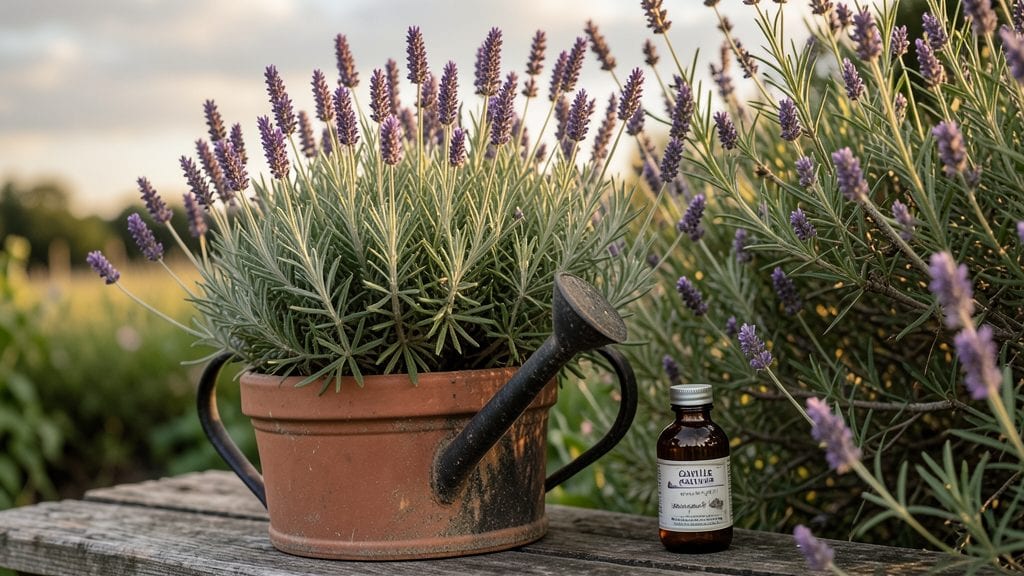
Castile soap for gardens disrupts insect exoskeletons and breaks down fungal spores naturally, offering a chemical-free way to control pests and fungal growth. Always dilute it properly to protect plants from damage.
Castile soap works because its saponins—natural plant compounds—pierce the waxy outer layers of insects and dissolve fungal cell membranes. 🌱 This makes it effective against common garden pests like aphids, spider mites, and powdery mildew without harming beneficial insects when used correctly.
The key is dilution: too much can harm plants, while the right ratio (typically 1-2 tablespoons per gallon of water) ensures safe, effective pest control.
For best results, apply Castile soap sprays in the early morning or late evening when temperatures are cooler and bees are less active. Avoid spraying on flowering plants if bees are present, as the soap can temporarily repel them.
Store homemade sprays in a cool, dark place for up to 5 days to preserve their potency.
💡 In This Article
- How Castile Soap Kills Pests and Fungi
- Best Ways to Use Castile Soap in Garden Sprays
How Castile soap kills pests and fungi
Castile soap's pest-fighting power comes from its saponins—natural compounds that act like tiny detergents. These molecules disrupt the waxy cuticle of insects, causing dehydration and suffocation. For fungi, saponins break down cell membranes by dissolving their lipid layers, which are essential for spore survival.
This dual action makes it effective against both soft-bodied pests and fungal infections like powdery mildew.
The effectiveness varies by pest type. Against aphids, the soap's saponins create a film that clogs their breathing pores within 1-2 hours, while spider mites show signs of distress after 6-12 hours of exposure.
For powdery mildew, the soap needs direct contact with spores—spraying when humidity is 60% or lower prevents the fungus from thriving while the treatment works. The key is timing: apply when pests are active but before extreme heat (above 90°F) that can degrade the soap's active ingredients.
Dilution ratios matter because undiluted Castile soap can damage plant leaves by stripping their protective wax layer. A 1-2 tablespoon per gallon ratio provides enough saponins to kill pests while being gentle on most plants.
For example, a 1.5 tablespoon per gallon mix works well for aphids on roses, while 2 tablespoons per gallon is better for tougher fungal infections. Always test on a small leaf area first—some plants like impatiens or delphiniums are particularly sensitive.
Here's what happens at the cellular level: saponins bind to cholesterol in insect cell membranes, creating pores that allow water and electrolytes to leak out. For fungi, the soap's alkaline pH (around 8.5-9.5) disrupts the fungal hyphae's ability to absorb nutrients.
This dual mechanism is why Castile soap works against both pests and fungi without developing resistance, unlike many synthetic pesticides.
The soap's texture also plays a role—its slightly viscous consistency helps it cling to plant surfaces longer, extending contact time with pests. When mixed with 1 teaspoon of vegetable oil per gallon, it becomes even more effective by adding a smothering effect on soft-bodied insects.
However, this oil addition should be avoided for plants prone to fungal issues, as oils can create moisture traps that encourage mold growth.
What most gardeners don't realize is that Castile soap's effectiveness drops significantly after 5 days of storage. The saponins begin breaking down, reducing their ability to penetrate pest barriers. This is why freshly mixed sprays work best—always prepare small batches for immediate use.
For long-term storage, consider adding 1 tablespoon of vodka per gallon as a natural preservative that extends shelf life to 2-3 weeks.