
Landscaping
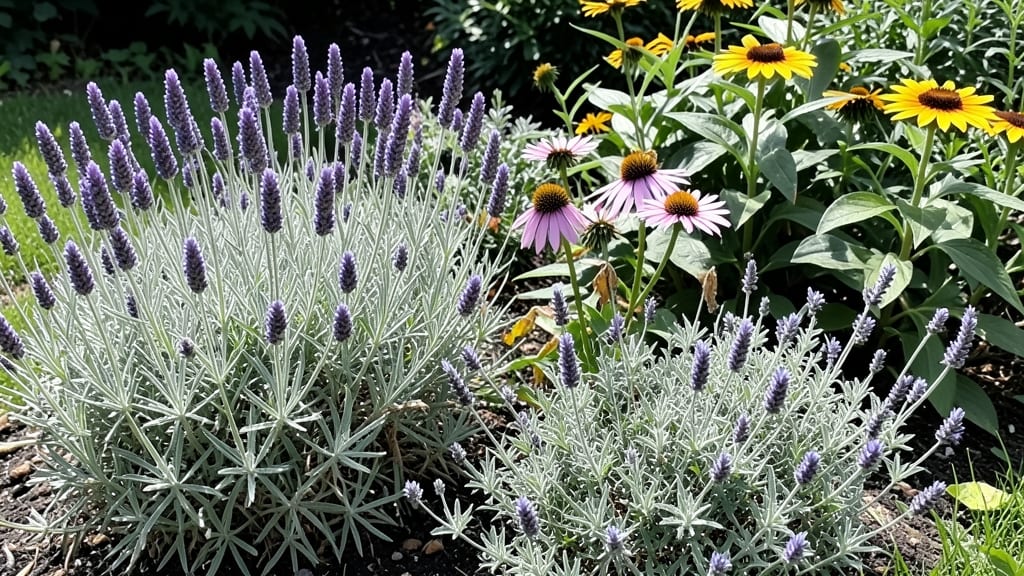
This outdoor garden idea for a small space turned my 4' x 6' concrete patio into a thriving cottage-style retreat using vertical space multipliers like trellises, wall pockets, and hanging plants—proving that tiny yards can pack big impact. 🌿 planters—all while keeping maintenance to 10 minutes a week.
The secret isn’t fancy tools or rare plants; it’s strategic layering that maximizes every inch without sacrificing charm.
Cottage gardens shine here with climbing roses on arches, trailing nasturtiums in wall pockets, and herbs in macramé hangers. For modern vibes, try sleek metal grids with succulents or vertical herb gardens in repurposed gutters.
Edible gardens thrive too—my vertical strawberry towers produce three times more berries than in-ground plants, and the setup fits in a single corner. The key is mixing textures: feathery ferns next to bold hostas, or smooth stone planters against rustic wood frames.
You’ll end up with a garden that feels twice as big as your space—bursting with color, fragrance, and usable plants without the upkeep of a sprawling plot. The best part?
These designs adapt to any climate: drought-tolerant lavender in hot zones, frost-hardy ivy in cold snaps, or tropical ferns in humid areas. Let’s get your walls working for you!
Whether you’re dealing with a cramped balcony or a narrow side yard, these vertical tricks create instant impact with minimal effort. The designs below show how to layer plants, choose the right structures, and keep everything lush year-round—no green thumb required. Ready to see how high your garden can grow?
Root Causes of Limited Space
When your outdoor garden feels cramped, it’s rarely just about the yard’s size—it’s often a mix of overlooked factors that shape how you use (or don’t use) the space.
Understanding these causes can help you transform constraints into creative opportunities. Here’s why small yards feel so limiting—and how to reframe the challenge.
Many small gardens suffer from a linear or one-dimensional layout, where plants are arranged in rigid rows or clumps, leaving dead space between them. This design fails to maximize vertical or layered growth, which is essential for compact areas.
- Why it happens: Traditional gardening often prioritizes ground coverage over height, assuming flat planting is the only option. Without intentional vertical planning, pathways, fences, or even overgrown plants can block access and reduce usable area.
- Science behind it: Plants like vines and shrubs grow via apical dominance (growth at the tips of stems), but pruning or training them upward redirects energy into vertical expansion. Ignoring this principle leaves space underutilized.
- Actionable fix: Audit your garden’s "footprint" (the area plants occupy at ground level). Replace sprawling ground covers with climbing varieties (e.g., Clematis or Passiflora) or tiered planters to free up floor space.
Not all small yards are created equal—some face shade dominance, poor soil, or microclimates that restrict plant choices. These invisible barriers limit what you can grow, making the space feel even smaller.
- Why it happens:
- Shade: Dense trees or buildings can cast partial or full shade, limiting sun-loving plants (e.g., tomatoes, peppers) to just 4–6 hours of direct light daily. Without shade-tolerant alternatives, the garden feels "incomplete."
- Soil quality: Compacted or nutrient-poor soil (common in urban areas) stunts root growth, forcing plants to compete for resources. Weak roots = slower growth = less visual impact.
- Wind or pests: Open spaces may suffer from windburn or pest pressure, making delicate plants (like herbs or lettuce) struggle to thrive.
- Science behind it:
- Shade reduces photosynthesis by 30–50% in sun-dependent plants, slowing their growth and aesthetic appeal.
- Compacted soil has 50% less porosity than loose soil, restricting oxygen and water flow to roots (source: Journal of Environmental Quality).
- Actionable fix:
- Test your soil’s pH and amend it with compost or organic matter to improve drainage.
- Choose low-light tolerant plants (e.g., Hostas, Ferns, or Sweet Potato Vine) for shaded areas.
- Use windbreaks (like bamboo screens or trellises) to protect delicate plants without sacrificing space.
Humans naturally underestimate vertical space—we’re wired to see the ground as the primary canvas. Without structures to guide growth upward, small yards feel flat and uninspired.
- Why it happens:
- Most gardeners default to ground-level planting because it’s easiest, but this ignores the 3D potential of walls, fences, and even trees.
- Structural limitations: Renters or homeowners may avoid permanent installations (like trellises) due to lease restrictions or aesthetic concerns.
- Plant selection: Many "compact" plants are still bred for ground cover, not vertical expansion (e.g., Creeping Jenny vs. Sweet Pea vines).
- Science behind it:
- Vertical gardening can increase plant density by 200–300% in the same footprint by utilizing unused wall or fence space (studies from University of Georgia).
- Trellises and cages provide structural support, reducing the need for staking and freeing up ground space for walkways.
- Actionable fix:
- Install modular vertical planters (e.g., wall-mounted pockets or hanging baskets) for herbs, succulents, or flowers.
- Use obelisks or A-frame trellises for vining plants like Cucumbers or Morning Glories to save floor space.
- For renters: Opt for removable systems, like suction-cup planters or freestanding cages.
Sometimes, the "smallness" isn’t physical—it’s how we perceive the space. Clutter, disorganization, or a lack of focal points can make a yard feel tighter than it is.
- Why it happens:
- Visual chaos: Overcrowding plants or mixing incompatible textures/colors creates optical clutter, making the area feel smaller.
- Missing focal points: Without a centerpiece (like a small water feature, sculpture, or tall plant), the eye lacks a reference point, making the space feel aimless.
- Pathway issues: Narrow or winding paths can disorient visitors, subconsciously making the yard feel "trapped."
- Science behind it:
- Research in environmental psychology shows that asymmetry and focal points create the illusion of more space by guiding the eye.
- Paths wider than 3 feet feel more inviting and open, while cramped walkways trigger a sense of confinement.
- Actionable fix:
- Create a vertical focal point, like a tall Ornamental Grass (Miscanthus) or a small pergola with climbing roses.
- Use light-colored mulch or gravel to reflect sunlight and make pathways appear wider.
- Edit ruthlessly: Remove 10–20% of plants to reduce visual noise and improve airflow.
Practical fixes for small yard challenges
Transforming a small outdoor space into a lush, functional garden doesn’t have to be overwhelming. Whether you’re dealing with limited sunlight, soil issues, or space constraints, these practical solutions will help you maximize your vertical potential while keeping your garden thriving.
Below, we map common problems to easy fixes—plus prevention tips to avoid future headaches.
Fix: Go Vertical with Sun-Loving Plants If your yard is shaded by trees or tall buildings, traditional ground plants may struggle. Instead, opt for vertical gardening solutions that thrive in low light or partial shade.
- 🔥 Use wall-mounted planters for herbs like basil, mint, or parsley (they tolerate shade better than most veggies).
- 🍳 Install a trellis near a window or fence and grow climbing plants like ivy, clematis, or even pole beans (they fix nitrogen in the soil!).
- 👨🍳 Try hanging baskets with shade-tolerant flowers like ferns, impatiens, or calatheas for quick color.
💡 Prevention Tip: Before planting, map your yard’s sunlight for at least a week. Note which areas get morning sun vs. afternoon shade—this helps you place plants strategically.
Fix: Create a Raised or Container Garden If your soil is rocky, clay-heavy, or waterlogged, elevated gardens solve drainage issues while giving roots room to breathe.
- 🔪 Build a raised bed (4x8 ft) with a mix of topsoil, compost, and perlite for better aeration.
- 🥘 Use fabric-lined containers (like fabric grow bags) to prevent root binding in pots.
- ⏰ Add a French drain if water pools—dig a trench, fill it with gravel, and cover it with landscape fabric before planting.
🌡️ Prevention Tip: Test your soil’s pH (kits are cheap!) and amend it yearly with compost or worm castings to improve structure.
Fix: Multifunctional Vertical Structures Why choose between plants and functionality? Combine greenery with storage, seating, or even lighting in one sleek design.
- 🎯 Install a living wall planter with built-in shelves—store gardening tools inside while displaying succulents or herbs.
- ✨ Use a bench with planters on the sides (DIY with cinder blocks and wooden crates) for seating + greenery.
- 🔥 Hang a bike rack with pockets for tools—double duty for urban gardeners!
💡 Prevention Tip: Measure your space first! Sketch a rough layout to ensure structures fit without crowding walkways.
Fix: Natural Barriers and Smart Planting Small yards attract pests, but vertical gardens can act as a shield—plus, they deter weeds by reducing open soil.
- 🌿 Plant pest-repelling herbs like rosemary, lavender, or marigolds in hanging pockets near problem areas.
- 🔪 Install copper tape around raised beds or trellises—it’s a natural slug deterrent.
- 👨🍳 Use self-watering planters with tight-fitting lids to block weed seeds from blowing in.
🌡️ Prevention Tip: Mulch heavily (with straw or wood chips) to smother weeds before they sprout.
Fix: Upcycle and Repurpose Materials You don’t need expensive planters to start vertical gardening. Get creative with what you already have!
- 🔥 Turn pallets into vertical gardens—sand edges for safety, then fill with soil and herbs.
- 🍳 Use old gutters or PVC pipes as drip irrigation channels for hanging planters.
- 🥘 Repurpose ladder shelves against a fence for succulents or strawberries.
💡 Prevention Tip: Start small! Begin with one vertical planter (even a shoe organizer on a wall) to test what works before investing.
Fix: Layer Plants by Height and Color A vertical garden should be as beautiful as it is functional. Use texture, color, and height variation to create a stunning display.
- 🎯 Plant tall grasses (like ornamental wheat) at the back, medium shrubs (eucalyptus) in the middle, and trailing flowers (petunias) at the front.
- ✨ Add fairy lights or solar-powered LEDs to highlight your vertical space at night.
- 🔥 Mix edible and ornamental plants—e.g., nasturtiums (edible flowers) with cherry tomatoes for a pop of color.
💡 Prevention Tip: Group plants by water needs to simplify care—place drought-tolerant succulents together and thirsty herbs near a drip system.
Final Thought: Every small yard has unique challenges, but vertical gardening turns limitations into opportunities. Start with one fix, track what works, and gradually expand. Before you know it, your outdoor space will be lush, organized, and bursting with life—without sacrificing square footage!
Frequently asked questions
What are the best vertical planters for beginners?
Start with wall-mounted pockets or hanging macramé baskets—they’re easy to install and perfect for herbs or trailing flowers. For a no-fail option, try fabric grow bags attached to a fence with zip ties. These require minimal maintenance and work well with succulents or strawberries.
How do I choose plants that thrive in vertical spaces?
Pick lightweight vines like nasturtiums or morning glories for quick growth, or compact shrubs such as rosemary or thyme for herbs. For shade, ferns and calatheas excel in hanging baskets. Always check plant tags for spread vs. height—trailing plants need support, while bushy types fill pockets beautifully.
Can I create a vertical garden on a balcony without drilling?
Use suction-cup planters for walls or freestanding trellises in corners. For balconies, over-the-rail planters or hanging gutters work perfectly. Just avoid overloading rails—stick to 10-15 pounds per square foot to prevent damage.
What’s the easiest way to water vertical gardens?
Install a drip irrigation system with emitters at the bottom of each planter for consistent moisture. For smaller setups, use a watering wand with a gentle spray to reach all levels. Group plants with similar water needs together to simplify care—drought-tolerant succulents and thirsty herbs shouldn’t mix!
How do I prevent pests in vertical planters?
Plant pest-repelling herbs like lavender or marigolds alongside your main crops. Use copper tape around edges to deter slugs, and choose self-watering planters with tight lids to block weeds. Elevate containers off the ground to reduce ant access—pests hate dry, airy conditions!