
Orchid Care
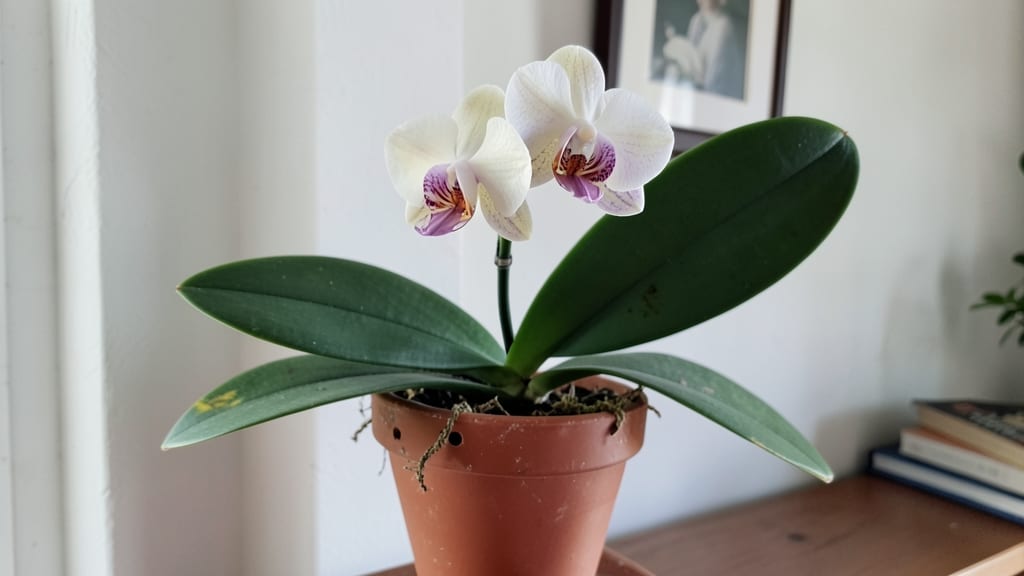
Orchids aren't just for windowsills—they can be your garden's most fragrant, year-round privacy screen. 🌿 I learned this after struggling with leafy but boring evergreens that never quite hid my neighbors' view.
The right orchids—like the hardy Phalaenopsis or Dendrobium—bring lush foliage, delicate blooms, and that intoxicating floral scent that lingers even on humid summer nights.
Here's the game-changer: orchids thrive in partial shade where most plants wilt, and they pair beautifully with ferns, hostas, or bamboo for a tropical vibe.
You'll need well-draining soil, a sturdy trellis or container system, and a spot that gets morning sun but afternoon shade—basically the same conditions where ferns and calatheas already grow. The best part? They keep their leaves all winter, unlike many traditional privacy plants that go dormant.
Imagine stepping into your garden and being greeted by velvety green leaves and clusters of blooms that last weeks, not days. The fragrance—especially from Cymbidium or Vanda varieties—will make your outdoor space feel like a hidden sanctuary.
With proper care, these orchids will reward you with new growth every spring, creating a living screen that only gets more impressive over time.
Works equally well in containers along a fence, planted in shaded garden beds, or even as a hanging cascade over a deck. The key is matching orchid types to your climate zone—some handle cooler nights better than others. Let's design your fragrant privacy oasis!
📚 In This Guide
- What you need
- Instructions
- Tips and common mistakes
- Wrapping up and next steps
What you need
- ● Orchid plants: 8–12 fragrant varieties (e.g., Phalaenopsis, Dendrobium, or Vanda) for a lush screen. Choose disease-resistant types.
- ● Well-draining potting mix: 5–10 gallons of orchid-specific bark mix (e.g., 50% fir bark, 30% perlite, 20% charcoal). Avoid garden soil!
- ● Containers: 6–12 terracotta or plastic pots (4–6 inches deep) with drainage holes. Hangable baskets work too!
- ● Stakes or trellises: 10–12 bamboo or metal stakes (3–4 feet tall) for climbing orchids like Vanda.
- ● Slow-release fertilizer: 1–2 orchid-specific pellets (e.g., Osmocote) per pot.
- ● Watering can or spray bottle: With a fine rose nozzle for gentle hydration.
- ● Pruners: Sterilized, sharp pruners for trimming spent blooms or roots.
- ○ Mulch (optional but helpful): 2–3 yards of wood chips or pine bark to retain moisture and suppress weeds.
- ● Gloves: Garden or nitrile gloves to protect from bark mix and sap.
- ● pH test kit: To check soil pH (ideal: 5.5–6.5). Adjust with lime or sulfur if needed.
- ● Supporting structure: A trellis, fence, or pergola (6–8 feet tall) for vertical growth.
- ● Shade cloth (30–50% coverage): 10–20 sq. ft. to protect from harsh afternoon sun.
- ○ Misting system (optional): For high humidity areas—automatic or manual works!
- ● Label tags: Waterproof markers to track orchid varieties and care notes.
Step-by-step guide for creating a fragrant orchid privacy screen
Here’s how to transform your garden into a lush, fragrant orchid haven that blooms reliably.
🌱 Step 1: Select the Right Orchid Varieties for Year-Round Bloom
For a fragrant privacy screen, I recommend moth orchids (Phalaenopsis) and dendrobiums—both thrive in garden conditions and produce stunning, long-lasting blooms. Moth orchids offer delicate, sweet fragrance, while dendrobiums bring bold, tropical scents. Choose 4-6 mature orchid plants (3-4 feet tall) to ensure immediate height and coverage.
Plant them in clusters of 2-3 along a trellis, fence, or pergola, spaced 18-24 inches apart. This spacing allows air circulation (critical for orchids) while creating a dense, fragrant barrier. Avoid planting in full afternoon sun—orchids prefer morning sun with afternoon shade to prevent leaf burn.
🪴 Step 2: Prepare the Planting Site for Optimal Growth
Orchids need well-draining, airy soil—never garden soil, which holds too much moisture. Mix 3 gallons of orchid bark mix (coarse, chunky) with 1 gallon of perlite to create a lightweight, breathable medium. Fill 4 large hanging baskets (12-14 inches in diameter) or 4 deep containers with drainage holes, leaving 2 inches of space at the top for watering.
Mount orchids on cypress bark slabs if you prefer a natural, vertical look. Attach the bark to a trellis or fence using orchid clips or soft wire, positioning roots against the bark. Water thoroughly after planting—until water runs freely from the bottom—then let excess drain completely. This ensures roots don’t rot, which is the #1 killer of orchids.
☀️ Step 3: Position for Light and Humidity Balance
Place your orchid screen where it gets bright, indirect light—think dappled shade under a tree or east-facing exposure. A south-facing window with sheer curtains works indoors. Too much direct sun (especially afternoon rays) will scorch leaves, while too little light means no blooms. You’ll know the light is right when leaves stay bright green, not yellow or dark purple.
Orchids love 60-80% humidity, so group them near a small fountain, misting system, or pebble tray. Add 4-6 inches of pebbles to a shallow tray, fill with water, and place the orchid pots on top. The evaporating water creates a humid microclimate. In dry climates, mist the foliage daily in the morning—just avoid wetting the flowers.
💧 Step 4: Water and Fertilize for Continuous Blooms
Water orchids once a week in summer, every 10-14 days in winter—never on a schedule. Instead, check the bark mix: it should feel dry to the touch 1-2 inches deep. Water deeply until water drains through the bottom, then empty the saucer to prevent root rot. I use a spray bottle for misting and a watering can with a narrow spout for soaking—this mimics their natural tropical rainfall.
Feed with orchid fertilizer (20-20-20) diluted to half-strength every 4 weeks in spring and summer. Skip fertilizer in fall and winter when the plant rests. You’ll see new growth and blooms within 8-12 weeks of consistent care. If leaves turn yellow, you’re overwatering; if they wrinkle, it’s time to water.
✂️ Step 5: Prune and Maintain for Long-Term Beauty
After blooms fade, cut the flower spike back to the second or third node (the bump where leaves grow). This encourages a new spike to grow and more blooms. Use sterilized pruners to avoid spreading disease. Remove yellow or dead leaves at the base to redirect energy to new growth—never pull leaves from the middle of the plant.
Repot every 2-3 years when the bark mix breaks down. Gently separate roots, trim any rotted or mushy roots with clean scissors, and refresh the mix. This rejuvenates the plant and prevents nutrient depletion. With this care, your orchid screen will bloom year-round, filling your garden with fragrance and privacy.
Tips & tricks for perfect fragrant orchid privacy screens
Creating a fragrant orchid screen is all about getting the details right—these tips will help you avoid common pitfalls and create a thriving, fragrant garden feature.
Variety Selection: Moth orchids (Phalaenopsis) and dendrobiums are your best choices for fragrance and reliability, but if you want to add variety, consider oncidiums for their citrusy scent. The key is to select mature plants (3-4 feet tall) that already have established roots—this ensures immediate height and coverage. Between us, skipping this step means waiting months for your screen to fill out.
Soil Mix Matters: The 3:1 ratio of orchid bark mix to perlite is non-negotiable for proper drainage. I've seen orchids fail spectacularly when planted in regular garden soil, which holds too much moisture and suffocates roots. Pro tip: Add a handful of charcoal chunks to your mix—this prevents bacterial growth and keeps roots healthy.
Light Positioning: That bright, indirect light is crucial—think morning sun with afternoon shade. A common mistake is placing orchids in full sun, which causes leaf burn. I've learned this the hard way after watching beautiful green leaves turn crispy brown. Test your spot by observing how light moves across your garden throughout the day before planting.
Pruning Strategy: When you cut back that flower spike to the second or third node, you're not just cleaning up—you're encouraging new growth. Here's what nobody tells you: If your orchid produces a second spike from the same node, let it grow! This can lead to double the blooms next season. Just make sure to use sterilized pruners to prevent disease spread between plants.
Pro Tips for Orchids In Garden
- Creating a fragrant orchid screen is all about getting the details right—these tips will help you avoid common pitfalls and create a thriving, fragrant garden feature.
- Variety Selection: Moth orchids (Phalaenopsis) and dendrobiums are your best choices for fragrance and reliability, but if you want to add variety, consider oncidiums for their citrusy scent.
- Soil Mix Matters: The 3:1 ratio of orchid bark mix to perlite is non-negotiable for proper drainage.
Frequently asked questions
Got questions about growing orchids as a fragrant privacy screen?
Here are answers to the most common ones—from planting to troubleshooting!
Can orchids survive outdoors year-round in all climates?
Most orchids thrive outdoors in USDA Zones 9-11 with mild winters. In colder climates, opt for hardy varieties like Dendrobium or Cymbidium, or grow them in containers you can move indoors during frost. Pro tip: Use mulch or frost cloth for extra protection!
How long does it take for orchids to grow into a privacy screen?
Orchids grow slower than traditional hedges—expect 3-5 years for a lush, 6-foot-tall screen. Cymbidium and Phalaenopsis (moth orchids) are faster growers, while Vandas or Cattleyas may take longer. Boost growth with balanced fertilizer and proper sunlight!
Do orchids need special watering in a garden setting?
Yes! Orchids hate soggy roots. Water early in the day and ensure pots/containers have drainage holes. In gardens, plant in well-draining soil mixes (like bark or perlite blends) and avoid overhead watering to prevent fungal issues. Mist lightly for terrestrial orchids like Paphiopedilums.
What pests or diseases should I watch for in garden orchids?
Common culprits include aphids, mealybugs, and scale (wipe with soapy water). Root rot from overwatering is another risk. Prevent issues by spacing plants for airflow and using neem oil for pests. Yellow leaves? Check for thrips or nutrient deficiencies!
Can I mix orchids with other plants in my garden?
Pair orchids with shade-tolerant perennials like ferns, hostas, or Hellebores. Avoid competitive plants (e.g., bamboo) that steal moisture. For fragrant screens, combine with Gardenia or Jasmine for a dual-scent bonus. Tip: Orchids love humidity—group them with moisture-loving pals!
How do I protect orchids from winter cold or heatwaves?
| Cold Snaps (Zones 7-8) | Heatwaves (Zones 9-11) |
|---|---|
| Move potted orchids indoors or wrap containers in bubble wrap. Use frost cloth for garden plants. | Provide afternoon shade and increase watering (but keep soil dry). Mulch heavily to retain moisture. |
| Pro tip: Reduce fertilizer in fall to harden plants. | Mist leaves in early mornings to combat dry air. |
Wrapping up and next steps
Transforming your garden into a fragrant, ever-blooming sanctuary with orchids isn’t just possible—it’s rewarding! These stunning plants thrive with the right care, offering year-round beauty and privacy while purifying the air.
Whether you’re a beginner or a seasoned gardener, orchids bring a touch of elegance and tranquility to any outdoor space.
Ready to take the next step? Start small—pick a few hardy varieties like Phalaenopsis or Dendrobium—and watch your garden flourish. Your green oasis awaits! 🌸