
Tools
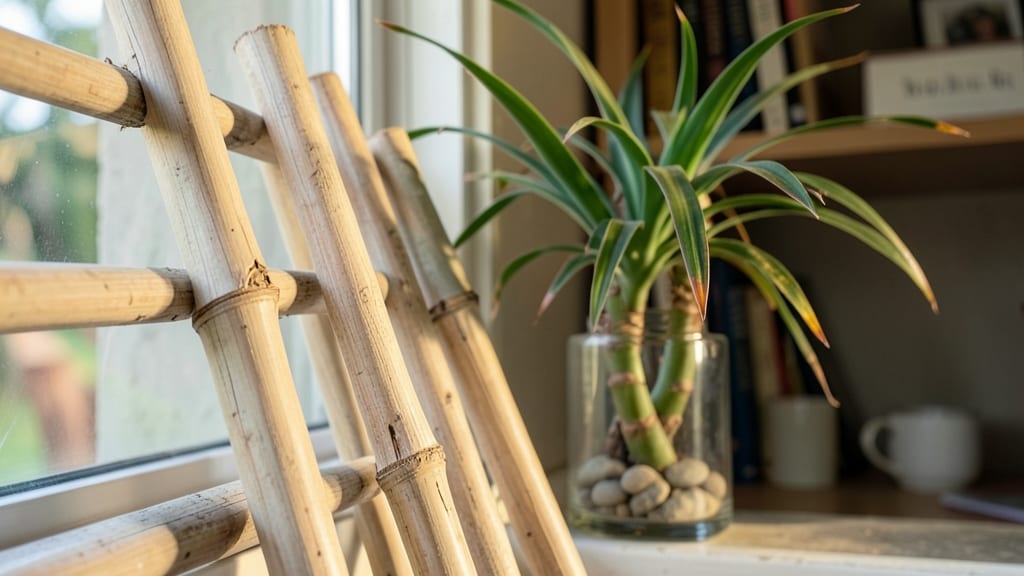
Bamboo garden trellises transformed my shady corner into a lush vertical garden where nothing goes to waste. 🌿 The way they catch morning light and frame climbing plants—like ivy or clematis—makes even a small space feel dramatic.
I used mine last year to train grapes up a 6-foot wall, and by harvest time, the vines were so heavy they nearly bent the bamboo. That’s the magic: sturdy enough for serious climbers, yet light enough to move if needed.
You don’t need fancy tools to install them—just a tape measure, a few stakes, and a drill for securing the trellis to a post or wall. Bamboo’s natural flexibility means it bends without breaking, and the hollow stems make them surprisingly lightweight for their strength.
Pair them with fast-growing climbers like morning glories for instant impact, or let them stand empty as a textural backdrop for perennials. The best part? They blend seamlessly into cottage, Japanese, or modern gardens alike.
By summer, your trellis will be a green waterfall of leaves and blooms, and in winter, the dried stems add rustic texture to bare branches. I’ve seen them last 5+ years in ground contact, though painting the bamboo first extends their life even longer.
The key is choosing the right thickness—1-inch diameter holds up to heavy vines, while thinner poles work for lighter climbers like sweet peas.
Pro tip: Angle trellises slightly toward the sun to maximize growth on one side, or lean them against fences for a casual, organic look. Whether you’re training roses, beans, or just adding height to a boring wall, these trellises turn dead space into a showstopper. Ready to grow up?
📚 In This Guide
- What you need
- Instructions
- Tips and common mistakes
- Wrapping up and next steps
What you need
- ● Bamboo poles – 8–12 poles (4–6 ft long, 1–2 inches in diameter; choose hardwood bamboo like Phyllostachys for durability).
- ● Galvanized or stainless steel screws – 20–30 screws (1.5–2 inches long, coarse thread for grip).
- ● Wooden or metal corner brackets – 4–6 brackets (for sturdy joints; L-shaped or 90-degree for extra strength).
- ● Post anchors or concrete – 4–6 anchors (for securing base poles; use rebar stakes if planting in soil).
- ● Measuring tape – 1 (16 ft or longer for precision).
- ● Drill/driver – 1 (cordless or battery-powered for ease).
- ● Level – 1 (4 ft for ensuring straight alignment).
- ● Safety gloves & goggles – 1 pair each (protection is key!).
- ● Decorative lattice panels – 1–2 panels (bamboo or wood for a polished look).
- ● Twine or jute rope – 1–2 spools (for tying climbers or adding texture).
- ● Stain or sealant – 1 can (waterproof finish to extend bamboo life).
- ● Solar-powered lights – 2–4 lights (for evening ambiance).
- ● Plant ties or clips – 10–20 pieces (soft fabric or plastic to secure vines gently).
Step-by-Step guide to building sturdy bamboo garden trellises
Here's how to create four long-lasting trellises that transform vertical space into a lush climber's paradise.
🪴 Step 1: Gather and Prepare Bamboo Poles
Select four straight, mature bamboo poles—each about 8 feet long and 1-2 inches in diameter. Look for poles with minimal knots, as these weaken the structure. I like to soak them in water for 24 hours before building to prevent cracking during assembly. This also helps remove any sap that might interfere with staining or sealing later.
Once soaked, let the poles dry completely. Lay them out on a flat surface and measure them for consistency. If any pole is shorter than 7 feet, trim it to match the shortest one. Use a hacksaw or pruning shears for clean cuts. Here's the thing—bamboo is surprisingly strong when fresh, but it weakens as it dries, so handle it gently during prep.
🌿 Step 2: Construct the Trellis Frame
For each trellis, you'll need two poles for vertical supports and two for horizontal crossbars. Cut two poles to 7 feet for verticals and two more to 3 feet for horizontals. Assemble the frame by placing the vertical poles parallel to each other, about 2 feet apart. Secure the horizontal poles at 1 foot from the top and 1 foot from the bottom using galvanized zip ties or bamboo-friendly wire.
Make sure the crossbars are level—use a small level tool to check. If you're building near a fence or wall, attach one vertical pole directly to it with sturdy outdoor screws (about 3 inches long). This ensures your trellis won't wobble in wind or when plants climb. I always test the stability by gently pushing the frame—it should hold firm without bending.
✂️ Step 3: Add Climbing Support and Finishing Touches
For extra support, wrap twine or jute string in a crisscross pattern between the vertical poles, spacing the knots about 6 inches apart. This creates a lattice for vines to grip naturally. If you're using this for heavy climbers like wisteria or clematis, add a third horizontal bar in the middle for extra strength. I like to stain the bamboo with a non-toxic outdoor sealant to protect it from moisture and UV rays—this step extends the trellis's life by years.
Once dry, position your trellis in the garden. Drive stakes into the ground on the opposite side of the attached pole to anchor it securely. For a decorative touch, weave in smaller bamboo shoots as vertical accents. Watch how quickly plants latch onto the natural texture—it's amazing how quickly vines find their way up these simple structures.
💧 Step 4: Plant and Maintain Your Climbers
Plant your chosen vine at the base of the trellis, ensuring the soil is rich in organic matter. Water deeply after planting to help roots establish. Most climbers need support within 3-4 weeks—you'll notice tendrils curling around the string or bamboo within that time. I always train the main stem along the center of the trellis first, then let side branches fill in naturally. This prevents tangled growth that can strangle stems over time.
Check the trellis structure every 2-3 months for stability, especially after heavy rains or winds. Tighten any loose ties and reapply sealant if the bamboo looks weathered. The best part? These trellises blend seamlessly into any garden—no one will ever guess how simple they were to build. Real talk: You'll be surprised how much vertical space you've been missing out on!
Tips & tricks for building sturdy bamboo garden trellises
Building bamboo trellises is easier than you think—here are the game-changing tips that'll make your project stand the test of time.
The Soaking Secret: That 24-hour soak in Step 1 isn't just about preventing cracks—it's also removing sap that could interfere with staining later. I've seen bamboo poles split during assembly when this step was skipped. Pro tip: Soak them in a tub large enough to submerge the poles completely, and change the water halfway if it gets cloudy. This ensures even moisture distribution throughout the poles.
Precision Cuts Matter: When trimming your bamboo to 7 feet for verticals in Step 1, make cuts just above a node (those little rings you see on the pole). Nodes are natural weak points, and cutting below them can cause splitting. Use a fine-tooth hacksaw for clean cuts that won't splinter. I've learned this the hard way—rough cuts can weaken the structure over time.
Frame Stability Check: In Step 2, that 2-foot spacing between vertical poles might seem generous, but it's actually ideal for most climbing plants. For extra stability, especially in windy areas, add diagonal crossbraces between the vertical poles using the same twine you'll use for the lattice. This creates a triangle shape that dramatically increases structural integrity. Test your frame by gently pushing at the top—it should barely budge.
String Spacing Strategy: Those 6-inch intervals for the crisscross string in Step 3 create the perfect grip for vines. If you're working with particularly aggressive climbers like passionflower, reduce the spacing to 4 inches for better support. For a decorative touch, you can also alternate between natural twine and colored jute string—just make sure the knots are tight enough to hold the weight of growing vines.
Pro Tips for Bamboo Garden Trellises
- Building bamboo trellises is easier than you think—here are the game-changing tips that'll make your project stand the test of time.
- The Soaking Secret: That 24-hour soak in Step 1 isn't just about preventing cracks—it's also removing sap that could interfere with staining later.
- Precision Cuts Matter: When trimming your bamboo to 7 feet for verticals in Step 1, make cuts just above a node (those little rings you see on the pole).
Frequently asked questions
Got questions about bamboo garden trellises?
Here are answers to the most common ones to help you plan with confidence!
What’s the best time of year to install a bamboo trellis?
Plant your trellis in early spring (before new growth starts) or late fall (after the first frost). This gives climbers like jasmine or clematis time to establish roots before extreme weather. Avoid installing during winter—frozen soil makes digging difficult, and tender plants may struggle.
Can I use bamboo trellises for heavy vines like wisteria or grapes?
Yes, but choose thicker bamboo poles (1.5–2 inches in diameter) and secure them with metal brackets or heavy-duty twine every 2–3 feet. Wisteria’s weight can bend flimsy trellises—opt for powder-coated steel or cedar alternatives if bamboo feels risky. Pair with sturdy posts for extra support!
How do I protect bamboo trellises from rot or pests?
Prevent rot by elevating the base (use gravel or pavers) and sealing cuts with outdoor wood sealant. For pests like termites, treat bamboo with borax solution before planting. Avoid burying trellises directly in soil—this traps moisture and invites decay. A 1-inch gap between the base and ground works wonders!
Are there eco-friendly alternatives to traditional bamboo?
Try recycled plastic trellises (durable and lightweight) or sustainably sourced cedar/redwood for a natural look. For DIYers, woven willow stakes or galvanized metal grids are great low-waste options. Just ensure alternatives match your climber’s needs—some vines prefer the flexibility of bamboo!
Do bamboo trellises need winter care?
Lightly brush off snow to prevent ice buildup, but avoid heavy pruning—wait until early spring to trim dead growth. Wrap trellises in burlap if your climate gets harsh winds. Most bamboo handles cold well, but young plants may need a mulch layer (3–4 inches) around their base for insulation.
Wrapping up and next steps
Transforming your garden with bamboo garden trellises isn’t just about aesthetics—it’s a game-changer for maximizing space, supporting climbers, and adding a touch of natural elegance. Whether you’re a seasoned gardener or just starting, these versatile structures make vertical gardening easy and rewarding. 🌿✨
Ready to elevate your garden? Start small—pick a trellis that fits your space and favorite plants, then watch your vertical garden thrive year-round. Your green oasis is just a few steps away!
- 🌱 Next step: Choose your trellis design and plants—let the climbing begin!
- 📸 Share your progress: Tag us in your garden transformations for inspiration!