
Vegetables
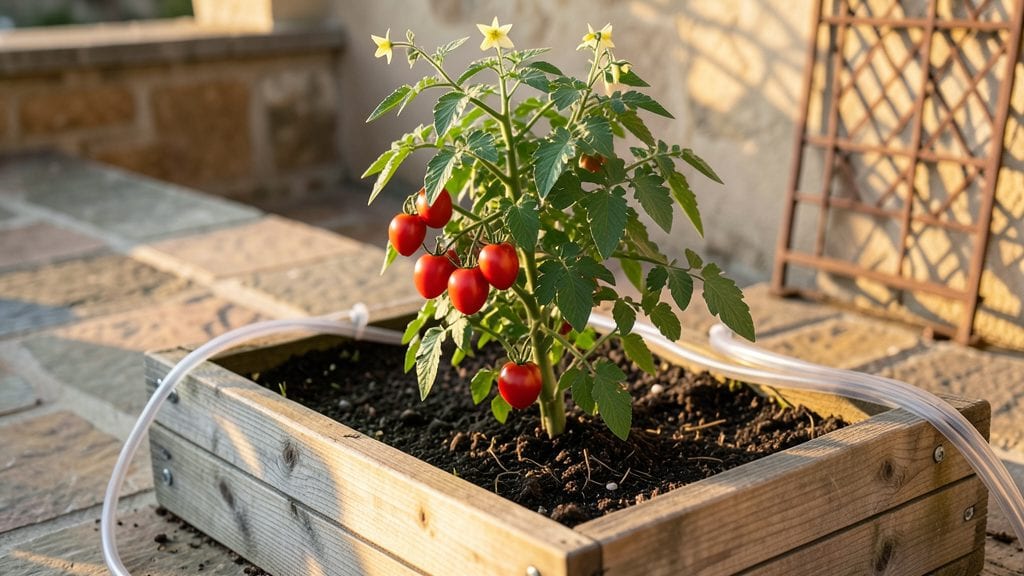
Terrace vegetable gardening turns even the smallest balcony into a harvest powerhouse when you stack plants vertically and choose the right varieties. I transformed my 10-by-12-foot deck into a year-round salad bar by mounting raised beds along the railing and using tiered planters for herbs—no wasted space, no wasted effort.
The key isn’t just squeezing plants together; it’s about working with gravity, sunlight angles, and the weight limits of your structure.
Start with lightweight containers—5-gallon fabric grow bags or cedar planters—that won’t crush your terrace while still giving roots room to spread.
Drainage holes are non-negotiable (I learned that the hard way when my first setup turned into a swamp), and a drip irrigation system keeps water from pooling on wooden surfaces.
For soil, a mix of compost and coconut coir holds moisture without weighing down the setup, and it stays fluffy enough to prevent root rot in those tight spaces.
You’ll end up with a garden that produces more per square foot than a traditional in-ground plot—think 20 pounds of tomatoes from a 4-by-4-foot bed, or enough basil to make pesto every week without buying a single bunch.
The real magic happens in late summer when vining plants like cucumbers and pole beans climb trellises mounted between terraces, turning dead air into growing space. Even in winter, cold-hardy greens like kale and spinach thrive in shallow containers near the house where they catch reflected heat.
This system works on balconies, rooftops, or even sloped yards where traditional gardening is impossible. The only limits are your creativity and how much you’re willing to stack. Let’s get those terraces growing!
📚 In This Guide
- What you need
- Instructions
- Tips and common mistakes
- Wrapping up and next steps
What you need
- ● Containers: 5–10+ pots or raised beds (12–18" deep, with drainage holes). Opt for lightweight materials like fabric grow bags, plastic, or wood.
- ● High-quality potting mix: 1–2 bags (sterile, well-draining blend with perlite or coconut coir). Avoid garden soil—it compacts!
- ● Slow-release fertilizer: 1–2 lbs (organic options like compost or fish emulsion work great).
- ● Watering can or drip irrigation: 1–2 (with a fine rose nozzle for gentle watering).
- ● Trowel & gloves: 1 each (for planting and protection).
- ○ Sunlight meter (optional but helpful): To track light exposure for picky plants.
- ● Sunlight access: At least 6+ hours of direct sun daily (south-facing terraces are ideal).
- ● Drainage plan: Ensure containers sit on a tray or elevated surface to catch runoff.
- ● Space planning: Sketch a layout—group plants by sunlight/water needs (e.g., tomatoes + basil together).
- ● Local climate knowledge: Check frost dates and heat tolerance of your chosen veggies!
- ● Self-watering system: For busy gardeners (e.g., wicking beds or smart watering apps).
- ● Trellis or cages: For vining plants like cucumbers or pole beans (1–2 per container).
- ● Mulch (straw or shredded leaves): To retain moisture and suppress weeds.
- ● Grow lights (LED full-spectrum): For low-light terraces (12–14 hours/day in winter).
- ● Compost bin: To recycle kitchen scraps into nutrient-rich food for your plants.
How to design a productive terrace vegetable garden
Here's my battle-tested approach for turning limited space into a thriving harvest.
Assess Sunlight and Wind Exposure
First, observe your terrace for at least a week to track sunlight patterns. Most vegetables need 6-8 hours of direct sun daily, so prioritize south- or west-facing areas. I mark the sunniest spots with stakes to visualize planting zones—this prevents wasted space later. Note wind exposure too; strong breezes dry out soil and stress plants, so position taller varieties like tomatoes on the windward side to act as natural barriers.
If your terrace gets only partial sun, focus on shade-tolerant crops like lettuce, spinach, or bush beans. I always keep a notebook to record which areas get how much light—this becomes your planting map. Avoid planting heat-lovers like peppers in shady corners; they’ll bolt or produce poorly. Use a simple app or even a timer to track sunlight hours if you’re unsure.
Select Containers and Raised Beds
For a 4-plant terrace setup, I recommend a mix of 5-gallon fabric grow bags (for vining plants) and 10-inch-deep wooden raised beds (for root crops). Fabric pots allow roots to breathe and prevent soil compaction, while raised beds warm up faster in spring. Place beds on casters if possible—this lets you rotate crops seasonally and move them to follow the sun.
Drill drainage holes in all containers to prevent root rot, and line raised beds with landscape fabric to block weeds. I avoid plastic pots because they retain too much moisture and can overheat in summer. Instead, I use unglazed terra cotta for herbs and cedar planters for vegetables—they’re durable and let excess water evaporate naturally. Group containers close together to create a microclimate that retains moisture and warmth.
Layer Soil for Maximum Growth
Fill containers with a 6-inch layer of coarse perlite at the bottom for drainage, then add 3 inches of compost mixed with 6 inches of high-quality potting mix. This blend ensures roots get both aeration and nutrients without becoming waterlogged. I always pre-moisten the mix before planting—dry soil repels water and creates air pockets that stunt root growth.
For raised beds, I top-dress with 1 inch of worm castings and 1 inch of straw mulch to retain moisture and suppress weeds. Avoid garden soil; it compacts in containers and can introduce pests. If your terrace gets intense afternoon sun, add a 2-inch layer of hydroponic clay pebbles on top of the soil to insulate roots and keep them cool. This simple trick extends the growing season by 2-3 weeks in hot climates.
Plant for Vertical and Horizontal Yield
Use trellises, cages, and espalier techniques to maximize vertical space. I dedicate one corner of my terrace to a 6-foot tall obelisk trellis for cucumbers and pole beans, saving 8 square feet of floor space. For horizontal growth, interplant shallow-rooted herbs like basil and chives between rows of deeper-rooted vegetables like carrots and radishes. This creates a living mulch that shades soil and reduces watering needs.
Stagger planting times for succession crops like lettuce and spinach—sow new seeds every 2 weeks to ensure a continuous harvest. I always plant fast growers (radishes, green onions) near the edges where they won’t overshadow slower crops. Avoid overcrowding; even in containers, plants compete for nutrients. A good rule is to leave 6-12 inches of space between mature plants, depending on their size.
Water and Feed Efficiently
Water deeply once every 2-3 days in summer, checking that the soil feels dry 1-2 inches down before adding more. I use a drip irrigation system on a timer to deliver water slowly at the base of plants—this prevents leaf diseases and reduces evaporation. For terrace gardens, self-watering containers are a game-changer; they keep moisture consistent without daily checks.
Feed plants with a balanced liquid fertilizer (10-10-10) every 4-6 weeks, but cut back in late summer to encourage flowering and fruiting. I also top-dress with compost tea monthly to boost microbial activity in the soil. Avoid over-fertilizing; it leads to lush foliage but fewer vegetables. Watch for yellowing leaves—this usually means overwatering or nutrient burn, not a deficiency.
Tips & tricks for perfect terrace vegetable gardening
Transforming limited terrace space into a thriving garden takes smart planning—and these battle-tested tips will help you avoid common pitfalls while maximizing every square foot.
Sunlight Strategy: In Step 1, when assessing sunlight, I recommend using a small solar-powered light sensor for just a few dollars to get precise measurements. Place it in each potential planting zone for a full day to track exactly how many hours of direct sunlight each area receives. This data helps you make confident decisions about which crops to place where, especially if your terrace has mixed light conditions. For example, if a spot only gets 4 hours of sun, reserve it for shade-tolerant greens rather than trying to grow tomatoes.
Container Material Matters: When selecting containers in Step 2, consider using recycled materials like wooden pallets or old wine barrels for raised beds—they're free and add rustic charm. For fabric grow bags, choose ones with UV protection to prevent degradation. I've found that cedar planters last significantly longer than untreated wood because they're naturally resistant to rot and insects. The key is balancing durability with breathability—containers that allow air circulation prevent root rot while still retaining moisture.
Soil Layering Hack: In Step 3, when creating your soil layers, I add a handful of beneficial nematodes to the compost layer. These microscopic organisms help control pests naturally by targeting harmful insects in the soil. For containers that dry out quickly, mix in a slow-release organic fertilizer like osmacote into the potting mix before planting—this provides nutrients throughout the growing season without the risk of over-fertilizing. The perlite layer should be slightly larger than 6 inches if you're growing deep-rooted plants like carrots or potatoes.
Vertical Space Optimization: For Step 4's vertical gardening, I recommend using a combination of freestanding trellises and wall-mounted systems. Install a PVC pipe trellis along your terrace railing for cucumbers and beans—it's lightweight, affordable, and takes up minimal floor space. For tomatoes, use tomato cages that are at least 5 feet tall to support the plants as they grow. The obelisk trellis mentioned works well for vining plants, but I've also had success with simple string trellises for lighter plants like peas and beans.
Pro Tips for Terrace Vegetable Gardening
- Transforming limited terrace space into a thriving garden takes smart planning—and these battle-tested tips will help you avoid common pitfalls while maximizing every square foot.
- Sunlight Strategy: In Step 1, when assessing sunlight, I recommend using a small solar-powered light sensor for just a few dollars to get precise measurements.
- Container Material Matters: When selecting containers in Step 2, consider using recycled materials like wooden pallets or old wine barrels for raised beds—they're free and add rustic charm.
Frequently asked questions
Got questions about terrace vegetable gardening? You’re not alone! Here are answers to the most common queries to help you grow confidently—even in small spaces.
What’s the best way to start a terrace garden with no prior experience?
Begin with easy-to-grow veggies like leafy greens (spinach, lettuce), herbs (basil, mint), or radishes—they thrive in containers and forgive beginner mistakes. Use seed starter kits or pre-grown seedlings from nurseries. Pro tip: Start small (1–2 pots) to test your setup before expanding!
When is the ideal time to plant vegetables on a terrace?
Timing depends on your climate, but most terrace gardens benefit from spring or early summer starts. For year-round harvests, stagger plantings every 2–3 weeks. In cooler regions, late summer/fall crops (kale, carrots) work well. Check your local frost dates to avoid early chills.
Can I grow root vegetables like carrots or potatoes in pots?
Yes! Opt for shallow-rooted varieties (e.g., ‘Paris Market’ carrots, ‘Yukon Gold’ potatoes) and deep containers (12+ inches for carrots, 10+ inches for potatoes). Use well-draining soil and avoid overcrowding. Troubleshoot: If roots spiral, harvest early or loosen soil gently.
How often should I water terrace plants, and how do I prevent over/under-watering?
Water when the top inch of soil feels dry (usually every 2–3 days in summer, less in winter). Use self-watering pots or drip irrigation to maintain consistency. Signs of stress: Wilting = thirsty; yellow leaves = overwatered. Mulch helps retain moisture and regulate temperature.
What’s the easiest way to keep pests away from my terrace garden?
Prevent pests with physical barriers (fine mesh for pots), companion planting (marigolds repel aphids), and organic sprays (neem oil). Inspect leaves regularly for early signs (chewed edges, holes). Quick fix: Spray plants with soapy water (1 tsp mild soap per quart of water) for soft-bodied bugs.
Can I reuse old containers or buckets for gardening?
Clean and sanitize containers with a 10% bleach solution (rinse well) to kill bacteria. Ensure they have drainage holes (drill if needed) and avoid toxic materials (e.g., treated wood). Bonus: Upcycle plastic bins, colanders, or even old boots—just scrub them thoroughly first!
Wrapping up and next steps
Terrace vegetable gardening proves that small spaces can yield big harvests—no matter your balcony, rooftop, or patio size! 🌱 With the right containers, soil mix, and a dash of creativity, you can grow fresh, flavorful veggies year-round, even in urban settings.
Whether you’re a beginner or a seasoned gardener, this method makes sustainable eating accessible and rewarding.
Ready to dive in? Start small—pick one or two easy crops (like herbs or leafy greens) and experiment with layouts. Before you know it, you’ll be savoring homegrown goodness and maybe even inspiring your neighbors to join the green revolution! 🌟