
Tools
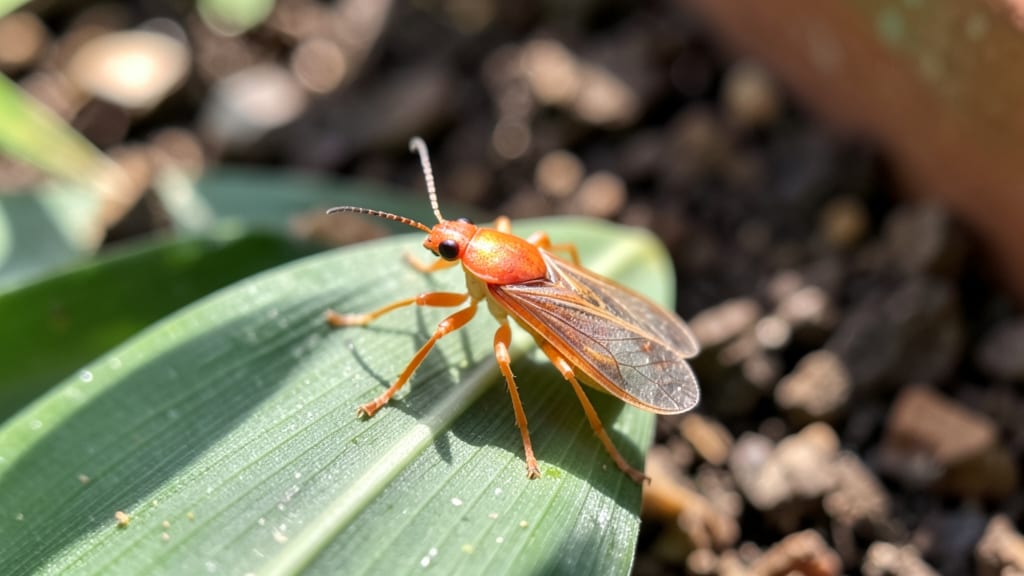
Those orange garden bugs can turn your thriving garden into a skeleton of chewed leaves overnight—until humane traps save your plants without harsh chemicals. 🌿 The key is understanding which orange bugs are harmless (like ladybugs) and which are destructive (such as squash bugs or aphids).
Most orange garden pests thrive in damp, shaded spots, so early morning inspections reveal their hideouts. A simple soap spray or neem oil mix works wonders for aphids, while squash bugs need a barrier of diatomaceous earth around vulnerable plants.
The best part? These methods protect beneficial insects while keeping your garden lush and productive.
You’ll see results within days—fewer holes in leaves, more blooms, and a balanced ecosystem. The traps I’ll share catch pests alive, so you can release them far from your garden. No more guessing what’s safe or harmful; just a clear, humane way to reclaim your plants.
Works for both container gardens and raised beds, and adapts to different climates. Let’s get those orange troublemakers under control—without the collateral damage.
What Lures These Bright Bugs
Those vibrant orange critters scurrying through your garden aren’t just a visual oddity—they’re drawn by a mix of environmental cues, plant chemistry, and even human habits. Understanding why they show up helps you outsmart them without resorting to harsh methods. Here’s the science behind their attraction:
Many orange garden bugs, like harlequin bugs or lady beetle larvae, are attracted to specific plant compounds that signal food or shelter. Here’s how it breaks down:
- Sulfur-rich plants: Cruciferous veggies (think broccoli, cabbage, or kale) produce sulfur-containing compounds like glucosinolates. These chemicals act like a dinner bell for bugs that feed on them. Harlequin bugs, for example, have a metabolic adaptation to break down these compounds—making your brassicas a buffet.
- Volatile organic compounds (VOCs): Some plants emit gases when stressed (e.g., from drought or damage). These VOCs act as chemical distress signals, drawing predators like lady beetle larvae (which are orange as juveniles). It’s nature’s way of recruiting pest control!
- Nectar and pollen: Adult lady beetles (the beneficial orange-spotted kind) are nectar lovers. If your garden lacks flowering plants, they’ll seek out nearby crops like aphid-infested roses or weedy patches for a quick snack.
Actionable fix: Interplant traps crops (like radishes or mustard greens) away from your prized veggies to divert bugs. Or, add pollinator-friendly flowers (e.g., marigolds, dill) to lure the beneficial bugs away from your salad greens.
Orange garden bugs thrive in specific weather windows. Their life cycles are tightly linked to temperature and moisture:
| Bug Type | Ideal Conditions | Why It Matters |
|---|---|---|
| Harlequin bugs | Warm, humid springs (60–80°F) with consistent rain | Moisture softens plant tissue, making it easier for them to pierce stems and suck sap. Dry spells slow their reproduction. |
| Lady beetle larvae | Cool, damp mornings (50–70°F) with aphid outbreaks | They’re cold-blooded and sluggish in heat. Aphids thrive in similar conditions, creating a food-fueled explosion of orange larvae. |
| Asian lady beetles | Mild winters + sudden warm spells | These invasive bugs hibernate in structures (like your shed) and emerge en masse when temps rise. No aphids nearby? They’ll munch on your tomatoes or peppers instead. |
Actionable fix:
- 🌡️ Monitor forecasts: If a wet spring is predicted, protect brassicas with row covers early.
- ❄️ Seal entry points: Check for cracks in siding, windows, or doors to block overwintering Asian lady beetles.
- 💦 Adjust watering: Avoid overhead irrigation in the evening—wet foliage can attract bugs and fungal diseases.
Sometimes, the way we garden directly encourages these orange invaders. Common mistakes include:
- Over-fertilizing nitrogen: Lush, soft new growth is a harvest signal for bugs like harlequin bugs. Too much nitrogen = all-you-can-eat buffet.
- Ignoring garden debris: Leaf litter, old plant stems, or weedy patches provide hiding spots for eggs and pupae. Asian lady beetles, for example, lay eggs in clusters on weeds.
- Monoculture planting: Large blocks of one crop (e.g., a whole row of broccoli) make it easier for bugs to find and stay. Diversity confuses them!
- Using broad-spectrum pesticides: These kill beneficial predators (like lacewings or parasitic wasps) first, leaving your plants defenseless against orange pests.
Actionable fix:
- 🌱 Rotate crops: Avoid planting brassicas in the same spot yearly—this disrupts bug life cycles.
- 🧹 Clean up: Remove plant debris after harvest and mulch with straw or wood chips (not leaves) to deter egg-laying.
- 🍃 Plant companion crops: Interplant onions, garlic, or herbs (like thyme) to repel harlequin bugs naturally.
By targeting these root causes—plant chemistry, weather, and human habits—you can reduce orange garden bug populations without harming your plants (or the planet). The key? Work with nature’s patterns, not against them.
Quick Fixes for Garden Pests
If you’ve spotted those bright orange invaders—whether they’re harmless but pesky or plant-munching troublemakers—don’t panic. The good news? Most garden bugs can be managed without harsh chemicals or harming your plants.
Below, we break down the most common causes of orange garden pests and the humane, effective solutions to kick them out for good.
Orange bugs (like harlequin bugs or fruit flies) are often drawn to rotting fruit, overripe tomatoes, or fallen produce. These spots become breeding grounds and buffet tables for pests.
🍳 How to Fix It:
- 🔪 Remove the Problem: Pick up and discard any fallen fruit, squashed veggies, or overripe produce immediately. If it’s too far gone for compost, toss it in the trash (not the compost bin—pests hitchhike there!).
- 🥘 Prevent Future Attractions: Harvest crops promptly, especially tomatoes, peppers, and berries. If a plant is diseased or overly ripe, remove it entirely to stop the cycle.
- 🌡️ Pro Tip: Sprinkle food-grade diatomaceous earth (DE) lightly around the base of plants. It’s non-toxic to humans but dehydrates soft-bodied bugs like fruit flies on contact.
Moist, decomposing mulch creates the perfect hideout for orange bugs like sow bugs or earwigs. Too much humidity? They’ll thrive—and multiply—underground.
🍳 How to Fix It:
- ⏰ Refresh Your Mulch: Rake away old, compacted mulch and replace it with a thin layer (2–3 inches) of fresh, dry mulch. Opt for cedar chips or straw, which repel pests naturally.
- 💡 Improve Drainage: If your garden stays soggy, add a layer of gravel or perlite beneath mulch to wick away excess moisture. Bugs hate dry conditions!
- ✨ DIY Trap: Place a shallow dish filled with beer or yeast water near problem areas. Sow bugs and earwigs are attracted to it and drown—no harm to plants.
Stressed plants (from overwatering, underwatering, or poor soil) emit signals that attract pests. Orange bugs like aphids or whiteflies target vulnerable foliage for easy meals.
🍳 How to Fix It:
- 🌱 Boost Plant Health: Water deeply but infrequently (let the top inch of soil dry out between waterings). Use a balanced fertilizer (like 10-10-10) to strengthen roots.
- 🥗 Companion Planting: Interplant with marigolds, basil, or garlic. These repel pests naturally with their strong scents.
- 🎯 Spray with Soap Solution: Mix 1 tsp mild liquid soap + 1 quart water in a spray bottle. Lightly coat leaves (avoid flowering plants) to deter soft-bodied bugs. Reapply every 3–4 days.
Orange bugs like stink bugs or boxelder bugs sneak in through gaps in fences, sheds, or even loose window screens. Once inside, they can spread to your plants.
🍳 How to Fix It:
- 🔧 Seal Entry Points: Inspect your garden shed, greenhouse, or fence for cracks. Use caulk or weatherstripping to close gaps. Pay special attention to door sweeps and vents.
- 🌡️ Install Fine Mesh: Cover vents or openings with 1/16-inch mesh to block bugs without sacrificing airflow.
- 💡 Pro Tip: Set up a sticky trap (yellow cards coated with non-toxic glue) near entry points. These catch bugs before they reach your plants.
Prevention is the best offense! By keeping your garden clean, healthy, and dry, you’ll make it a less appealing (and safer) place for orange garden pests. Try one or two of these fixes today—your plants (and your sanity) will thank you.
Frequently asked questions
Are all orange garden bugs harmful to my plants?
Not at all! Many orange bugs are actually beneficial. Lady beetles (ladybugs) and their larvae help control aphids, while parasitic wasps with orange markings prey on caterpillars. The troublemakers are usually harlequin bugs or squash bugs—look for chewed leaves or yellowing stems to spot damage.
How do I tell if orange bugs are damaging my garden?
Check for these signs: Small holes in leaves (harlequin bugs), wilted vines (squash bugs), or sticky residue (aphids). Beneficial bugs like ladybugs won’t cause visible damage—they’re too busy eating pests! If you see orange larvae clustered on undersides of leaves, they’re likely helpful predators.
What’s the fastest way to get rid of orange garden pests?
For immediate results, try a soapy water spray (1 tsp mild soap + 1 quart water) or neem oil—both work within 24 hours on soft-bodied bugs. For harlequin bugs, handpick adults and drop them in soapy water. Prevention (like row covers) stops new infestations faster than treatments.
Can orange bugs overwinter in my garden shed?
Yes! Asian lady beetles and boxelder bugs often hibernate in sheds, garages, or under eaves. Seal cracks with caulk and install 1/16-inch mesh over vents. If you already have them inside, vacuum them up (they won’t bite) or release them far from your garden in early spring.
Are there orange bugs that help my garden more than they hurt?
Lady beetles (both adults and larvae) are voracious aphid eaters. Even some orange-spotted parasitic wasps target caterpillars. To attract them, plant dill, fennel, or marigolds—these flowers provide nectar while keeping pests away from your veggies.