
Tools
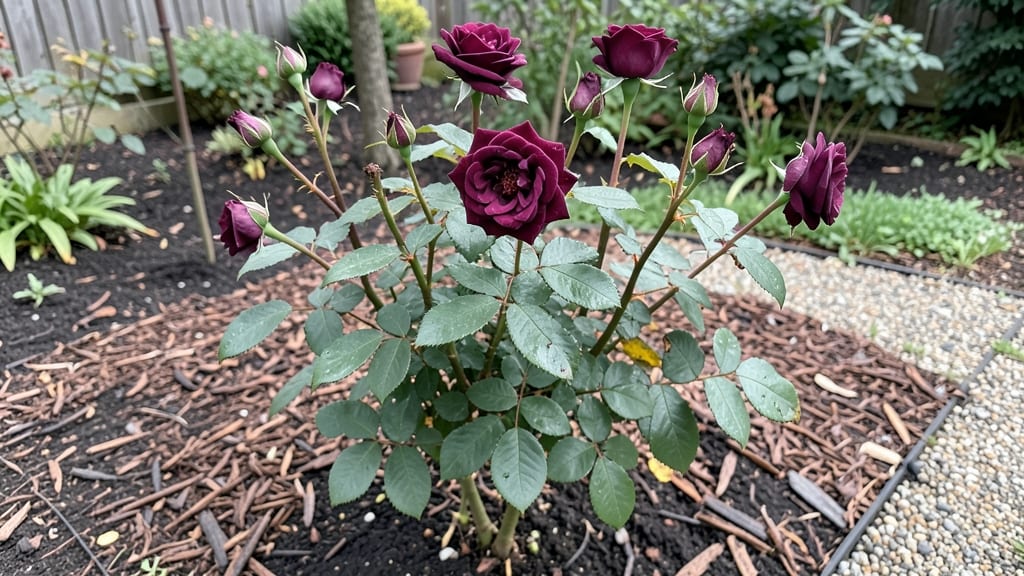
Your modern rose garden isn't just about blooms—it's a layered living tapestry that thrives year-round with intentional design. 🌿 I ditched the traditional rosebeds after realizing how much more dynamic (and low-maintenance) a structured canopy approach could be.
The secret lies in pairing roses with complementary plants that fill gaps, extend seasons, and create visual rhythm—no more barren stems between flushes of color.
Think of it like a three-act play: dramatic climbers on trellises (like 'New Dawn' roses) frame the space, mid-height shrubs (such as 'Knock Out' roses) provide structure, and ground covers (like creeping thyme or ajuga) stitch it all together.
I swapped fussy English roses for disease-resistant modern varieties that bloom in waves, so you're never stuck with a single burst of color. The result? A garden that feels effortlessly curated, not like a chore.
By summer, you'll have a lush vertical display that spills over pathways, while winter structure keeps the space interesting. The key is strategic spacing—roses need room to breathe, but their neighbors fill the void.
I'll show you how to layer plants so they support each other's growth, reduce pests, and create that "designer garden" look without the high-maintenance upkeep. Even small urban spaces can pull this off with the right plant choices.
This approach works for minimalist concrete gardens, cottagecore cottages, or sleek urban courtyards—it's all about the layers. The best part? Once established, these gardens require half the pruning and watering of traditional rosebeds. Let's design yours to stand out from the traditional rose garden crowd.
📚 In This Guide
- What you need
- Instructions
- Tips and common mistakes
- Wrapping up and next steps
What you need
- ● Rose bushes: 5–10 varieties (mix of climbers, shrubs, and ground covers). Opt for disease-resistant hybrids like Knock Out®, David Austin®, or Floribunda roses for year-round appeal.
- ● Soil amendments: 50 lbs compost (for moisture retention and nutrients)
- ● 20 lbs organic matter (e.g., coconut coir or peat moss)
- ● 1 lb slow-release fertilizer (10-10-10 or rose-specific blend)
- ● Mulch: 2–3 inches of wood chips or gravel (to suppress weeds and retain moisture).
- ● Support structures: 3–5 rose arches or obelisks (for climbers, 6–8 ft tall)
- ● 1–2 trellises (for vertical layers, 4–6 ft wide)
- ● Digging tools: 1 garden spade (for planting holes)
- ● 1 garden fork (to loosen soil)
- ● Pruning & maintenance: 1 pair bypass pruners (sharp, for clean cuts)
- ● 1 loppers (for thicker stems)
- ● 1 hand saw (for stubborn branches)
- ● Watering: 1 drip irrigation system (or 2–3 soaker hoses)
- ● 1 watering can (for hand-watering seedlings)
- ● Safety & extras: 1 pair gloves (gardening or rose-specific)
- ● 1 wheelbarrow (for hauling soil/mulch)
- ● Pest control: Neem oil or insecticidal soap (as needed)
- ● Layering plants: Add ornamental grasses (e.g., fountain grass), hydrangeas, or lavender for texture and fragrance.
- ● Lighting: Solar-powered garden lights (to highlight roses at night).
- ● Seating: A wrought-iron bench or adirondack chairs for a cozy modern touch.
- ● Seasonal accents: Winter: Evergreen shrubs (e.g., boxwood or holly)
- ● Spring/Summer: Colorful annuals (e.g., pansies or geraniums)
Step-by-Step instructions for designing a modern rose garden
Create a sleek, layered rose garden that thrives year-round with this contemporary approach.
🌿 Step 1: Plan Your Canopy Layers for Structure and Flow
Start by sketching your space with four distinct layers: the tallest climbing roses (6-10 feet) as vertical accents, standard roses (3-5 feet) for mid-height structure, shrub roses (2-3 feet) as fillers, and ground covers (1 foot or less) to tie everything together. I like to place the tallest varieties along fences or trellises where they can create natural arches or tunnels—this adds that modern, almost sculptural quality.
Use a graph paper layout to map out spacing: 3-4 feet between standard roses, 4-5 feet for climbers, and 2 feet for shrubs. This prevents overcrowding while allowing air circulation to reduce disease. For a truly modern look, group roses by color intensity rather than traditional color families—deep burgundies next to soft pinks create striking contrasts.
☀️ Step 2: Select Modern Rose Varieties for Year-Round Interest
Choose disease-resistant hybrids like 'Knock Out' roses for low-maintenance shrubs, climbing varieties such as 'New Dawn' for vertical drama, and modern floribundas like 'Julia Child' for abundant blooms. I always include spring bloomers (e.g., 'Iceberg'), summer performers (e.g., 'Double Delight'), and fall/winter interest plants (e.g., 'Winter Wonderland' for hips) to ensure color year-round.
For a contemporary edge, incorporate unusual foliage roses like 'The Fairy' (with delicate, almost fern-like leaves) or 'Gertrude Jekyll' (deep burgundy blooms with glossy foliage). These add texture and depth without overwhelming the space. Avoid traditional hybrid teas unless you're aiming for classic looks—they require more pruning and often lack the modern resilience we want.
🪴 Step 3: Prepare the Soil for Healthy, Disease-Free Growth
Test your soil first—modern roses thrive in slightly acidic to neutral pH (6.0-7.0). Amend heavy clay with 2-3 inches of compost and 1 part perlite to improve drainage, while sandy soils benefit from peat moss to retain moisture. I mix in 1 cup of bone meal per planting hole for phosphorus (critical for root development) and 1/2 cup of mycorrhizal fungi to boost nutrient uptake.
Dig holes twice as wide as the root ball but only as deep as the container height—planting too deep suffocates roots. Loosen the roots gently if they're circling, then place the rose so the graft union is 2-3 inches below soil level (this prevents it from being buried and encourages strong growth). Backfill with a 50/50 mix of native soil and compost, watering deeply to settle everything.
✂️ Step 4: Install Support Structures for a Clean, Contemporary Look
Skip the traditional wire cages—modern gardens use sleek metal arches, obelisks, or minimalist trellises in matte black or brushed aluminum for a polished look. For climbers, install supports immediately after planting so roots can anchor to them as they grow. I like freestanding arches (4-6 feet tall) placed every 6-8 feet to create a natural, undulating canopy.
For a truly modern touch, consider hidden irrigation systems like drip lines buried under mulch. This keeps watering lines invisible while delivering moisture directly to roots. Mulch with 3-4 inches of shredded bark (not dyed varieties—they can leach chemicals) to suppress weeds and retain moisture. Keep mulch 6 inches away from stems to prevent rot.
💧 Step 5: Establish a Low-Maintenance Watering and Pruning Routine
Water deeply 2-3 times per week (early morning is best) until soil is 6-8 inches moist—modern roses hate surface watering, which encourages weak growth. Use a rain gauge to track rainfall and adjust accordingly. Fertilize with a slow-release, organic rose food in early spring and mid-summer (follow package rates—overfeeding leads to floppy, disease-prone growth).
Prune once in late winter (just before buds swell) to remove dead, crossing, or inward-growing branches. Cut just above an outward-facing bud at a 45-degree angle for clean lines. For climbers, prune in early summer to encourage a second flush of blooms. I always sterilize pruners with rubbing alcohol between cuts to prevent spreading disease—this is non-negotiable for modern, low-maintenance gardens.
Tips & tricks for perfect modern rose garden design
Creating a modern rose garden isn't just about planting—it's about strategic design choices that elevate your space into something truly contemporary.
Layering for Visual Impact: In Step 1, when planning your canopy layers, consider adding one focal point climber as a dramatic centerpiece. Position it slightly off-center to create visual interest—this breaks the symmetry of traditional gardens while maintaining that modern, sculptural quality. For example, a single 'New Dawn' climber trained along a black metal arch instantly becomes the garden's statement piece.
Soil Science Matters: The soil preparation in Step 3 is where modern gardens separate from traditional ones. Don't just amend your soil—create a custom blend tailored to your roses. For heavy clay soils, I add an extra 1/2 cup of gypsum per hole to improve structure over time. For sandy soils, incorporate 1 part coconut coir to the compost mix for better moisture retention. This attention to soil science prevents the floppy, disease-prone growth that plagues many modern gardens.
Support Structures with Purpose: When installing supports in Step 4, think beyond functionality. Choose structures that complement your garden's aesthetic—matte black metal arches create a striking contrast against white roses, while brushed aluminum trellises blend seamlessly with contemporary landscapes. Pro tip: Install supports before planting if possible, so you can position them precisely during the planting process rather than wrestling with them later.
Pruning for Modern Lines: The late winter pruning in Step 5 deserves special attention for achieving that clean, contemporary look. Use a sharp bypass pruner and make cuts just above an outward-facing bud at a 45-degree angle—this creates clean lines that heal properly. For climbers, I make my cuts just above a leaf node with at least 3-5 healthy buds remaining. This technique encourages strong, upward growth that fills your support structures beautifully while maintaining that modern, uncluttered appearance.
Pro Tips for Modern Rose Garden
- Creating a modern rose garden isn't just about planting—it's about strategic design choices that elevate your space into something truly contemporary.
- Layering for Visual Impact: In Step 1, when planning your canopy layers, consider adding one focal point climber as a dramatic centerpiece.
- Soil Science Matters: The soil preparation in Step 3 is where modern gardens separate from traditional ones.
Frequently asked questions
Got questions about creating a modern rose garden? You’re not alone!
Here are answers to the most common queries to help you design a stunning, low-maintenance space that blooms year-round.
What’s the best layout for a modern rose garden?
A modern rose garden thrives on layered canopies—think tall shrubs (like Knock Out® roses) as a backdrop, mid-height climbers (e.g., Blaze® roses on trellises), and ground covers (like creeping roses) to fill gaps. This creates depth, reduces maintenance, and maximizes visual interest. Stick to odd-numbered groupings (3, 5, or 7 plants) for a natural, balanced look.
When is the ideal time to plant roses for year-round blooms?
Plant bare-root roses in late winter or early spring (before buds swell) for best root establishment. Container-grown roses can go in spring or fall, avoiding extreme heat or frost. For climbers, give them 6–8 weeks to root before pruning heavily—this ensures a stronger first flush of blooms.
Are there budget-friendly alternatives to expensive hybrid roses?
David Austin® roses (English roses) offer romantic blooms at mid-range prices, while Floribunda or Grandiflora varieties deliver volume for less. For thriftier options, try polyantha roses (compact, prolific bloomers) or old garden roses (fragrant, disease-resistant, and often heirloom). Check local nurseries for sale plants or root cuttings from established gardens!
How do I keep pests and diseases out of my modern rose garden?
Prevention is key! Start with resistant varieties (e.g., Dr. Huey® or Double Delight®). Space plants 3–4 feet apart for airflow, and mulch with wood chips to deter weeds and pests. Spray foliage with neem oil (early morning) to repel aphids, and prune dead or diseased branches immediately. Ladybugs and lacewings are your allies—invite them with native plants like dill or yarrow!
Can I mix roses with other plants in a modern design?
Yes! Pair roses with ornamental grasses (like Miscanthus), lavender (for fragrance and drought resistance), or hydrangeas (for contrasting textures). Avoid overcrowding—roses need 6+ hours of sun and well-draining soil. For a low-maintenance twist, interplant perennials (e.g., catmint or salvia) to fill gaps when roses aren’t in bloom.
Wrapping up and next steps
A modern rose garden isn’t just about beauty—it’s about intentional design that thrives year-round. By layering roses with native perennials, evergreens, and seasonal accents, you create a low-maintenance yet stunning outdoor space that evolves with the seasons.
Whether you’re a seasoned gardener or just starting, this approach makes it easier than ever to cultivate a garden that feels both timeless and fresh.
Ready to transform your space? Start small—pick one layer (like a fragrant climbing rose or a drought-tolerant shrub) and build from there. Your future garden awaits! 🌹✨