
Vegetables
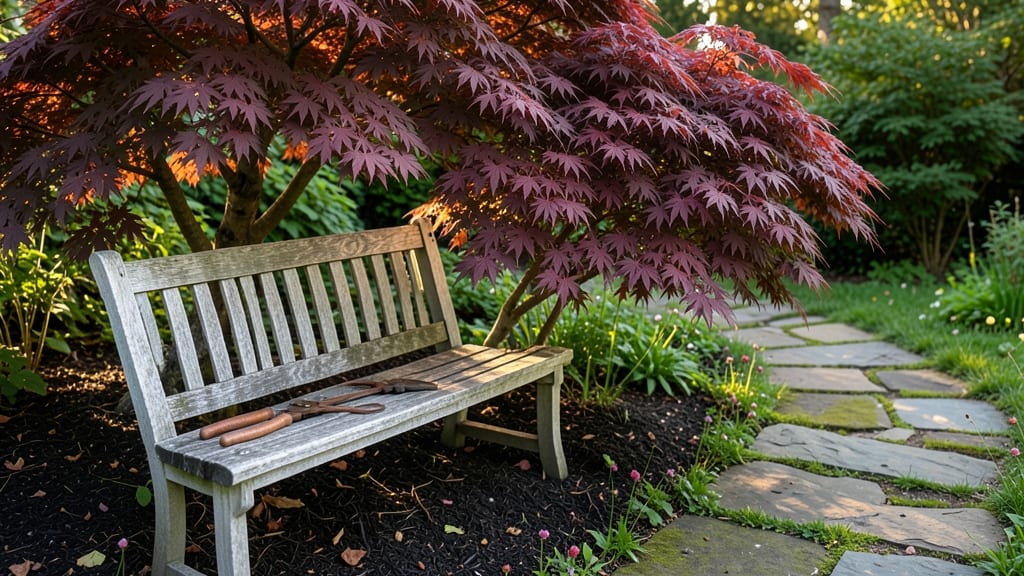
Longwood Gardens in September offers a breathtaking seasonal transformation with stunning fall foliage, rare orchid displays, and the legendary Fountain Show’s mesmerizing water performances. The crisp autumn air elevates the garden’s natural beauty, while special events like the Harvest Festival celebrate local produce and floral designs.
September at Longwood Gardens is all about the perfect blend of nature’s seasonal shifts and expertly curated displays. 🌿 The garden’s fall foliage reaches its peak, with vibrant hues of red, orange, and gold painting the landscape, while the orchid conservatory showcases rare blooms that thrive in the cooler weather.
The Fountain Show, a highlight year-round, becomes even more magical under the golden hour lighting, creating a symphony of water and color that’s unforgettable.
Beyond the main attractions, hidden trails like the Azalea Garden and Children’s Garden offer serene escapes, perfect for those seeking a quieter experience away from crowds.
💡 In This Article
- September’s Botanical Highlights at Longwood Gardens
- Top September Events and Hidden Trails to Explore
September’s botanical highlights at Longwood Gardens
September’s crisp air triggers Longwood Gardens’ most spectacular botanical transformations. The fall foliage peaks during this month as deciduous trees like sugar maples and red oaks undergo chlorophyll breakdown, revealing vibrant carotenoids and anthocyanins.
These pigments create the fiery reds and oranges that dominate the landscape—similar to how autumn leaves change in forests, but here, the garden’s 1,000+ varieties create a curated rainbow effect. The cooler temperatures (60-75°F) also slow plant metabolism, intensifying flavors and aromas in flowers and foliage.
The orchid conservatory becomes a highlight as rare species like Cymbidium and Dendrobium orchids bloom in September’s mild climate. These tropical plants thrive in the conservatory’s 70-80°F and 60-70% humidity, but the cooler outdoor temperatures create a striking contrast when displayed alongside autumn foliage.
The garden’s horticulturists strategically place orchids near water features to maintain humidity while showcasing their delicate blooms against golden leaves. 🌸
Longwood’s Fountain Show relies on precise engineering to create its dramatic displays. The system uses 360+ nozzles that spray 1,200 gallons per minute through 300-foot pipes, with water pressure controlled by variable-frequency drives to adjust flow rates.
In September, the evening lighting (LED fixtures with 10,000+ lumens) enhances the water’s sparkle, creating a refractive effect that amplifies the fountain’s visual impact. The cool air also reduces evaporation, making the mist linger longer and feel more immersive.
Seasonal lighting plays a crucial role in evening displays. The garden uses programmable LED systems that shift colors to complement the foliage—think deep amber hues near oak trees or soft blues near water features.
These lights are energy-efficient (using 90% less power than incandescent bulbs) but produce 10x brighter illumination, ensuring vibrant colors even in twilight. The lighting design also incorporates timed sequences that sync with the Fountain Show’s music, creating a multisensory experience.
Beyond the main attractions, September’s seasonal plantings include heuchera (with its velvety leaves) and Japanese anemones, which bloom in cooler weather. These plants thrive in the garden’s slightly acidic soil (pH 6.0-6.5), which enhances their deep purple and pink hues.
The combination of native and exotic species creates a layered visual effect, with textures ranging from smooth hosta leaves to spiky coneflowers. 🌿
What most visitors don’t realize is how the garden’s topography enhances the experience. The elevated terraces near the Fountain Show provide unobstructed views of the water displays, while the woodland trails wind through natural slopes, creating a dynamic walking experience.
The design mimics the natural drainage patterns of the Delaware Valley, ensuring water flows efficiently through the landscape—just like how rainwater would in a wild setting.