Vegetables
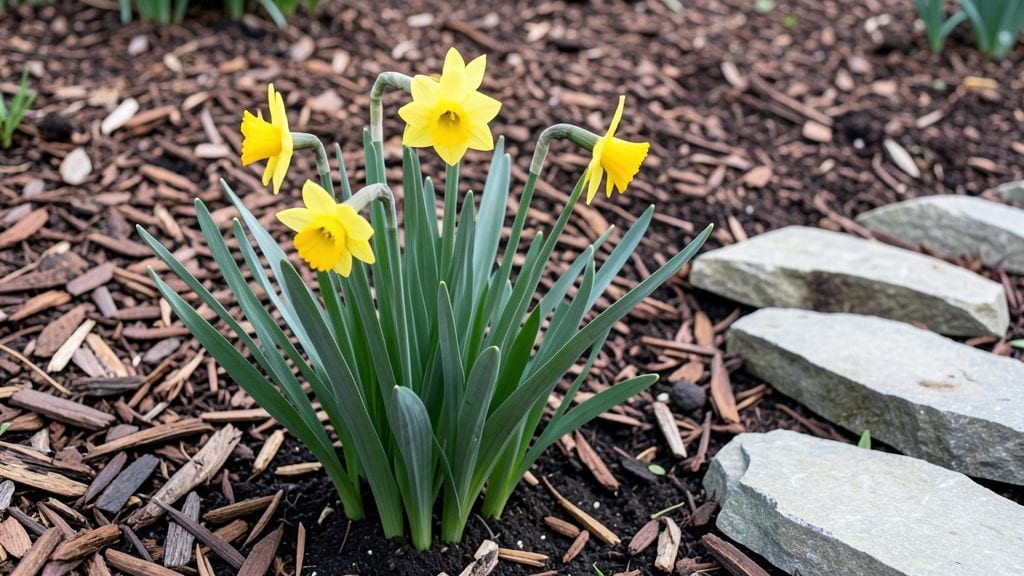
Gardens with daffodils transform dull winter yards into cheerful spring canvases before most plants even think about waking up. 🌱 I remember the first time I saw a neighbor’s front yard explode with yellow—it felt like a secret handshake from nature itself.
That’s the magic of daffodils: they’re the unsung heroes of early spring, brightening up borders, lawn edges, and even containers with almost no effort.
The best part? They play well with others. Pair them with early-blooming bulbs like crocuses or grape hyacinths for layered color, or tuck them under deciduous trees where they’ll shine before the leaves return.
For a cottage-garden look, mix in violas or pansies—they’ll bridge the gap until your perennials wake up. Even in formal gardens, daffodils soften the lines with their cheerful faces.
You’ll end up with a garden that feels alive months before summer arrives. The scent of fresh soil mixed with the crisp air of early spring, combined with those bright blooms, creates a scene that’s impossible not to love.
Plus, daffodils are tough—they naturalize over time, so you’ll have fewer bulbs to plant each year, and more color to enjoy.
Whether you’re going for a wildflower meadow vibe or a polished front-yard display, daffodils are the perfect starting point. They’re the early spring’s secret weapon, and once you see how they transform a space, you’ll want them everywhere. Let’s get planting!
📚 In This Guide
- What you need
- Instructions
- Tips and common mistakes
- Wrapping up and next steps
What you need
- ● Daffodil bulbs: Choose Narcissus varieties (e.g., 'Tête-à-Tête,' 'Ice Follies,' or 'Paperwhite'). Buy 10–50 bulbs per square foot, depending on desired density.
- ● Well-draining soil: Mix 2 parts garden soil with 1 part compost and 1 part perlite/sand to prevent rot.
- ● Garden fork or tiller: For loosening soil to a depth of 8–12 inches.
- ● Organic fertilizer (10-10-10 or bulb-specific): 1–2 tbsp per square foot mixed into the soil.
- ● Mulch (straw or shredded bark): 2–3 inches to retain moisture and regulate temperature.
- ● Hand trowel or bulb planter
- ● Measuring tape or ruler
- ○ Garden gloves (optional but recommended!)
- ● Watering can or hose with a gentle spray nozzle
- ● Daffodil companion plants: Tulips, crocuses, or hellebores for layered color.
- ● Edging tools: To create clean garden borders.
- ● Decorative stones or pebbles: For a polished look around bulbs.
- ● Slow-release bulb food: For long-term nutrition.
How to design a stunning daffodil garden for early spring color
Here's how to create a bold, low-maintenance spring display that blooms reliably year after year.
🌱 Step 1: Choose Your Planting Location
Daffodils thrive in full sun to partial shade, with at least 6 hours of sunlight daily. I always pick a spot with good drainage—these bulbs rot quickly if left sitting in soggy soil. Avoid low areas where water pools after rain. A slight slope or raised bed ensures excess moisture drains away.
Test your soil's drainage by digging a 12-inch deep hole, filling it with water, and timing how long it takes to drain. If it takes longer than 30 minutes, amend the soil with 2-3 inches of coarse sand or gravel mixed into the top 6 inches of soil. Well-draining soil prevents bulb rot and encourages strong, healthy growth.
☀️ Step 2: Prepare the Soil for Planting
Work the soil to a depth of 12 inches, breaking up any compacted layers with a garden fork. Daffodils prefer soil that's rich in organic matter but not overly fertile—too much nitrogen produces lots of leaves but few flowers. Mix in 2-3 inches of compost or well-rotted manure to improve soil structure and fertility without overfeeding.
For heavier clay soils, incorporate 1 part sand for every 3 parts soil to improve drainage. Avoid fresh manure, which can burn bulb roots. The goal is loose, crumbly soil that holds moisture without becoming waterlogged. A simple squeeze test works—if the soil clumps tightly when moist, it needs more sand or organic matter.
🌱 Step 3: Plant Bulbs at the Right Depth and Spacing
Plant daffodil bulbs in fall, 6-8 weeks before the ground freezes. Use a trowel to dig holes 2-3 times deeper than the bulb's height—typically 6-8 inches deep for standard daffodils. Space bulbs 4-6 inches apart for a dense look or 6-8 inches apart if you prefer a more open, natural style.
Place one bulb in each hole with the pointed end facing up. Cover with soil and firm gently to eliminate air pockets. Water deeply right after planting to help settle the soil around the bulbs. Mulch with 2-3 inches of straw or shredded leaves to protect bulbs from freezing temperatures and retain moisture during winter.
💧 Step 4: Maintain Through the Growing Season
Water daffodils deeply once a week during the growing season, aiming for 1 inch of water per week. Reduce watering after the foliage yellows, but don't cut it back until it turns completely brown—this ensures the bulb stores enough energy for next year's blooms. Overwatering in late summer can cause rot, so let the soil dry slightly between waterings.
Apply a low-nitrogen fertilizer in early spring as the shoots emerge, using a balanced formula like 10-10-10. Avoid high-nitrogen fertilizers, which promote leafy growth at the expense of flowers. Deadhead spent blooms by snipping off the flower stalk, but leave the foliage until it yellows naturally. This simple step keeps the garden tidy without sacrificing next year's performance.
✂️ Step 5: Divide and Multiply for Long-Term Growth
Daffodils multiply over time, and dividing clumps every 3-5 years keeps them blooming strongly. In late summer, after the foliage has died back, dig up the bulbs and separate the smaller bulbs from the center of the clump. Discard any soft or mushy bulbs—they're likely diseased or rotting.
Replant the healthy bulbs immediately in a new location or store them in a cool, dry place until fall planting. This prevents overcrowding and rejuvenates blooms. You'll see stronger, more vibrant flowers within a season or two. Dividing also gives you extra bulbs to share or plant elsewhere in your garden, expanding your daffodil display effortlessly.
Tips & tricks for perfect daffodil gardens
A few simple strategies that'll help your daffodils thrive and multiply beautifully year after year.
Drainage is Everything: In Step 1, when testing your soil's drainage, don't just check the surface—dig that 12-inch hole and fill it completely. The water should drain within 30 minutes, but if it takes longer, you're not just dealing with surface moisture issues. I've seen daffodils rot completely when planted in soil that drains well at the top but holds water deeper down. Consider adding a layer of gravel at the bottom of the planting hole if your natural drainage is poor.
Timing Secret for Fall Planting: The 6-8 week window before ground freeze in Step 3 is crucial because it gives bulbs time to establish roots before winter. I always mark my calendar for the first hard frost date, then count backward. If you're in a warmer climate where ground doesn't freeze, plant in late fall—just make sure the soil temperature stays below 60°F for at least 4 weeks after planting. This cool period triggers proper bulb dormancy.
Mulching Matters: That 2-3 inch layer of straw or leaves in Step 3 isn't just for winter protection—it's a year-round benefit. In spring, the mulch helps retain moisture while the soil warms up, giving your emerging shoots a head start. Just be careful not to pile mulch against the stems once they appear, as this can cause rot. I like to pull back the mulch slightly when shoots reach about 2 inches tall.
Fertilizer Timing Tip: When applying that low-nitrogen 10-10-10 fertilizer in Step 4, I've found the best results come from splitting the dose. Apply half when the shoots first emerge in early spring, and give the second half about 6 weeks later. This two-step approach prevents overfeeding while still giving your daffodils the nutrients they need for strong blooms without promoting excessive leaf growth.
Pro Tips for Gardens With Daffodils
- A few simple strategies that'll help your daffodils thrive and multiply beautifully year after year.
- Drainage is Everything: In Step 1, when testing your soil's drainage, don't just check the surface—dig that 12-inch hole and fill it completely.
- Timing Secret for Fall Planting: The 6-8 week window before ground freeze in Step 3 is crucial because it gives bulbs time to establish roots before winter.
Frequently asked questions
Got questions about creating a stunning daffodil garden? Here are some of the most common ones—plus expert answers to help you bloom with confidence!
When is the best time to plant daffodils for early spring blooms?
Plant daffodil bulbs in fall (6–8 weeks before the first hard frost) for spring blooms. Aim for late September to November in most U.S. zones. Cooler soil temps encourage root growth, ensuring vibrant flowers next year. Pro tip: Use a bulb planter or trowel to avoid damaging roots!
Can daffodils grow in full sun or partial shade?
Daffodils thrive in full sun (6+ hours/day) but tolerate partial shade (4–6 hours). In hot climates, afternoon shade prevents wilting. For shade gardens, choose smaller varieties like ‘Tête-à-Tête’—they adapt best. Watch out: Too much shade delays blooming!
How do I protect daffodils from pests like squirrels or deer?
Squirrels and deer love daffodil bulbs! Use chicken wire cages or plant bulbs in deep containers (12+ inches) to deter digging. Spray bulbs with hot pepper wax (mild repellent) or opt for deer-resistant varieties like ‘Ice Follies’. Bonus: Plant bulbs near daffodils’ natural predators (e.g., alliums) for extra protection.
Why aren’t my daffodils blooming this year?
No flowers? Check these fixes:
- Bulbs need sunlight: Move to sunnier spots.
- Overcrowding: Divide bulbs every 3–5 years.
- Poor soil: Amend with compost for nutrients.
- Pests/disease: Inspect for holes or mold.
What are some low-maintenance daffodil alternatives for busy gardeners?
Try these easy-care bulbs for year-round color:
Bulb
Bloom Time
Color
Crocuses
Early spring
Purple, white, yellow
Hyacinths
Late spring
Pink, blue, lavender
Alliums
Summer
Purple spheres
Wrapping up and next steps
Transforming your garden into a vibrant daffodil haven is easier than you think—and the rewards are unmatched! These cheerful blooms don’t just brighten early spring; they also attract pollinators and bring joy to your outdoor space.
Whether you’re a seasoned gardener or just starting, every patch of sunshine is an opportunity to welcome these hardy flowers.
Ready to take the next step? Start small—plant a few bulbs this fall, or sketch a layout for a full daffodil border. Your future spring garden is waiting! 🌱✨