Container Gardens
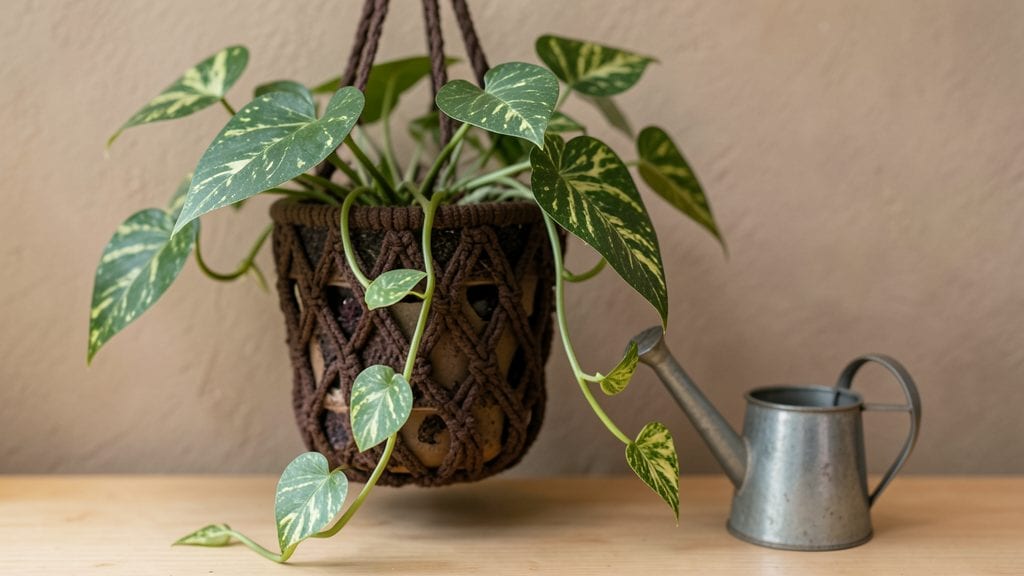
Indoor gardening activities don't require a sunny windowsill to thrive—just creativity and a few clever tricks. 🌿 I once turned a dim corner of my basement into a lush jungle using plants that love shade, and the results were shockingly vibrant.
The key isn't chasing light but choosing the right plants and containers that make even low-light spaces feel alive.
You'll need minimal supplies: small pots, well-draining soil, and a few hardy plants like pothos, snake plants, or cast iron plants that practically grow in the dark. Add some decorative stones or moss for texture, and suddenly, your space has personality—and zero light requirements.
This isn't just about survival; it's about transforming overlooked corners into thriving micro-ecosystems.
By the end of this, you'll have a corner of your home that feels like a mini forest retreat, complete with velvety leaves and earthy scents. The best part?
These plants clean the air while they grow, making your space healthier too. Think of it as a living art piece that evolves with you.
Perfect for apartments, offices, or even closets—wherever you have space, you can create something green. Let's get those pots ready and turn your indoor space into a year-round garden oasis!
📚 In This Guide
- What you need
- Instructions
- Tips and common mistakes
- Wrapping up and next steps
What you need
- ● Containers: 1–3 drainage-friendly pots (ceramic, plastic, or fabric) with holes at the bottom (6–12 inches in diameter, depending on plant size).
- ○ Optional: Self-watering planters for low-maintenance care.
- ● Growing Medium: 1 bag (1–2 cubic feet) of lightweight potting mix (avoid garden soil—it compacts!).
- ○ Optional: Perlite or vermiculite (1 cup) for aeration.
- ● Plants: 1–2 low-light-tolerant plants like pothos, snake plants, or ZZ plants (check local nurseries or online retailers).
- ○ Optional: Seedlings or microgreens for faster growth.
- ● Lighting: 1 LED grow light (10–20W, full-spectrum) or a sunlight mimic bulb for 12+ hours/day.
- ○ Optional: A south-facing window (if natural light is available).
- ● Watering & Care: 1 spray bottle (for misting) or a watering can with a narrow spout.
- ● 1 humidity tray (pebble tray + water) or a small humidifier.
- ○ Optional: Liquid fertilizer (balanced NPK 10-10-10) for nutrient boosts.
- ● A stable surface (table, shelf, or windowsill) to hold containers.
- ● Access to clean water (filtered or distilled preferred).
- ● Time commitment: 5–10 minutes daily for watering/light checks.
- ● Space: At least 12 inches of clearance around plants for airflow.
Step-by-Step indoor gardening activities for year-round greenery
Here’s how to keep your indoor garden thriving with minimal fuss—no fancy grow lights required.
🌱 Step 1: Choose Low-Light Plants for Easy Success
Start with hardy, shade-tolerant plants like pothos, snake plants, or ZZ plants—they’ll survive in dim corners while looking lush. I always check the care tags first to confirm light needs. Avoid anything labeled "full sun" unless you’re near a south-facing window.
Place your new plants in their permanent spots right away. Moving them later stresses roots and slows growth. If you’re unsure about light levels, test with a simple trick: hold your hand near the plant. If you can’t see your shadow clearly, it’s likely low-light.
💧 Step 2: Master the Watering Routine
Most indoor plants prefer their soil to dry out slightly between waterings. Stick your finger 1 inch deep into the soil—if it feels dry, it’s time to water. Overwatering is the #1 killer of indoor plants, so I always water deeply but less frequently.
Use room-temperature water to avoid shocking roots, and pour it slowly until it drains from the bottom. Empty the saucer after 10 minutes to prevent soggy roots. A spray bottle works well for mist-loving plants like ferns, but most prefer a good soak at the base.
☀️ Step 3: Boost Light Naturally Without Grow Lights
Rotate your plants every 2-4 weeks so all sides get even exposure. If leaves tilt toward the window, they’re stretching for light. Move them closer or add a sheer curtain to diffuse harsh rays without blocking growth.
For extra brightness, place reflective surfaces like mirrors or white tiles near your plants. I keep mine on a rotating bookcase—it’s unexpected decor and gives them a light boost. Even a few hours of indirect light daily keeps most greenery happy.
🌿 Step 4: Keep Leaves Dust-Free and Healthy
Dust blocks light absorption, so wipe leaves every 2-3 weeks with a damp microfiber cloth. Start at the top and work your way down to avoid disturbing the plant. For larger leaves, a gentle spray from the shower works too—just let them dry upright afterward.
Check the undersides of leaves for pests like spider mites. If you spot tiny webs or speckles, isolate the plant and treat with neem oil (mixed 1:10 with water). I always quarantine new plants for a week first to prevent hitchhiking bugs.
Tips & tricks for perfect indoor gardening
Here’s what nobody tells you about keeping your indoor plants thriving without the fuss.
Plant Selection Matters: In Step 1, when choosing your low-light plants, go for varieties with thicker leaves like snake plants or ZZ plants—they store water better and handle neglect. I’ve found that pothos grows fastest in dim corners, but snake plants are the most forgiving if you forget to water. Confession: I skipped this step for years and wondered why my ferns kept dying.
Watering Wisdom: The 10-minute rule in Step 2 is non-negotiable for preventing soggy roots. After emptying the saucer, I like to give it a quick tilt to let any lingering water drain completely. For plants like ferns that love humidity, I’ll actually leave a little water in the saucer for 15 minutes—just don’t let it sit longer than that.
Light Rotation Strategy: In Step 3, when rotating every 2-4 weeks, I’ve found a simple trick: place a small sticky note on each side of the pot. This way, you can track which sides have gotten the most light and adjust accordingly. If your plants are stretching toward the window, they’re telling you they need to move closer.
Pest Prevention: That quarantine week in Step 4 is your best defense against spider mites. I’ve had to learn this the hard way after bringing home a seemingly healthy plant that turned out to be infested. Keep a small spray bottle of diluted neem oil (1:10 ratio) ready—it’s your first line of defense if you spot any tiny webs or speckles on the undersides of leaves.
Pro Tips for Indoor Gardening Activities
- Here’s what nobody tells you about keeping your indoor plants thriving without the fuss.
- Plant Selection Matters: In Step 1, when choosing your low-light plants, go for varieties with thicker leaves like sn...
- Watering Wisdom: The 10-minute rule in Step 2 is non-negotiable for preventing soggy roots. After emptying the saucer...
Frequently asked questions
Got questions about indoor gardening? You’re not alone!
Here are answers to the most common queries to help you grow with confidence—even in low-light spaces.
Can I grow plants indoors without natural sunlight?
Many plants thrive under artificial grow lights (like LED or fluorescent bulbs) or in bright, indirect spots near windows. Leafy greens (e.g., spinach, kale) and herbs (basil, mint) are great starters. For zero-light setups, opt for low-light varieties like pothos or snake plants.
How often should I water my indoor plants?
Watering depends on the plant and environment, but a general rule is to check soil moisture 1 inch below the surface—if it’s dry, it’s time! Overwatering is riskier than underwatering, so stick your finger in the soil before grabbing the watering can. Most indoor plants prefer moderate moisture (not soggy!).
What’s the easiest first plant for beginners?
Start with hardy, forgiving plants like:
- Snake Plant – Thrives in low light, drought-tolerant.
- Pothos – Fast-growing, purifies air, and recovers from neglect.
- ZZ Plant – Nearly indestructible; survives in dim corners.
What if my indoor plants aren’t growing?
Slow growth usually stems from light, water, or nutrients. Troubleshoot with this quick checklist:
- Light: Move closer to a window or upgrade to a grow light.
- Water: Ensure soil drains well (no soggy roots!).
- Nutrients: Fertilize lightly every 4–6 weeks with a balanced liquid fertilizer.
- Temperature: Keep plants away from drafts or heaters (ideal: 65–75°F).
Can I use regular household items as planters?
Yes! Get creative with clean, breathable containers like:
- Mason jars (for herbs or succulents).
- Teacups or bowls (ensure drainage holes!).
- Upcycled tin cans (line with plastic for moisture control).
Wrapping up and next steps
Indoor gardening is your ticket to year-round greenery and freshness—no sunlight required! Whether you’re a beginner or a seasoned plant parent, these zero-light activities prove that any space can thrive with the right tools and creativity.
Start small, experiment fearlessly, and watch your indoor oasis grow into a vibrant, low-maintenance haven.
Ready to dive in? Pick one activity today—whether it’s hydroponic herbs, moss terrariums, or air plants—and let your green thumb shine! 🌱✨