
Pruning
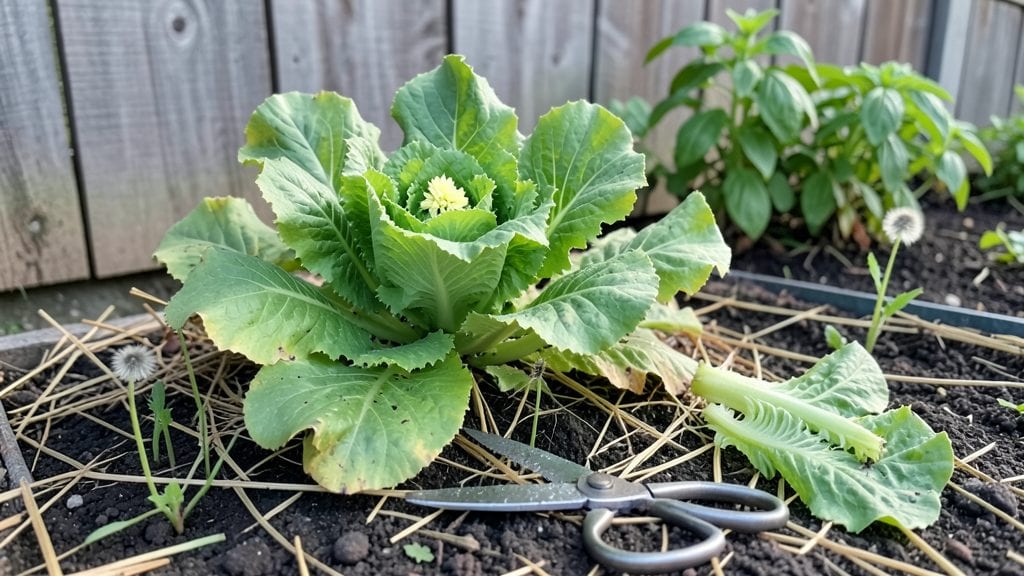
Trimming lettuce from your garden turns a single plant into a never-ending salad bowl. ✨ The right cuts keep your plants producing crisp, tender leaves for months instead of bolting after one harvest.
I learned this the hard way—my first lettuce plants went from salad-worthy to bitter stems in two weeks because I didn’t know how to trim properly.
You only need clean, sharp scissors (or a knife) and about 10 minutes to harvest outer leaves without damaging the center. The key is cutting just above the next set of leaves, leaving the base intact—this is what encourages regrowth.
Most gardeners mess up by cutting too close to the stem or pulling leaves, which stresses the plant and stops new growth.
With the right technique, you’ll harvest 3-4 times from one plant, enjoying fresh greens all season. The first cut yields the most tender leaves, but each subsequent harvest gets slightly tougher—so keep trimming regularly.
Your lettuce will stay vibrant green, not leggy or bitter, and you’ll avoid the disappointment of wasted plants.
This method works for all lettuce types—romaine, butterhead, loose-leaf—whether you’re growing in garden beds, containers, or even windowsill pots. The only real mistake is cutting too much at once, so start small and watch your plants respond. Once you master it, you’ll never buy lettuce again.
📚 In This Guide
- What you need
- Instructions
- Tips and common mistakes
- Wrapping up and next steps
What you need
- ● Sharp pruning shears or garden scissors: Choose a pair with stainless steel blades (4-6 inches long) for clean cuts. A bypass-style tool (like Felco or Fiskars) is ideal for precision.
- ● Clean, sharp kitchen knife or lettuce trimmer: A serrated or straight-edged knife (3-4 inches) works for smaller batches.
- ○ Gloves (optional but recommended): Lightweight, nitrile-coated gloves protect hands from dirt and thorns (e.g., Gloves USA or Tough Outdoors brands).
- ● Bucket or shallow container: A 5-gallon bucket with a lid (to store trimmed lettuce) or a plastic tub (for rinsing).
- ● Spray bottle with water: A 16-ounce spray bottle helps keep leaves hydrated while trimming.
- ○ Disinfectant solution (optional): Mix 1 part bleach to 9 parts water to sanitize tools between uses.
- ● Mature lettuce plants: Wait until heads are firm but not overly large (typically 30-60 days after transplanting, depending on variety).
- ● Sunny, dry conditions: Trim in the morning (after dew dries) for cleaner cuts and to avoid fungal risks.
- ● Clear workspace: Lay down a tarp or newspaper to catch debris and make cleanup easy.
Step-by-Step guide to trimming garden lettuce
Here's how to keep your lettuce thriving while harvesting fresh leaves all season long.
✂️ Step 1: Choose the Right Tools for Clean Cuts
Use a pair of sharp, clean scissors or pruning shears for harvesting. Dull tools crush stems and invite rot, while dirty blades spread disease. I like to wipe mine with rubbing alcohol between uses—it keeps them sterile and ready for the next cut. Avoid using your fingers or kitchen scissors; you'll get uneven cuts and may accidentally damage the plant.
The best time to trim is in the morning after the dew has dried but before the heat of the day. Lettuce holds moisture overnight, so harvesting then gives you crisp, fresh leaves. If you must harvest later, wait until the afternoon when temperatures drop below 75°F to prevent wilting.
✂️ Step 2: Identify and Trim Outer Leaves First
Start by removing the largest, most mature outer leaves first. These are ready to eat and won't regrow, so cutting them encourages the inner, younger leaves to grow bigger and tastier. Hold the leaf gently and make a clean cut about ½ inch above the next set of leaves—this prevents damaging the growing point at the base.
Watch for leaves that look yellowed or wilted; these are past their prime and should be harvested immediately. If you see brown spots or holes, remove those leaves entirely to prevent the issue from spreading. I promise, your lettuce will thank you with fresh, vibrant growth within a few days.
✂️ Step 3: Cut at the Right Angle for Continued Growth
Make your cuts at a 45-degree angle just above a leaf node. This ensures water runs off the cut stem instead of pooling and causing rot. If you cut straight across, moisture collects and weakens the plant. For loose-leaf varieties, you can keep harvesting individual leaves as they mature—no need to wait for the whole head.
For romaine or head lettuce, cut the entire head about 1 inch above the soil when it's fully mature. Leave the base intact, and new leaves will sprout from the center. This method gives you 4-6 harvests per plant over the season—way more than buying store-bought lettuce!
💧 Step 4: Water and Fertilize After Trimming
After harvesting, give your lettuce a deep drink of water to replenish what you've removed. Lettuce has shallow roots, so watering to a depth of 1-2 inches keeps them happy. I like to use a gentle stream from a watering can to avoid disturbing the soil too much—lettuce roots are delicate.
Add a light dose of balanced fertilizer (like a 10-10-10 mix) every 2-3 weeks after trimming to encourage new growth. Too much fertilizer can make leaves bitter, so stick to the recommended amount. If your lettuce starts bolting (sending up a flower stalk), it’s time to harvest the whole plant—bolting means the flavor turns tough and bitter.
☀️ Step 5: Monitor Light and Space for Ongoing Growth
Lettuce thrives in partial shade, especially in hot climates. If your plants start looking leggy or pale, they need more shade. Move them to a spot with 4-6 hours of morning sun and afternoon shade. Too much direct sun causes lettuce to bolt quickly, especially in warm weather.
Thin out crowded plants by removing the smallest or weakest ones at the base. This gives the remaining lettuce more room to grow and reduces competition for nutrients. With proper trimming and care, your lettuce will keep producing fresh leaves for 8-10 weeks—far longer than what you’d find in a grocery store.
Tips & tricks for perfect garden lettuce trimming
A few key tricks will help you maximize your harvest while keeping your lettuce thriving for weeks to come.
The Tool Factor: Invest in a pair of sharp garden scissors specifically for harvesting—these are designed to cut cleanly without crushing stems. I keep mine in a small bucket of water with a drop of dish soap after each use; this prevents rust and keeps them ready for the next harvest. Avoid kitchen scissors or knives, which can tear leaves and introduce bacteria.
Timing Secret: That 75°F temperature guideline isn't just about avoiding wilting—it's also about preventing heat stress on your plants. I've found that harvesting in the early morning gives me the crispest leaves, but if you must go later, wait until the afternoon when temps drop below 75°F. The cooler temperatures help maintain moisture in the leaves after cutting.
Cutting Angle Insight: The 45-degree angle in Step 3 might seem small, but it makes a huge difference in preventing rot. When you cut at this angle, water runs off the stem instead of pooling at the cut site. For loose-leaf varieties, I like to make my cuts just above where new leaves are forming—this encourages bushier growth. Think of it like giving your plant a little haircut that stimulates new growth.
Growth Hack: After trimming, give your lettuce a quick inspection for any remaining damaged leaves or yellowing spots. These can harbor pests or diseases that might spread to your healthy plants. I've noticed that removing just a few problematic leaves can actually speed up recovery time for the rest of the plant—it's like giving your lettuce a fresh start.
Pro Tips for Trim Lettuce From Garden
- A few key tricks will help you maximize your harvest while keeping your lettuce thriving for weeks to come.
- The Tool Factor: Invest in a pair of sharp garden scissors specifically for harvesting—these are designed to cut cleanly without crushing stems.
- Timing Secret: That 75°F temperature guideline isn't just about avoiding wilting—it's also about preventing heat stress on your plants.
Frequently asked questions
Got questions about trimming your garden lettuce like a pro? You’re not alone! Here are answers to the most common queries to help you harvest with confidence and keep your greens thriving.
How often should I trim lettuce for continuous harvests?
Trim leaf lettuce every 1–2 weeks by harvesting outer leaves, leaving the inner core intact. For head lettuce, cut the entire head just above the soil when mature (about 6–8 weeks). This encourages regrowth in loose-leaf varieties and ensures a steady supply!
Can I use regular scissors or should I invest in pruning shears?
Both work, but clean, sharp scissors (or pruners) are ideal—they make precise cuts and reduce damage. Avoid dull tools, which can crush stems and invite pests. A small pair of garden scissors (around $10–$15) is a budget-friendly upgrade!
What’s the best time of day to trim lettuce?
Trim in the early morning when leaves are crisp and hydrated. Avoid midday heat, which can stress plants and cause wilting. If you must harvest later, trim leaves and store them in a cool, shaded spot until use.
Why does my lettuce bolt (go to seed) after trimming?
Bolting happens when lettuce senses heat or drought stress. To prevent it:
- Trim only outer leaves to avoid shocking the plant.
- Use shade cloth (30–50%) in hot climates.
- Water deeply at the base daily during dry spells.
- Choose heat-tolerant varieties like Romaine or Buttercrunch.
Can I regrow lettuce from store-bought heads?
Yes! Rinse the head, trim the base to expose roots, and place it in 1 inch of water in a shallow container. Keep it in indirect light, change the water every 2 days, and watch for regrowth in 1–2 weeks. Works best with Romaine or Iceberg.
Wrapping up and next steps
Trimming your garden lettuce is a simple yet rewarding task that keeps your plants healthy and ensures a steady supply of fresh, crisp leaves! 🌱 With the right tools—like sharp scissors or pruning shears—and a few key techniques, you’ll master the art of harvesting in no time.
Remember, consistency is key: regular trims encourage bushier growth, while proper spacing prevents overcrowding.
Now that you’re equipped with the know-how, grab those shears and get trimming! 🌿 For even better results, experiment with companion planting or try growing different lettuce varieties. Happy gardening—and enjoy those homegrown salads! 🥗